
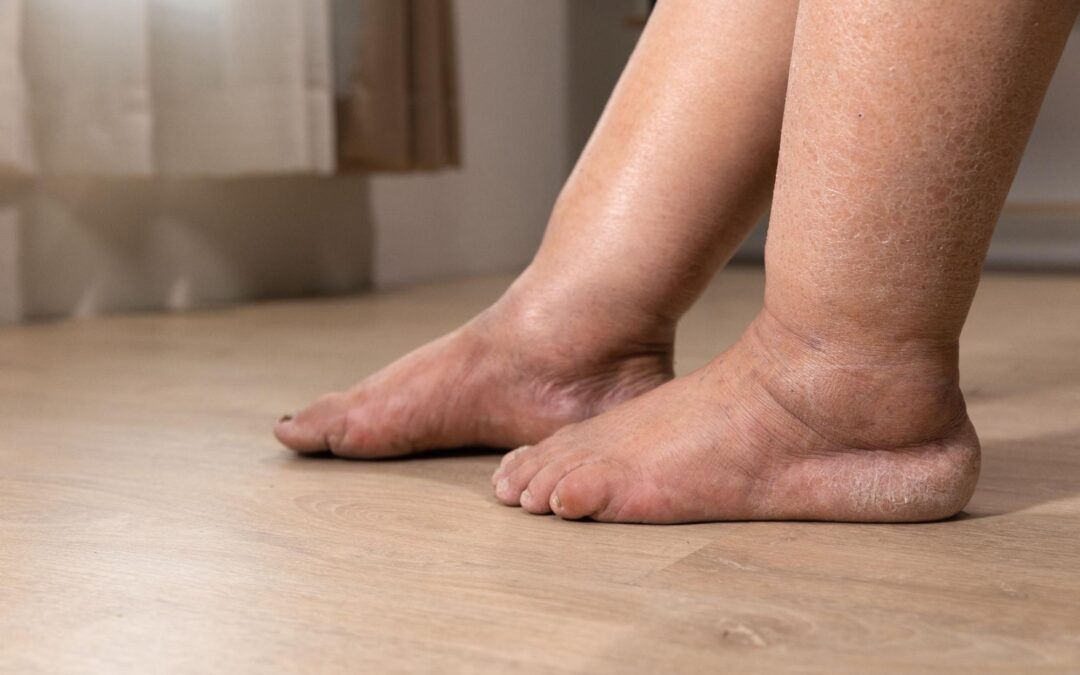
Lymphedema is swelling that develops when lymph fluid can’t drain properly, usually after lymph nodes are removed or treated during cancer surgery. It can’t always be fully prevented, but the risk drops considerably with the right care, protecting the limb, staying active and catching swelling early. So while you can’t guarantee avoiding it, you have real influence over how likely it is and how mild it stays.
According to Prof. Dr. Sandeep Nayak, Surgical Oncologist in India, “I tell patients they can’t always prevent lymphedema outright, but how they look after the limb genuinely shifts the odds, and spotting it early matters more than almost anything else.”
Want to lower your lymphedema risk?
What Exactly Is Lymphedema?
Understanding the mechanism makes both the risk and the prevention clearer. Here’s what it involves.
- Disrupted drainage: When lymph nodes are removed or treated, the fluid they normally drain has nowhere to go, so it gathers in the limb and causes swelling.
- Often delayed: It can develop months or even years after surgery, not just immediately, which is why ongoing awareness matters so much.
- Heaviness and tightness: Beyond visible swelling, the limb often feels heavy, tight or full, and these early sensations are worth noticing.
- Manageable, not curable: Lymphedema can be lifelong once it appears, but it’s very controllable, especially when treatment starts early.
So lymphedema is a drainage problem, not a sign the cancer is back. For context on the surgery it often follows, our blog on breast cancer surgery explains what’s involved.
How Can You Lower the Risk?
Prevention isn’t guaranteed, but sensible steps genuinely reduce the odds. These are the ones that help most.
- Protect the limb: Avoid cuts, burns and tight clothing on the affected side, since even minor injuries can trigger or worsen swelling.
- Keep moving: Gentle, regular exercise helps lymph fluid drain and keeps the limb working well, so staying active is genuinely protective.
- Watch for early signs: Report any heaviness, tightness or mild swelling promptly, because early treatment is far more effective than late.
- Maintain healthy weight: Excess weight adds strain on an already compromised drainage system, so a healthy weight lowers the overall risk.
So you have more control than it first seems. For patients whose care involves surgery, robotic cancer surgery and precise node techniques aim to reduce this risk from the outset.
Why Choose Dr. Sandeep Nayak for Your Cancer Care?
Dr. Sandeep Nayak brings 24 years of surgical oncology experience, DNB qualifications in Surgical Oncology and General Surgery and a fellowship in Laparoscopic and Robotic Onco-Surgery to surgery across all cancer types. He uses precise node techniques to limit lymphedema risk and makes sure patients leave knowing exactly how to protect themselves afterward.
That combination of careful surgery and clear guidance is what keeps the risk as low as possible. Every case at MACS Clinic goes through a full tumour board, where the surgical and recovery plan is set before anything begins. Call +91 8104310753 to book your consultation.
Frequently Asked Questions
What is lymphedema?
Swelling from lymph fluid build-up when lymph drainage is disrupted.
Can lymphedema be fully prevented?
Not always, but the risk can be lowered considerably with care.
How can I reduce my risk?
Protect the limb, stay active, and watch for early swelling.
Is lymphedema permanent?
It can be lifelong, but is well controlled with early treatment.
References:
- National Cancer Institute — Lymphedema. https://www.cancer.gov/
- World Health Organisation — Cancer. https://www.who.int/news-room/fact-sheets/detail/cancer
