
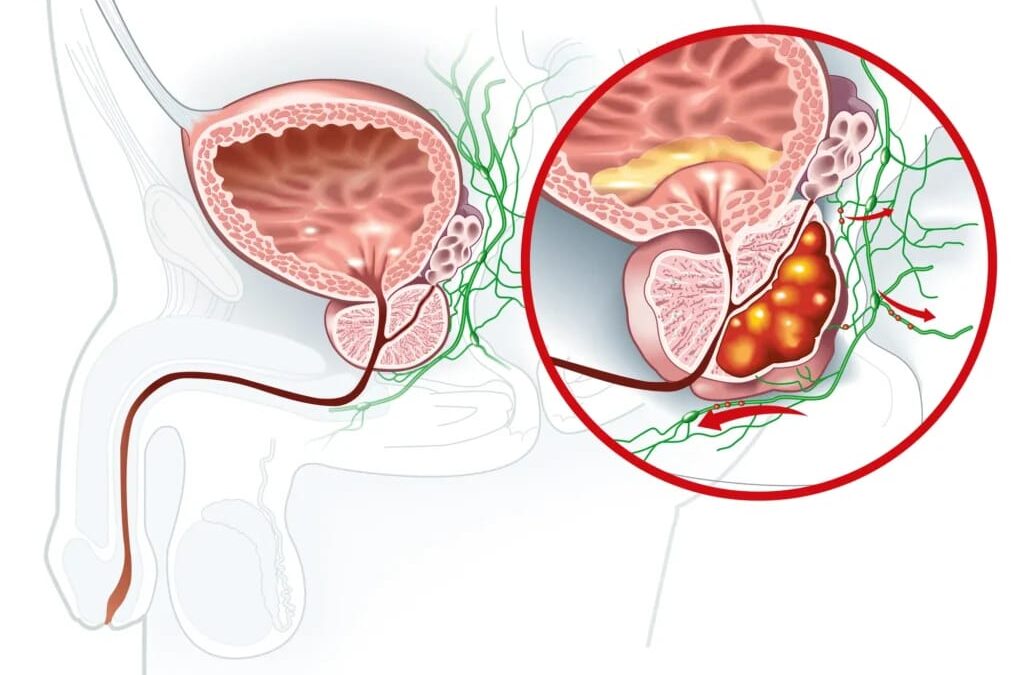
Robotic prostatectomy is the surgical removal of the entire prostate gland and seminal vesicles, performed through several small incisions using a robotic system rather than a large open cut. The surgeon operates from a console with a magnified three dimensional view and wristed instruments, which support nerve sparing technique to protect erectile function and precise reconstruction to preserve urinary continence. Compared with open surgery, recovery is typically faster, with comparable cancer control.
According to Dr. Sandeep Nayak, Surgical Oncologist in India, “Robotic prostatectomy has become my standard approach for localised prostate cancer, and the reason is precision. The three dimensional view lets me see the nerves running alongside the prostate clearly, and the wristed instruments let me work around them carefully rather than sacrificing them by default. That combination is what makes genuine nerve sparing possible in appropriate cases, alongside a careful reconstruction that protects continence. Removing the cancer completely remains the priority throughout.”
Considering surgery for localised prostate cancer?
How Is Robotic Prostatectomy Performed?
The procedure follows a defined sequence, built around precision at every step.
- Small incisions : Several keyhole incisions replace the large open cut of traditional surgery, through which the robotic instruments are introduced.
- Console operation : The surgeon controls robotic arms from a console, with every movement translated in real time with enhanced precision and stability.
- Complete removal : The entire prostate gland and seminal vesicles are removed, along with pelvic lymph nodes where indicated by risk assessment.
- Reconstruction : The bladder is reconnected to the urethra with careful technique, a step that directly affects how quickly continence returns.
This precision is the foundation of modern prostate cancer treatment, where the surgical approach shapes both cancer control and quality of life afterward.
What Makes Nerve Sparing Possible?
Nerve sparing is one of the more technically demanding aspects of this surgery, and it depends on precision.
- Delicate nerve bundles : Nerves affecting erectile function run directly alongside the prostate, close enough that imprecise dissection can damage them unintentionally.
- Magnified vision helps : The three dimensional, magnified view allows the surgeon to identify and work around these nerves more clearly than the naked eye during open surgery.
- Not always appropriate : Nerve sparing is only pursued when oncologically safe, more aggressive or extensive disease may require wider removal instead.
- A balance, not a guarantee : Even with nerve sparing, function recovery varies between patients and takes time to become apparent.
Understanding when nerve sparing applies builds on the broader picture in our guide to prostate cancer diagnosis, where accurate staging determines the surgical plan.
Why Choose Dr. Sandeep Nayak for Robotic Prostatectomy?
Dr. Sandeep Nayak is a surgical oncologist with 24 years of experience and a fellowship in laparoscopic and robotic onco-surgery. He performs robotic prostatectomy with attention to both cancer control and quality of life, applying nerve sparing technique where oncologically appropriate and prioritising careful reconstruction for continence. This means treating the operation as more than tumour removal alone, since how the surgery is performed shapes recovery meaningfully.
Robotic prostatectomy rewards precision at every stage, from identifying nerve bundles to reconstructing the urinary tract. A surgeon who understands both the cancer and the functional consequences of the operation makes decisions that protect both outcomes simultaneously, rather than treating one as secondary. That balance, cancer removed completely while function is preserved wherever appropriate, is what defines skilled prostate cancer surgery.
Frequently Asked Questions
What is robotic prostatectomy?
Removal of the entire prostate gland using a robotic system through small incisions.
What does nerve sparing mean in this surgery?
Preserving nerves along the prostate that affect erectile function where possible.
How does it compare to open surgery?
Less blood loss, shorter hospital stay and faster recovery, with comparable cancer control.
Who is it suitable for?
Men with localised prostate cancer confined to the prostate gland.
References
- Outcomes of robot-assisted radical prostatectomy – National Library of Medicine
- Nerve sparing technique and functional recovery in prostatectomy – National Library of Medicine
Disclaimer: This blog is for informational and educational purposes only and is not a substitute for professional medical advice or diagnosis.
