
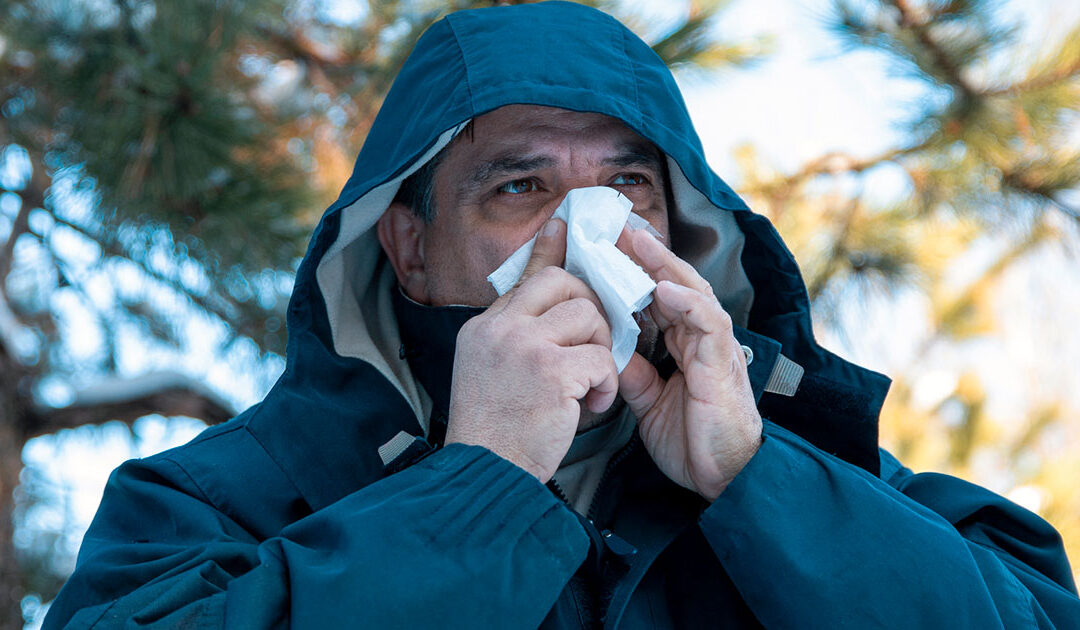
Feeling cold during chemo is usually down to anaemia. Chemotherapy lowers your red blood cells, and with fewer of them carrying oxygen and warmth around the body, you feel cold even when everyone else is comfortable. Weight loss, a slower metabolism and the body pouring its energy into recovery all add to it. It’s a common, manageable side effect, but worth flagging to your team so they can check your blood counts.
According to Prof. Dr. Sandeep Nayak, Surgical Oncologist in India, “When patients tell me they’re cold all the time on chemo, the first thing I think of is their haemoglobin, because anaemia is usually the real reason, and it’s something we can actually measure and treat.”
Feeling cold constantly through treatment?
Why Does Chemo Make You Feel Cold?
The cold feeling traces back to a few real, physical things chemo does to the body. Here’s what’s behind it.
- Anaemia from chemo: Chemo knocks down your red blood cells, and since those cells carry oxygen and warmth around, having fewer of them leaves you feeling cold for no obvious reason.
- A slower metabolism: Treatment and weight loss tend to slow the body’s engine down, and a slower engine simply puts out less of the steady inner heat you’d normally barely notice.
- Energy going to healing: Your body pours its reserves into getting through treatment, so there’s often less left over for the everyday job of keeping you warm.
- Eating less, weighing less: Smaller appetite and dropping weight strip away the fat and fuel that usually insulate you, so the cold gets in far more easily.
So the cold is the body reacting to chemo, not something strange or rare. Since anaemia is so often behind it, getting to grips with your blood report makes sense of why it keeps happening.
How Can You Stay Warmer During Chemo?
Staying comfortable usually comes down to a handful of small habits, not anything drastic. These are the ones worth trying.
- Layer up: A few thin layers hold warmth far better than one thick jumper, and they let you add or peel off easily as your body shifts through the day.
- Keep gently moving: Even a short, slow walk gets the blood flowing and warms you from the inside, which sitting wrapped in a blanket never quite manages on its own.
- Warm food and drinks: Regular hot meals and drinks lift your core temperature from within, and they nudge your appetite and energy back up at the same time.
- Tell your team: Mention it at your next visit, because a quick check of your blood counts may turn up treatable anaemia sitting quietly behind the whole thing.
So staying warm is mostly small, practical moves. For patients whose wider care involves surgery, robotic cancer surgery is one part of a treatment plan built around comfort and recovery.
Why Choose Dr. Sandeep Nayak for Your Cancer Treatment?
Dr. Sandeep Nayak brings 24 years of surgical oncology experience, DNB qualifications in Surgical Oncology and General Surgery and a fellowship in Laparoscopic and Robotic Onco-Surgery to the care of patients through every stage of treatment. He treats side effects like feeling cold as real signals worth checking, often a sign of anaemia, rather than something patients should simply put up with.
That attentiveness is what keeps treatment as comfortable as it can be. Every case at MACS Clinic goes through a full tumour board, where the whole treatment and supportive-care plan is set together. Call +91 8104310753 to book your consultation.
Frequently Asked Questions
Why do I feel cold during chemo?
Often due to anaemia, as chemo lowers red blood cells.
Is feeling cold during chemo normal?
Yes, it is a common and usually manageable side effect.
How can I stay warmer?
Layer clothing, keep moving gently and have warm drinks.
When should I tell my doctor?
Tell them if cold comes with fever, dizziness or extreme tiredness.
References:
- National Cancer Institute — Chemotherapy Side Effects. https://www.cancer.gov/
- World Health Organisation — Cancer. https://www.who.int/news-room/fact-sheets/detail/cancer
