
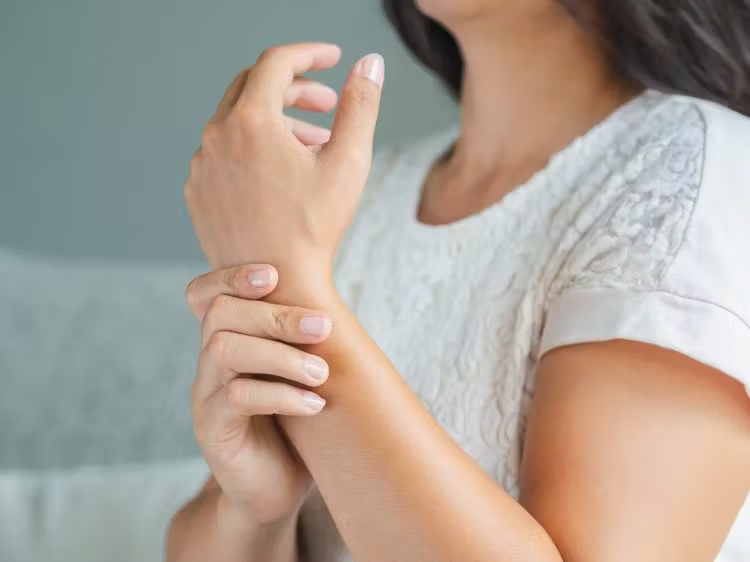
Some swelling, or edema, is a natural part of healing as fluid rushes to the surgery site. The causes range from normal tissue inflammation in the early days to lymphatic disruption after node removal, or, less often, a blood clot. Mild swelling that settles is expected, but swelling that is persistent, worsening or severe needs medical evaluation. The cause decides whether it’s routine or something to act on.
According to Prof. Dr. Sandeep Nayak, Surgical Oncologist in India, “Early swelling is usually just healing, but the swelling I want patients to flag is the kind that keeps growing or appears weeks later, because that points to lymphatic disruption or a clot, not normal recovery.”
Noticed swelling or heaviness in your arm?
Why Does the Arm Swell After Surgery?
Swelling can come from a few different sources, some routine and some not. These are the main causes.
- Normal inflammation: In the first days, fluid naturally rushes to the surgical site as part of healing, causing mild swelling that settles on its own.
- Lymphatic disruption: When lymph nodes are removed or treated, the arm’s drainage is interrupted, so fluid collects as lymphedema, often appearing later.
- Radiation effect: Radiotherapy can scar the lymph vessels and narrow drainage routes, which adds to swelling that builds gradually over time.
- A blood clot: Less commonly, swelling with pain or warmth can signal a clot, which is urgent and needs immediate medical assessment.
So the cause is what separates routine from serious. For context on the operation it often follows, our blog on breast cancer surgery explains what’s involved.
How Is Arm Swelling Managed?
Treatment depends on the cause, and most swelling responds well when addressed early. Here’s how it’s usually handled.
- Early review first: The cause is confirmed before treatment, since normal healing, lymphedema and a clot each need a very different response.
- Compression and exercises: For lymphedema, a fitted sleeve and gentle guided movements keep fluid moving and are the mainstay of control.
- Lymphatic drainage: A trained therapist can use manual lymphatic massage, a hands-on technique that helps move pooled fluid out of the arm.
- Urgent care for clots: If a clot is suspected, swelling is treated as an emergency with prompt scans and blood-thinning medication.
So the right management follows the right diagnosis. For patients whose care involves surgery, robotic cancer surgery and precise node techniques aim to limit this risk from the start.
Why Choose Dr. Sandeep Nayak for Your Cancer Care?
Dr. Sandeep Nayak brings 24 years of surgical oncology experience, DNB qualifications in Surgical Oncology and General Surgery and a fellowship in Laparoscopic and Robotic Onco-Surgery to surgery across all cancer types. He plans node surgery carefully to reduce lymphedema risk and makes sure patients know which swelling is normal and which needs urgent review.
That foresight is what keeps a manageable problem from turning into a lasting one. Every case at MACS Clinic goes through a full tumour board, where the surgical and recovery plan is set before anything begins. Call +91 8104310753 to book your consultation.
Frequently Asked Questions
Why does my arm swell after surgery?
Usually lymphedema, fluid build-up after lymph nodes are removed or treated.
Is arm swelling after surgery serious?
It needs attention, but early treatment usually controls it well.
Can lymphedema be treated?
Yes, with compression, exercises and specialist lymphedema therapy.
When should I see my doctor?
As soon as you notice persistent swelling, heaviness or tightness.
References:
- National Cancer Institute — Lymphedema. https://www.cancer.gov/
- World Health Organisation — Cancer. https://www.who.int/news-room/fact-sheets/detail/cancer
