
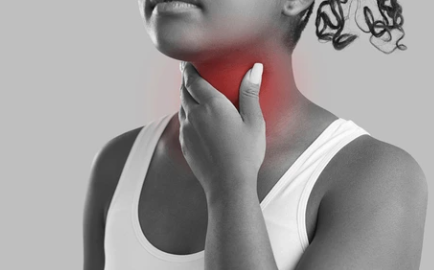
Yes. And not just curable in a hopeful optimistic sense. Genuinely curable in a the numbers back this up completely sense. Thyroid cancer has one of the highest survival rates of any cancer that exists. Most people diagnosed with early stage thyroid cancer go on to live completely normal lives. That’s not reassurance for its own sake. That’s just what the data consistently shows.
According to Dr. Sandeep Nayak, cancer specialist in Bangalore, “Thyroid cancer is the diagnosis I give patients where I can genuinely say the word curable with real confidence behind it in most cases.”
Why Is Thyroid Cancer So Much More Curable Than Other Cancers?
People hear cancer and assume the worst. Completely understandable. But thyroid cancer genuinely behaves differently from almost every other malignancy and understanding why helps you hold onto that fact properly.
- Most Thyroid Cancers Grow Incredibly Slowly and Stay Local for Years: Papillary thyroid cancer the most common type grows so slowly that many patients have had it for years before diagnosis without it spreading anywhere beyond the thyroid gland itself.
- It Responds to Treatment in Ways Most Cancers Simply Don’t: After surgical removal thyroid cancer cells can be targeted with radioactive iodine treatment that seeks out and destroys any remaining thyroid tissue or cancer cells anywhere in the body with remarkable precision.
- The Five Year Survival Rate for Early Stage Thyroid Cancer Sits Above 98%: That number is not a typo. Stage 1 and Stage 2 papillary and follicular thyroid cancers have survival rates that most other cancer types can’t come close to matching at any stage.
- Even When It Spreads It Often Remains Highly Treatable for Years: Unlike most cancers that become dramatically harder to treat at Stage 4 certain thyroid cancers remain responsive to targeted therapy and radioactive iodine even after distant spread has occurred.
For patients seeking comprehensive evaluation and advanced surgical options, specialised care for thyroid cancer plays a critical role in maintaining these excellent outcomes.
What Makes Some Thyroid Cancers Harder to Treat Than Others?
Because not all thyroid cancers are equal. And knowing the difference matters when you’re trying to understand your own specific situation.
- Papillary and Follicular Thyroid Cancers Are the Ones With Excellent Outcomes: These two types make up over 90% of all thyroid cancer diagnoses and both respond exceptionally well to surgery and radioactive iodine treatment in the vast majority of patients.
- Medullary Thyroid Cancer Behaves Differently and Needs Different Treatment: This rarer type doesn’t respond to radioactive iodine so treatment relies primarily on surgery and targeted therapy making early detection and complete surgical removal even more critical.
- Anaplastic Thyroid Cancer Is the Exception That Changes the Entire Conversation: This aggressive rare type accounts for less than 2% of thyroid cancers but grows rapidly and responds poorly to standard treatment making it genuinely difficult to manage even with specialist care.
- The Stage at Which It’s Found Still Changes Everything Even in Thyroid Cancer: Even though thyroid cancer is highly curable a tumour found at Stage 1 before lymph node involvement offers a simpler cleaner treatment path than one found after spread has already occurred.
In cases of cancers where a high degree of accuracy in tumour removal is demanded in anatomically complex regions, innovative robotic surgery technologies are becoming a popular method of enhancing the accuracy of surgery and recovery in patients.
Why Choose Dr. Sandeep Nayak for Cancer Treatment in Bangalore?
Dr. Sandeep Nayak is the inventor of RABIT, a scarless robotic thyroid surgery technique he has performed over 500 times with outcomes that consistently match or exceed international standards for thyroid cancer treatment. As one of the most experienced cancer specialists in Bangalore for thyroid malignancies he brings surgical precision, complete nodal clearance and years of robotic thyroid expertise to every case. His patients don’t just get their cancer removed. They get it removed without a visible scar, with minimal recovery time and with the kind of thoroughness that dramatically reduces recurrence risk. Because thyroid cancer being curable only means something if the surgery is done properly the first time around.
Frequently Asked Questions
What is the survival rate for thyroid cancer diagnosed at an early stage?
Stage 1 thyroid cancer has a five year survival rate of 99.9% making it one of the most successfully treated cancers in all of oncology worldwide.
Does thyroid cancer always require surgery as the first treatment step?
In most cases yes, surgical removal of the thyroid is the primary treatment followed by radioactive iodine therapy to destroy any remaining thyroid tissue or cells.
Can thyroid cancer come back after successful treatment and surgery?
Yes, recurrence is possible which is why lifelong monitoring through thyroglobulin blood tests and periodic imaging scans remains essential even after successful cancer treatment.
Is scarless thyroid cancer surgery actually possible or just a marketing claim?
Yes, robotic scarless thyroid surgery through a small underarm incision is a real and proven technique that leaves no visible scar on the neck whatsoever.
Reference links:
-
American Cancer Society
Thyroid Cancer Survival Rates & Statistics
https://www.cancer.org/cancer/types/thyroid-cancer/detection-diagnosis-staging/survival-rates.html -
National Cancer Institute
Thyroid Cancer Treatment (PDQ®) – Patient Version
https://www.cancer.gov/types/thyroid/patient/thyroid-treatment-pdq - Disclaimer: The information shared in this content is for educational purposes and not for promotional use.
