
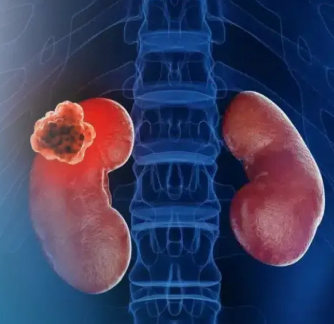
Regular surgery fixes a problem. Cancer surgery does something considerably more involved than that. The margins around the tumour matter as much as the tumour itself, the operation connects directly to chemotherapy or radiation that may follow, and every major decision goes through a team review before the patient even gets a surgery date. That entire framework simply doesn’t exist in routine operative care.
According to Prof. Dr. Sandeep Nayak, Surgical Oncologist in India, “in cancer surgery the operation itself is one step in a longer plan and if that step isn’t executed with the right oncological intent, everything that follows it becomes harder to manage.”
Thinking about who should be handling your cancer surgery?
How Is Cancer Surgery Clinically Different?
The differences run deeper than technique and touch every part of how the procedure is planned, performed and followed up.
- Surgical Margins: Taking the tumour out isn’t enough on its own because the tissue surrounding it needs to come back clear as well, and when it doesn’t the whole question of whether the cancer was actually removed has to be revisited from the start.
- Pre-Operative Staging: Scans aren’t just background information in cancer surgery CT, MRI and PET results determine whether laparoscopic cancer surgery is appropriate, whether another approach works better or whether surgery should even happen before other treatments run first.
- Tumour Board Review: A routine operation involves a surgeon and an anaesthetist. A cancer operation involves oncologists, radiologists and radiation specialists all reviewing the plan together before a single decision gets locked in.
- Post-Operative Oncological Care: Recovery from routine surgery is mostly physical but after cancer surgery there’s pathology to review, adjuvant therapy to arrange and a surveillance schedule to maintain because the follow-up period is where recurrence either gets caught early or doesn’t.
What separates cancer surgery from general operative work isn’t just the complexity of the procedure it’s the entire clinical system built around it.
What Does This Mean for the Patient?
Understanding where the differences actually sit helps patients ask better questions and make more confident decisions about who they want involved in their care.
- Surgeon Selection: A general surgeon and a surgical oncologist both operate, but only one has been specifically trained in oncological margin control, tumour staging and the biology that shapes every intraoperative decision, which matters more than most patients realise going in.
- Treatment Sequencing: Surgery doesn’t always come first in cancer care because some tumours need chemotherapy or radiation to shrink them to a point where robotic cancer surgery can remove them with the precision and margin clearance the case actually requires.
- Recurrence Risk: Every technical decision in cancer surgery from how wide the margins are taken to whether lymph nodes get assessed carries a direct consequence for long-term recurrence risk in a way that simply has no equivalent in routine operative work.
- Integrated Follow-Up: Cancer patients leave theatre with a structured follow-up plan that includes imaging, tumour marker monitoring and coordinated input from multiple specialists because the surgical outcome feeds directly into every decision that comes after it.
Getting the right specialist involved before surgery rather than after is one of the most straightforward ways to avoid a situation where short-term decisions create long-term problems. For a broader understanding of how cancer surgery actually works, cancer surgery is covered separately.
Why Choose Dr. Sandeep Nayak for Cancer Surgery?
Dr. Sandeep Nayak holds DNB qualifications in Surgical Oncology and General Surgery with a fellowship in Laparoscopic and Robotic Onco-Surgery and 24 years of experience in cases where oncological precision directly determined what was possible for the patient long term. He leads cancer surgery and Robotic Surgery at KIMS Hospital, Bangalore and heads Oncology Services across Karnataka, with originator credits for RABIT, MIND and L-VEIL techniques and over 25 published clinical studies. Patients with complex presentations or cases declined elsewhere are fully assessed here with every operative decision going through tumour board consensus. Call +91 8104310753 to book your consultation.
Frequently Asked Questions
Is cancer surgery riskier than regular surgery?
The risk profile is different because cancer procedures involve margin control, longer operating times and more complex post-operative oncological management.
Can a general surgeon perform cancer surgery?
In straightforward cases sometimes, but surgical oncologists carry specific training in staging, margins and oncological outcomes that general surgery doesn’t include.
Why does cancer surgery need a tumour board involved?
Because the surgical plan directly shapes chemotherapy, radiation and follow-up decisions that require input from multiple specialists before the operation starts.
How does recovery from cancer surgery differ from routine surgery?
Cancer surgery recovery includes pathology review, adjuvant therapy decisions and long-term surveillance that routine operative recovery simply doesn’t involve.
Reference links:
- National Cancer Institute — Surgery to Treat Cancer
- National Institutes of Health — Surgical Oncology and Cancer Treatment
- Disclaimer: The information shared in this content is for educational purposes and not for promotional use.
