
The thyroid is a small, butterfly-shaped gland in the neck, yet it controls metabolism, energy, and the hormones that govern reproduction. As its reach is so wide, even a minor imbalance can disrupt the body’s normal rhythm. This is where thyroid health and fertility become closely linked: when hormone levels run too high or too low, ovulation, menstrual cycles, and sperm quality can all suffer, making conception harder.
Dr. Sandeep Nayak, an ace surgical oncologist in Bangalore with deep expertise in thyroid and cancer care, explains:
Thyroid imbalance is one of the most common yet overlooked causes of infertility. He points out that many couples try for months before realizing a simple thyroid test holds the answer, and that fertility often improves once the imbalance is corrected.
Known for his work in advanced robotic and minimally invasive surgery, Dr. Sandeep Nayak guides patients through thyroid evaluation, nodule assessment, and treatment when a serious condition is suspected. This makes him a trusted name for cancer treatment in Bangalore.
Trying to conceive without success? A simple thyroid test could be the missing piece. Speak to your doctor about getting checked.
Introduction to Thyroid Health and Fertility
First, here’s why this gland matters so much for reproduction.
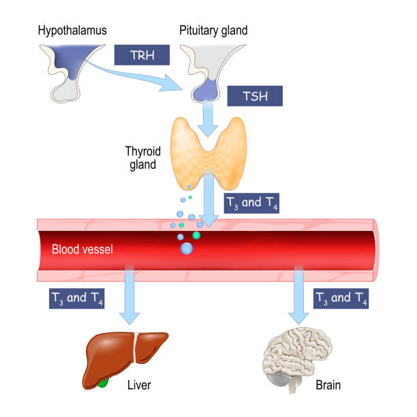
The thyroid produces two key hormones, T3 and T4, that regulate how every cell in the body uses energy. These hormones also interact closely with the reproductive system. In women, they influence ovulation and the menstrual cycle. In men, they affect sperm production and quality.
When thyroid hormone levels are too high (hyperthyroidism) or too low (hypothyroidism), this delicate balance is disturbed. The result can be irregular cycles, difficulty conceiving, or a higher chance of complications during pregnancy. Healthy thyroid function, therefore, is a quiet but essential foundation for fertility in both partners.
Curious whether your thyroid could be affecting your fertility? Keep reading.
How Thyroid Imbalances Impact Fertility
Both an underactive and an overactive thyroid can disrupt reproduction in several ways:
- Disrupted ovulation
Hypothyroidism can prevent the ovaries from releasing an egg each month, making conception unlikely.
- Irregular menstrual cycles
Thyroid imbalance often causes cycles that are too heavy, too light, or unpredictable.
- Hormonal interference
Low thyroid hormone can raise prolactin levels, which further suppresses ovulation.
- Luteal phase problems
The second half of the cycle can be shortened, and this can make it difficult for an embryo to implant.
- Male fertility effects
Thyroid imbalance may have an impact on the sperm level, motility, and libido in men.
- Higher miscarriage risk
Untreated thyroid disorders are linked to early pregnancy loss.
The encouraging news is that thyroid dysfunction-caused fertility problems are often easily correctable when diagnosed.
Trying to conceive without success? A simple thyroid test could be the missing piece. Speak to your doctor about getting checked.
Signs of Thyroid Imbalances Affecting Fertility
Now, what should actually make you suspicious?
Thyroid problems can be subtle, but certain signs are worth noting, especially alongside fertility concerns.
Possible signs of an underactive thyroid:
- Constant fatigue and low energy
- Unexplained weight gain
- Feeling cold often
- Dry skin and hair thinning
- Heavy or irregular periods
- Low mood or difficulty concentrating
Possible signs of an overactive thyroid:
- Rapid weight loss
- Racing heartbeat or palpitations
- Anxiety and restlessness
- Light or skipped periods
- Trouble sleeping
- Excessive sweating
“If several of these sound familiar, it is worth raising them with a doctor. A simple blood test can confirm whether your thyroid is the cause,” advises Dr. Sandeep Nayak, an acclaimed oncologist in Bangalore.
The Role of Thyroid Disorders in Pregnancy

Conceiving is one step. Carrying a healthy pregnancy is the next step.
Thyroid hormones are vital during pregnancy, particularly in the first trimester when the baby relies entirely on the mother’s supply. Unmanaged thyroid disorders during this time can raise the risk of complications.
Untreated hypothyroidism in pregnancy has been linked to miscarriage, premature birth, low birth weight, and effects on the baby’s brain development. Untreated hyperthyroidism can lead to pre-eclampsia, preterm delivery, and other concerns. This is why doctors often check thyroid levels early in pregnancy and continue to monitor them throughout pregnancy.
The good news is that with proper treatment and regular monitoring, most women with thyroid disorders go on to have healthy pregnancies and healthy babies.
Planning a pregnancy or already expecting? Get your thyroid checked early. It is one of the simplest steps toward a safer pregnancy.
Treatment Options for Thyroid Disorders and Fertility Enhancement

Here’s the reassuring part: most thyroid issues are highly treatable.
Treatment depends on whether the thyroid is underactive or overactive:
- Hypothyroidism is usually managed with daily thyroid hormone replacement medication. Once levels are stabilized, ovulation and cycles often return to normal.
- Hyperthyroidism may be treated with anti-thyroid medication, and in some cases, other interventions, depending on the cause.
- Regular monitoring through blood tests ensures hormone levels stay in the ideal range, especially before and during pregnancy.
- Fertility support may be combined with thyroid treatment if conception is still difficult after hormone levels are corrected.
In some cases, thyroid problems are linked to nodules or, less commonly, thyroid cancer. When a suspicious nodule is found, specialist evaluation is important. For those in Bangalore who need thyroid cancer treatment, Dr. Sandeep Nayak offers expert assessment and advanced surgical care. You can read more about thyroid disease during pregnancy from the American Thyroid Association for trusted background information.
Tips for Optimizing Thyroid Health and Boosting Fertility

In addition to medication, some small daily habits can support your thyroid.
- Eat a balanced diet. Add sufficient iodine, selenium, and zinc, which support thyroid function. Avoid extreme or restrictive diets.
- Manage stress. Chronic stress can disturb both thyroid and reproductive hormones. Rest, sleep, and relaxation are important.
- Stay active. Regular, moderate exercise supports metabolism and hormonal balance.
- Maintain a healthy weight. Both being underweight and being overweight can affect thyroid and fertility.
- Take medication consistently. If prescribed thyroid medication, take it exactly as advised and never stop without consulting your doctor.
- Get regular check-ups. Periodic thyroid checks are used to detect imbalances early, particularly when planning a family.
These steps are not a substitute for medical treatment, but they promote the best possible health for conception.
Frequently Asked Questions
1. Can I get pregnant with a thyroid disorder?
Yes. Most women with a well-managed thyroid disorder conceive and have healthy pregnancies.
2. Which thyroid problem affects fertility more, hypothyroidism or hyperthyroidism?
Both affect fertility, but hypothyroidism is more commonly linked to ovulation and cycle problems.
3. Should I get my thyroid tested before trying to conceive?
Yes. A simple TSH blood test before planning a pregnancy is a sensible precaution, especially if you have symptoms.
4. Does thyroid imbalance affect men's fertility?
Yes. It can reduce sperm count, lower motility, and affect libido in men.
5. Can treating my thyroid improve my chances of conceiving?
Often, yes. Once hormone levels are corrected, ovulation and cycles frequently return to normal.
6. Is thyroid medication safe during pregnancy?
Thyroid hormone replacement is considered safe and is usually essential. Always take it under medical guidance.
7. Can thyroid problems cause miscarriage?
Untreated thyroid disorders are linked to a higher risk of miscarriage, which is why early monitoring matters.
8. Can diet alone fix a thyroid disorder?
No. Diet supports thyroid health but cannot replace medical treatment when a disorder is present.
Disclaimer: The information shared in this content is for educational purposes and not for promotional use.
