
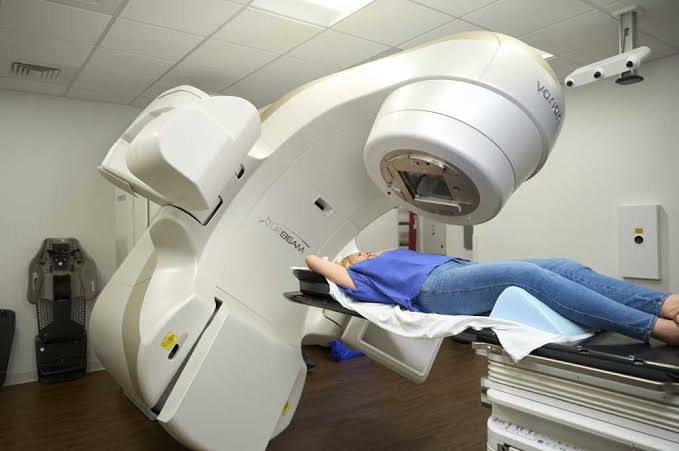
Most patients who had a lumpectomy will need radiation afterwards, while those who had a mastectomy may or may not need it depending on tumour size, lymph node involvement and other factors. The point of radiation is to clear any microscopic cancer cells left behind, dropping the risk of local recurrence sharply. The decision isn’t routine. It’s tailored to each patient by the tumour board.
According to Prof. Dr. Sandeep Nayak, Surgical Oncologist in India, “Radiation after breast cancer surgery isn’t automatic, but it’s the most studied way to reduce local recurrence after breast conserving surgery. The decision rests on what the pathology shows, what the margins look like, and what the patient’s individual risk profile actually is. The tumour board makes that call together, never one doctor alone.”
The decision to radiate isn’t routine, it’s personal to each case.
Who Needs Radiation After Breast Cancer Surgery?
Different surgeries lead to different radiation decisions. Here’s how it breaks down.
- After lumpectomy: Almost always recommended. Whole breast radiation cuts the chance of cancer coming back in the same breast by roughly 50 percent. Without it, recurrence climbs sharply.
- After mastectomy: Selective use. Recommended when the tumour was over 5 cm, four or more lymph nodes are positive, or surgical margins were close or positive.
- Lymph node involvement: When cancer cells are found in axillary lymph nodes, radiation often covers the lymph node areas too, not just the breast or chest wall.
- Special situations: Skin involvement, positive margins after re-excision, very young patients, or aggressive tumour biology can shift a borderline case toward radiation.
For patients undergoing breast surgery using precision techniques, robotic cancer surgery often allows tighter margins and clearer planning, but the post operative radiation decision still depends on the pathology that comes back.
How Is Radiation Delivered After Breast Surgery?
Modern protocols are shorter and gentler than they used to be.
- Standard schedule: Whole breast radiation runs 3 to 5 weeks, Monday to Friday, with short daily sessions. New hypofractionated schedules deliver the same dose in fewer sessions.
- Partial breast option: For carefully selected patients, accelerated partial breast irradiation targets only the area around the original tumour, finishing in about a week.
- Boost dose: An extra dose to the tumour bed is added when the risk of local recurrence is higher, especially in younger patients or close margins.
- Side effects: Skin redness, fatigue, mild breast swelling are common but usually temporary. Long term effects like lymphedema or rare cardiac issues are uncommon with modern targeting.
For more on what recovery looks like overall after breast cancer surgery including radiation, drains and rehabilitation, our blog on breast cancer care covers the full picture.
Why Choose Dr. Sandeep Nayak for Your Cancer Care?
Dr. Sandeep Nayak has spent 24 years in surgical oncology. He holds DNB qualifications in Surgical Oncology and General Surgery, plus a fellowship in Laparoscopic and Robotic Onco Surgery. He works closely with radiation oncologists to coordinate the breast cancer treatment plan, ensuring radiation decisions are based on pathology, margins and risk profile rather than a one size fits all approach.
Every case at MACS Clinic is reviewed by the multidisciplinary tumour board before treatment planning. Call +91 8104310753 to book your consultation.
Frequently Asked Questions
Is radiation needed after breast cancer surgery?
Usually yes after lumpectomy, selectively after mastectomy based on risk factors.
When can radiation be skipped?
In some older women with small, low risk hormone positive tumours.
How long does breast radiation take?
Around 3 to 5 weeks depending on the protocol used.
What are common side effects?
Skin redness, fatigue, mild breast swelling, all usually temporary.
Disclaimer: This blog is for informational purposes only and is not a substitute for professional medical advice.
