
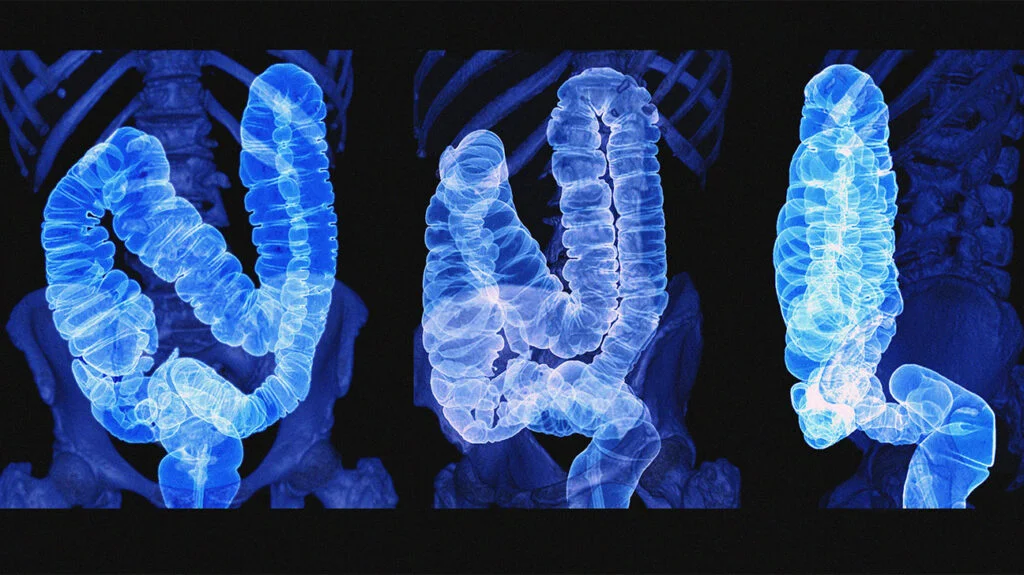
Colon cancer is one of the most detectable cancers in its early stages. It usually starts as a polyp and moves slowly, which leaves a wide window to find it before it reaches the lymph nodes that mark Stage 3. Colonoscopy and stool tests pick up these changes while the disease is still local and far simpler to treat.
According to Dr. Sandeep Nayak, Surgical Oncologist in India, “Colon cancer rarely jumps to Stage 3 overnight. It starts as a polyp and takes years to turn. That slow window is what screening exploits. Catch it as a polyp or a Stage 1 tumour and the whole treatment changes. The cancers that reach Stage 3 are nearly always the ones nobody went looking for.”
Wondering whether you’re due for a colon screening?
How Does Screening Catch It Early?
It works because colon cancer leaves a long, quiet trail before it spreads.
- Polyps first : Most colon cancers start as a polyp. Remove it during colonoscopy and the cancer never forms.
- The slow clock : A polyp usually takes years to turn malignant. That gap is the whole reason screening works.
- Silent stages : Early colon cancer rarely causes symptoms. By the time it does, it’s often climbed a stage already.
- Stool tests : FIT and stool DNA tests flag hidden blood, catching tumours that haven’t shown themselves yet.
The aim is finding it before the nodes are involved, and the right colon cancer treatment is far less aggressive when it’s caught early.
What Changes If It's Found Before Stage 3?
Stage at diagnosis shapes nearly everything that follows.
- Survival : Stage 1 sits around 90 percent five year survival. Stage 4 drops near 14 percent. Stage is everything.
- Smaller surgery : A polyp can sometimes come out during the colonoscopy itself. No major resection, no chemo.
- Skipping chemo : Found before the nodes are hit, many patients skip chemotherapy. Stage 3 usually puts it back on the table.
- Recovery : Less disease, quicker recovery, fewer long term effects. The body has less to climb back from.
That’s why catching the symptoms of colon cancer early, or better still not waiting for them, changes the whole path of treatment.
Why Choose Dr. Sandeep Nayak for Colon Cancer Treatment?
Dr. Sandeep Nayak is a surgical oncologist with 24 years behind him and a fellowship in laparoscopic and robotic onco-surgery. His colon cancer work is known internationally, particularly D3 resection, where his surgical videos are among the most watched in the field. The plan starts with staging, so the surgery matches the disease and nothing more invasive happens than has to. Early tumours get treated as early tumours. That precision is what holds outcomes high.
Stage decides how hard the road ahead will be. A cancer caught as a polyp barely interrupts a life. The same cancer at Stage 3 means bigger surgery, chemo, a longer recovery. Robotic and laparoscopic colectomy, with proper nodal clearance, gives the cleanest result the stage allows.
Frequently Asked Questions
Can colon cancer be found before Stage 3?
Yes. Screening often finds colon cancer at Stage 1 or 2, before nodes are involved.
What screening test catches colon cancer early?
Colonoscopy is the strongest test, finding and removing polyps before they turn cancerous.
Does early colon cancer cause symptoms?
Often not. Early colon cancer is usually silent, which is why screening matters so much.
When should colon cancer screening start?
Screening usually starts at 45, or earlier with family history or risk factors.
References
- Colorectal cancer screening and survival by stage — National Library of Medicine
- Colon cancer screening overview — National Cancer Institute
Disclaimer: This blog is for informational and educational purposes only and is not a substitute for professional medical advice or diagnosis.
