
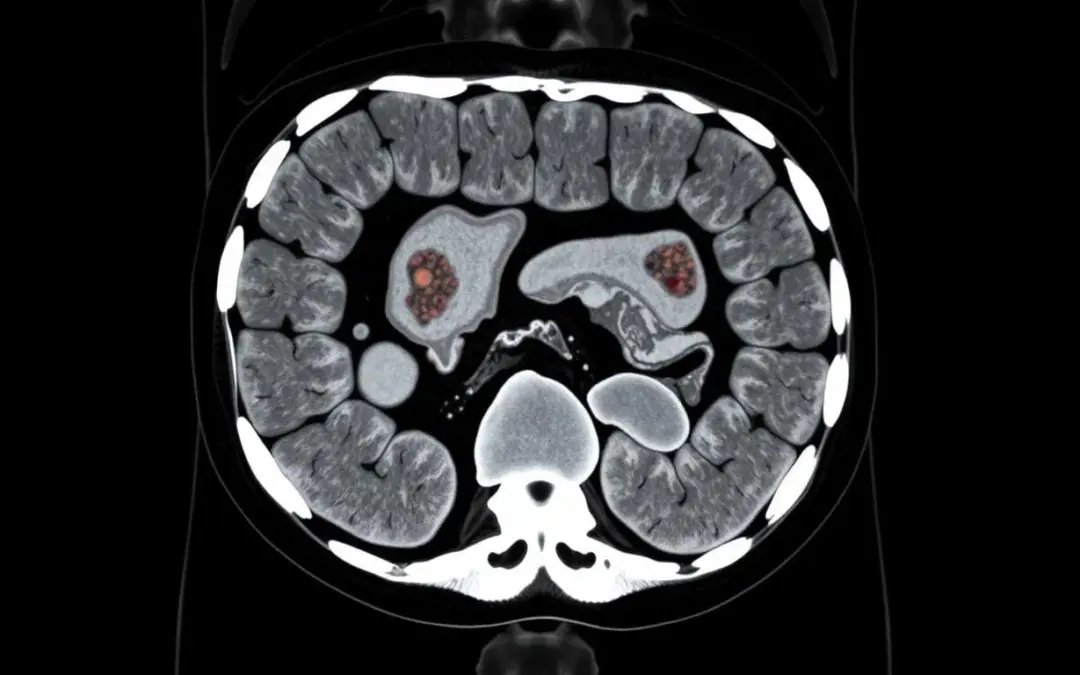
Colonoscopy is the better test. It does two jobs in one sitting, it finds polyps and removes them on the spot. CT colonography only detects. It’s a scan that locates polyps but can’t remove them, so anything it finds still needs a colonoscopy afterward. Colonoscopy screens and treats together. CT colonography screens only.
According to Dr. Sandeep Nayak, Surgical Oncologist in India, “Colonoscopy is the gold standard for a simple reason, it finds and fixes in one go. We see a polyp, we remove it, and that polyp never becomes cancer. CT colonography is useful when a colonoscopy can’t be completed or isn’t safe for someone. But a positive scan still ends in a colonoscopy. So for most people, going straight to the real thing makes sense.”
Due for a colon screening and unsure which test?
What Sets the Two Apart?
They examine the same colon but work in fundamentally different ways.
- Colonoscopy : A flexible camera goes in and the doctor sees the colon directly. Spot a polyp, remove it then and there. One and done.
- CT colonography : A CT scanner builds detailed images of the colon from outside. It’s often called virtual colonoscopy. It detects, but it can’t remove.
- The big gap : Colonoscopy treats as it screens. CT colonography only reports. Anything it flags still sends you for a colonoscopy anyway.
- Comfort tradeoff : CT colonography is less invasive and needs no sedation. But it uses radiation, and the bowel prep is much the same either way.
Catching disease early is the goal of both, and the right colon cancer treatment starts with whichever test fits the individual best.
Colonoscopy or CT Colonography: How Do They Compare?
Here’s how the two line up side by side.
|
Feature |
Colonoscopy |
CT Colonography |
|
Removes polyps |
Yes |
No |
|
Sedation |
Usually |
None |
|
Radiation |
None |
Yes |
|
Detects small polyps |
Excellent |
Can miss some |
|
Follow up needed |
Rarely |
If positive |
|
Best as |
Primary test |
Alternative |
- Sensitivity : Colonoscopy catches small and flat polyps that a scan can miss. For thorough detection, the camera still wins.
- The one stop benefit : Only colonoscopy turns screening into treatment. Removing a polyp during the test prevents the cancer outright.
- When scans help : CT colonography suits patients who can’t have a full colonoscopy, or where one couldn’t reach the whole colon.
- The catch with CT : A clear scan is reassuring, but a positive one means a second procedure. Two preps, two appointments, more time.
Understanding early detection of colorectal cancer shows why catching polyps early, and removing them, changes the whole picture.
Why Choose Dr. Sandeep Nayak for Colon Cancer Care?
Dr. Sandeep Nayak is a surgical oncologist with 24 years behind him and a fellowship in laparoscopic and robotic onco-surgery. His colon cancer work is known internationally, particularly D3 resection, and he sees screening as the front line that prevents surgery in the first place. The approach matches the test to the patient, recommending colonoscopy where it fits and CT colonography where a full scope isn’t possible. That judgement is what makes screening genuinely useful.
The screening choice sets up everything that follows. A colonoscopy that finds and removes a polyp can stop a cancer before it ever forms, which is the cheapest, simplest win in all of oncology. When that isn’t possible, knowing the alternatives and their limits matters. Picking the right test for the right person is the quiet step that prevents far bigger problems down the line.
Frequently Asked Questions
Is colonoscopy better than CT colonography?
Colonoscopy is the gold standard since it both detects and removes polyps together.
What is CT colonography?
A CT scan that creates detailed images of the colon to look for polyps.
Does CT colonography need a follow up colonoscopy?
Yes. If it finds a polyp, a colonoscopy is still needed to remove it.
When is CT colonography preferred?
When colonoscopy is unsafe, incomplete or a patient can’t tolerate the procedure.
References
- Colonoscopy versus CT colonography screening trial — National Library of Medicine
- CT colonography as a triage technique in screening — National Library of Medicine
Disclaimer: This blog is for informational and educational purposes only and is not a substitute for professional medical advice or diagnosis.
