

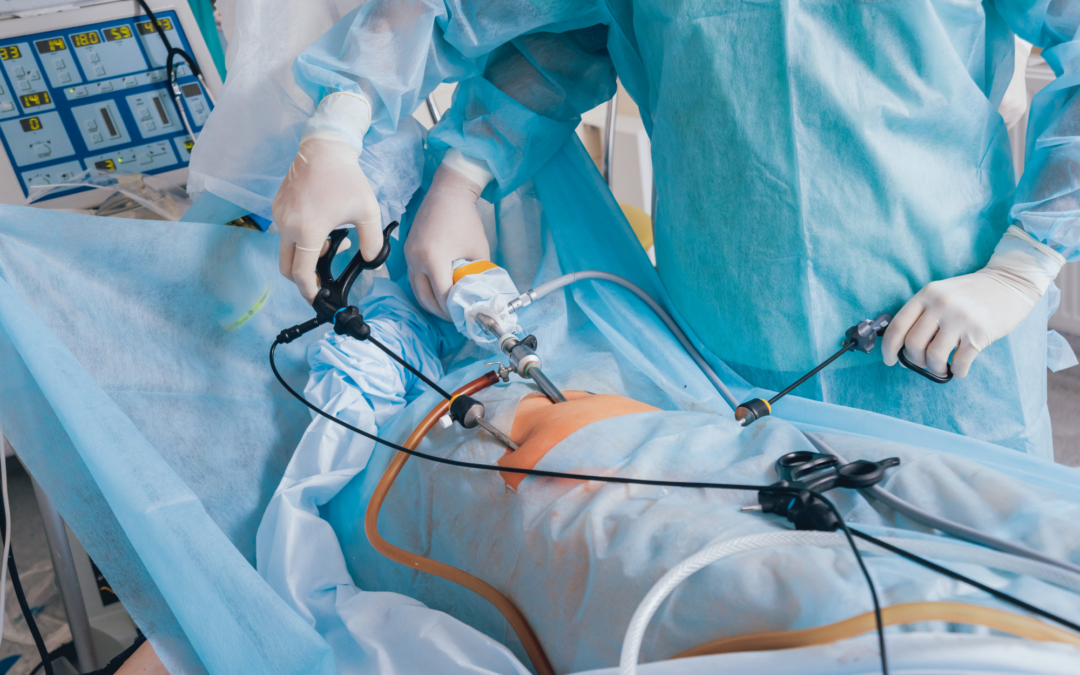
Tumour size and suspicion of malignancy decide it, not one approach being universally superior. Laparoscopic adrenalectomy is the standard for small to moderate tumours without concerning features, giving faster recovery and less pain with equal cancer control. Open adrenalectomy is required for large tumours or ones highly suspicious for cancer, since it allows wider margins and avoids the risk of rupturing the tumour during removal.
According to Dr. Sandeep Nayak, Surgical Oncologist in India, “Laparoscopic and open adrenalectomy aren’t competing techniques, they answer different clinical situations. A small, low suspicion tumour is removed laparoscopically without compromising the cancer outcome, while a large or highly suspicious tumour needs open surgery for safe margins and to avoid rupturing it. Tumour size and imaging features decide the approach, and getting that judgement right matters more than defaulting to either technique.”
Weighing your options for adrenal tumour surgery?
When Does Laparoscopic Surgery Fit?
For the majority of adrenal tumours, the minimally invasive route is the right one.
- Small to moderate size : Tumours within a manageable size range are well suited to laparoscopic removal, which is now the established standard for these cases.
- Benign or low suspicion : Where imaging and hormone tests point away from cancer, there’s no reason to accept a bigger operation than necessary.
- Faster recovery : Smaller incisions bring less pain, a shorter hospital stay and quicker return to normal life, real advantages for the right tumour.
- Same cancer control : For appropriate cases, oncological outcomes match open surgery. Nothing is sacrificed by choosing the gentler approach.
This is the backbone of well planned adrenal tumor treatment, where matching the approach to the tumour protects both safety and recovery.
Laparoscopic or Open: How Do They Compare?
Here’s how the two approaches line up side by side.
| Feature | Laparoscopic | Open |
| Best for | Small, low suspicion tumours | Large, highly suspicious tumours |
| Incisions | Several small | One larger |
| Recovery | Days to weeks | Longer |
| Margins | Standard | Wider, if needed |
| Rupture risk | Low, in right cases | Minimised by design |
| Cancer control | Equal, when suitable | Preferred for confirmed cancer |
- Size threshold : Tumours above roughly six to eight centimetres tip the balance toward open surgery, where the risks of a minimally invasive attempt grow.
- Suspicion of cancer : Features suggesting adrenocortical carcinoma push firmly toward open surgery, prioritising a safe, complete removal over a smaller scar.
- Avoiding rupture : Breaking a cancerous tumour apart during laparoscopic removal can spread disease within the abdomen. Open surgery avoids that risk entirely.
- Not a downgrade : Choosing open surgery for the right tumour isn’t a step backward, it’s the safer, correct choice for that specific case.
Judging which category a tumour falls into starts with proper adrenal tumor evaluation, the assessment that determines which approach actually applies.
Why Choose Dr. Sandeep Nayak for Adrenal Surgery?
Dr. Sandeep Nayak is a surgical oncologist with 24 years behind him and a fellowship in laparoscopic and robotic onco-surgery. He performs both laparoscopic and open adrenalectomy, and chooses between them based purely on the tumour in front of him, not a default preference. The approach means being equally comfortable and skilled in both techniques, since a surgeon who can only do one is forced to fit every tumour into it, whether or not it truly belongs there.
The best outcome comes from matching the operation to the tumour, not from always reaching for the smaller incisions. A surgeon skilled in both approaches makes that judgement honestly, choosing laparoscopic where it’s genuinely safe and open where the tumour demands it. For a patient facing adrenal surgery, that flexibility, backed by real experience in both techniques, is what protects the outcome that matters most.
Frequently Asked Questions
Is laparoscopic adrenalectomy better than open surgery?
For most small to moderate tumours, yes, with faster recovery and less pain.
When is open adrenalectomy needed?
For large tumours or those highly suspicious for cancer with local invasion.
Does tumour size decide the approach?
Yes. Larger tumours, generally above six to eight centimetres, favour open surgery.
Why is open surgery safer for suspected cancer?
It allows wider margins and avoids rupturing a tumour during removal.
References
- Laparoscopic versus open adrenalectomy for adrenocortical carcinoma — National Library of Medicine
- Tumour size and outcomes in adrenalectomy approach — National Library of Medicine
Disclaimer: This blog is for informational and educational purposes only and is not a substitute for professional medical advice or diagnosis.

