
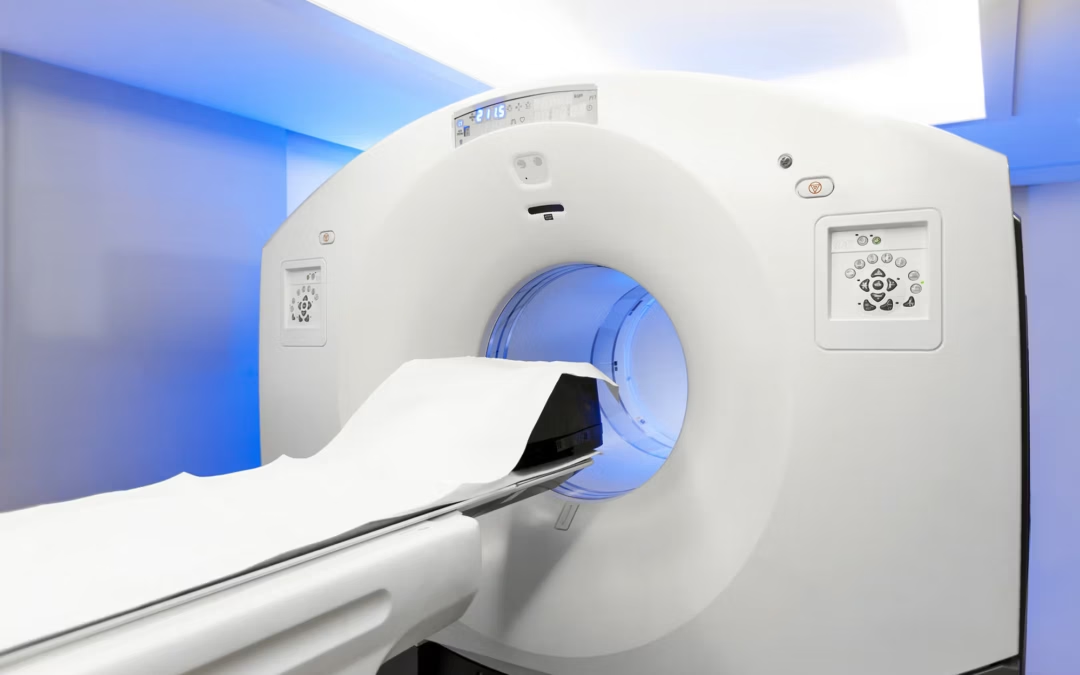
A PET scan can miss cancer. Not often, but it happens. The test works by detecting cells that consume sugar at high rates, which most cancers do, but not all. Very small tumours under a centimetre, slow growing cancers, prostate cancer, lobular breast cancer and low grade lymphomas can all stay invisible on PET despite being there. A negative scan is reassuring, but not definitive on its own, especially when symptoms persist.
According to Prof. Dr. Sandeep Nayak, Surgical Oncologist in India, “A clean PET scan is reassuring but it isn’t the final word. Certain cancers simply don’t light up the way the test expects, and small tumours fall below detection threshold. When clinical signs persist after a negative scan, that’s when biopsy or alternative imaging matters, not after another month of waiting.”
A clean scan is good news, but listen to your body too.
Why Does a PET Scan Sometimes Miss Cancer?
The technology has clear limits. Knowing them helps you understand the result.
- Tumour too small: PET scans struggle with anything under one centimetre. The signal is just not strong enough to stand out from background activity.
- Low sugar uptake: Some cancers don’t use much glucose. Prostate cancer, certain neuroendocrine tumours and lobular breast cancer fall into this group.
- Slow growing: Indolent lymphomas and low grade tumours grow slowly and metabolise slowly too. The scan reads them as normal tissue, not disease.
- Technical limits: Patient movement, recent infection, high blood sugar or inflammation can all reduce signal accuracy. Even the best scanner has these blind spots.
For patients whose treatment plan involves surgery after diagnosis, robotic cancer surgery brings precise removal of tumours that imaging alone can’t fully define.
What Should You Do If You Suspect a Missed Cancer?
A negative scan plus persistent symptoms shouldn’t end the conversation.
- Trust symptoms: Unexplained weight loss, persistent pain, ongoing fatigue or a stable lump deserves serious follow up, even if imaging looks clean.
- Get specific tests: MRI, ultrasound, endoscopy and tumour markers can pick up cancers that PET misses. Different cancers need different tools.
- Push for biopsy: When everything else is inconclusive and clinical suspicion is high, a tissue biopsy gives the answer no scan can match.
- Second opinion: A specialist looking at the same scan and same symptoms fresh sometimes catches what the original team missed. Worth asking for if the answer doesn’t feel right.
For patients facing inconclusive scans where the next step is tissue diagnosis, our blog on cancer biopsy explains how the procedure works.
Why Choose Dr. Sandeep Nayak for Your Cancer Care?
Dr. Sandeep Nayak has spent 24 years in surgical oncology. He holds DNB qualifications in Surgical Oncology and General Surgery and trained further with a fellowship in Laparoscopic and Robotic Onco Surgery. He reads PET scans alongside symptoms, never in isolation, and orders biopsy or alternative imaging when clinical suspicion stays high despite a clean scan.
That refusal to rely on a single imaging result is what catches the cancers others miss. Every case at MACS Clinic goes through full tumour board review, where the diagnostic plan is set together. Call +91 8104310753 to book your consultation.
Frequently Asked Questions
Can a PET scan miss cancer?
Yes, very small or low glucose tumours can sometimes go undetected.
Which cancers does PET miss most?
Prostate, lobular breast, low grade lymphomas, and slow growing tumours.
How small a tumour does PET miss?
Tumours under one centimetre are often hard to detect.
What should I do if symptoms persist?
Push for biopsy, MRI or specialist review despite a negative scan.
Disclaimer: This blog is for informational purposes only and is not a substitute for professional medical advice.
