
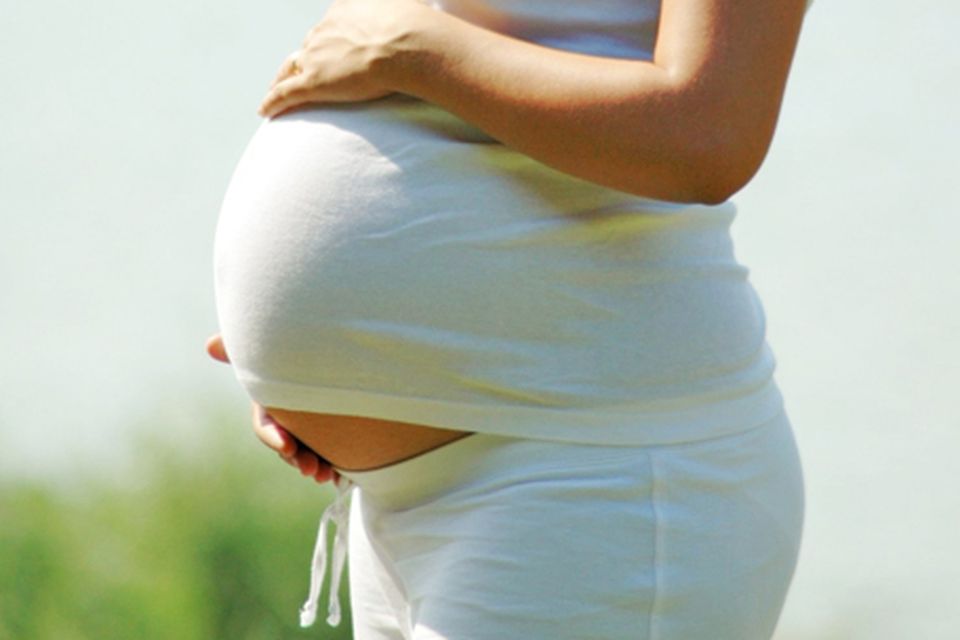
Mother to baby cancer transmission during pregnancy is extremely rare, with only around 18 documented cases worldwide in over 150 years of medical literature. The placenta acts as a strong barrier that blocks cancer cells from reaching the baby in nearly every case, and the baby’s developing immune system handles the very few that do slip through. Inherited cancer risk through genes is a separate matter, where certain BRCA or hereditary syndromes can pass down without any direct cell transmission.
According to Prof. Dr. Sandeep Nayak, Surgical Oncologist in India, “Maternal to fetal cancer transmission is one of the rarest events in oncology, far less common than the worry it causes among pregnant patients. The placenta and the baby’s immune system together make this an extraordinary occurrence, not a likely one, and the families I counsel through cancer during pregnancy are reassured by how settled the evidence is here.”
That worry about your baby deserves the real numbers, not vague fear.
How Does the Placenta Protect the Baby From Cancer?
The pregnancy biology builds in two strong barriers against transmission.
- Physical barrier: The placenta works like a filter between mother and baby, blocking most cells, including cancer cells, from crossing the bloodstream divide in either direction.
- Immune defence: The baby’s developing immune system recognises foreign cells, including any maternal cancer cells that slip through, and typically destroys them before they take hold.
- Genetic mismatch: Cancer cells from the mother carry her genetic markers, which the baby’s immune system reads as foreign, making engraftment in the baby’s body very unlikely.
- Extraordinarily rare: Only around 18 confirmed cases of true cell transmission exist in published literature, working out to roughly one case per 500,000 pregnancies with cancer.
For patients whose pregnancy plan combines cancer treatment with surgery, robotic cancer surgery allows precise removal that minimises disruption to ongoing pregnancy care.
What's the Difference Between Inherited and Transmitted Cancer?
Two completely separate ideas often get confused. They work through totally different biology.
- Inherited cancer: Specific genes like BRCA1, BRCA2 or Lynch syndrome pass from parent to child at conception, raising lifetime cancer risk decades later, not at birth.
- Transmitted cancer: Actual cancer cells crossing from a mother’s body into the baby during pregnancy, which is the extremely rare event covered in this blog.
- Different timing: Inherited risk shows up years or decades after birth as cancer might or might not develop. Transmission shows up months after birth as direct disease.
- Genetic counselling: Anyone with a strong family cancer history benefits from genetic testing and counselling, which is the right path for inherited risk, not transmission worry.
For young women planning pregnancy after their own cancer treatment, our blog on pregnancy after cancer walks through timing and safety.
Why Choose Dr. Sandeep Nayak for Your Cancer Care?
Dr. Sandeep Nayak has spent 24 years in surgical oncology, with DNB qualifications in Surgical Oncology and General Surgery and a fellowship in Laparoscopic and Robotic Onco Surgery. He counsels pregnant patients facing a cancer diagnosis with calm, evidence based answers about transmission rarity, treatment options that protect both mother and baby and clear coordination with obstetric teams throughout.
That settled, evidence based reassurance is what carries patients through cancer in pregnancy without panic. Every case at MACS Clinic goes through a full tumour board, where the treatment plan is set together. Call +91 8104310753 to book your consultation.
Frequently Asked Questions
Can cancer pass from mother to baby?
Extremely rare, about one in 500,000 pregnancies worldwide.
Which cancers carry the highest transmission risk?
Melanoma, leukaemia and lymphoma, though all transmissions remain very rare.
Is inherited cancer the same as transmitted cancer?
No, inherited is genes passing, transmitted is cells crossing placenta.
Should I avoid pregnancy if I have cancer?
Not usually, decisions are made with your oncologist case by case.
Disclaimer: This blog is for informational purposes only and is not a substitute for professional medical advice.
