
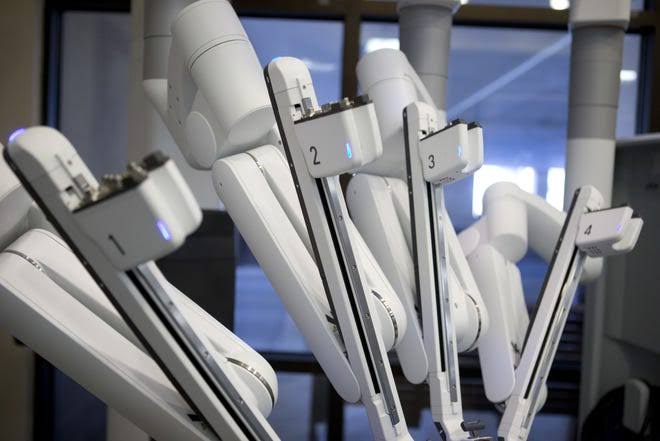
Robotic cancer surgery is widely available to international patients in India, including those travelling from Gulf countries. MACS Clinic Bangalore is among the centres that accept Gulf patients for these procedures, with the standard international patient pathway already established. Treatment typically takes 10 to 14 days from arrival to discharge, and Indian centres use the same Da Vinci Xi platform found in major US and European hospitals.
According to Prof. Dr. Sandeep Nayak, Surgical Oncologist in India, “International patients seeking cancer surgery need three things, the same surgical technology they’d access at home, a logistical pathway built around their family, and continuity of care once they return. Most major Indian cancer centres are now set up for this, which is why Gulf families have been part of the practice for over a decade.”
Understanding the pathway helps families plan international cancer care better.
What Cancer Care Is Available for Gulf Patients in India?
The clinical offering at major Indian cancer centres mirrors global standards.
- Robotic surgery: The Da Vinci Xi platform is used for breast, head and neck, colorectal, stomach, prostate, kidney and gynaecological cancers. The same technology is available across US and European centres.
- HIPEC and PIPAC: Specialised peritoneal cancer surgery and intraperitoneal chemotherapy are available at select Indian centres. These options aren’t widely offered across the Gulf region.
- Tumour board review: Indian cancer centres of standard follow the multidisciplinary tumour board model. The treatment plan comes from the full team rather than a single doctor.
- Continuity considerations: Post operative care matters as much as the surgery itself. Detailed discharge summaries and telehealth follow up help patients transition back to local doctors at home.
For more on the surgical procedure itself and which cancers it suits best, robotic cancer surgery covers procedure details, recovery timelines and cancer types treated.
What Should International Patients Know About the Travel and Care Pathway?
The logistics around international cancer treatment generally follow a similar pattern.
- Medical visa: India issues an M visa specifically for medical treatment, with an attendant visa for one family member. Hospital invitation letters typically arrive within 48 hours of confirmation.
- Language support: Indian cancer centres serving international patients commonly have Arabic, French or Russian translation depending on patient demographics. Worth confirming before travel.
- Cultural needs: Halal food, prayer spaces and accommodation respectful of family customs are standard parts of international patient programmes at most major Indian hospitals.
- Continuity of care: Discharge summary, follow up timetable and telehealth access for the early weeks back home keep the recovery seamless and reduce the chance of complications going unnoticed.
For patients specifically travelling for peritoneal cancer surgery with intraoperative chemotherapy, our blog on HIPEC surgery walks through what outcomes and survival actually depend on.
Why Choose Dr. Sandeep Nayak for Your Cancer Care?
Dr. Sandeep Nayak has spent 24 years in surgical oncology. He holds DNB qualifications in Surgical Oncology and General Surgery, plus a fellowship in Laparoscopic and Robotic Onco Surgery. International patients including those from Gulf countries have been part of his practice for over a decade, supported by Arabic translation, dedicated coordinators and post operative continuity arrangements.
Every case at MACS Clinic is reviewed by the multidisciplinary tumour board before treatment planning. Call +91 8104310753 to book your consultation.
Frequently Asked Questions
Can Gulf patients get robotic surgery at MACS?
Yes, Gulf patients regularly travel here for robotic cancer surgery.
How long is the typical stay?
About 10 to 14 days, covering surgery, recovery and follow up.
Is Arabic translation available?
Yes, Arabic translators support every consultation and recovery visit.
How much can Gulf patients save?
About 70 to 80 percent compared to similar care abroad.
Disclaimer: This blog is for informational purposes only and is not a substitute for professional medical advice.
