
Non-smokers can and do get lung cancer. Around one in ten cases occurs in people who never smoked, enough that if it were counted on its own, it would rank among the more common cancers. The causes are different: radon, air pollution, secondhand smoke, workplace exposures and genetics. It also behaves differently, often striking women and younger people, and frequently carrying mutations that respond well to targeted treatment.
According to Dr. Sandeep Nayak, Surgical Oncologist in India, “I’ve had patients look at me in disbelief because they never touched a cigarette in their lives. But roughly one in ten lung cancers is in a non-smoker, and it’s a genuinely different disease. It tends to be adenocarcinoma, often in women, and it frequently carries a mutation we can target directly. That last part is actually good news, because those cancers often respond beautifully to the right drug.”
Have a persistent symptom despite never smoking?
What Causes It in Non-Smokers?
When lung cancer appears in someone who never smoked, several factors are usually behind it.
- Radon and pollution : Radon gas seeping into homes, and long term air pollution, are major contributors. Both expose the lungs to carcinogens over years.
- Secondhand smoke : Breathing others’ smoke carries real risk. Years of passive exposure at home or work adds up, even without ever smoking yourself.
- Workplace exposures : Asbestos, diesel fumes and certain industrial chemicals raise lung cancer risk independently of smoking, sometimes decades after exposure.
- Genetics : A family history and inherited susceptibility play a bigger role in non-smokers, especially where cancer appeared young in relatives.
Recognising these different causes shapes the lung cancer treatment approach, since a non-smoker’s cancer often needs a different plan from a smoker’s.
Why Does It Behave Differently?
Lung cancer in non-smokers isn’t just the same disease without the smoking. It’s genuinely distinct.
- Different type : It’s usually adenocarcinoma, which grows in the outer parts of the lung, rather than the central tumours more typical of smokers.
- Targetable mutations : Non-smoker cancers often carry mutations like EGFR or ALK. Drugs built for these can control the cancer remarkably well.
- Affects women more : For reasons still being studied, non-smoker lung cancer is diagnosed more often in women than in men.
- Better response : Partly because of those mutations, these cancers often respond better to treatment, and the outlook can be more favourable.
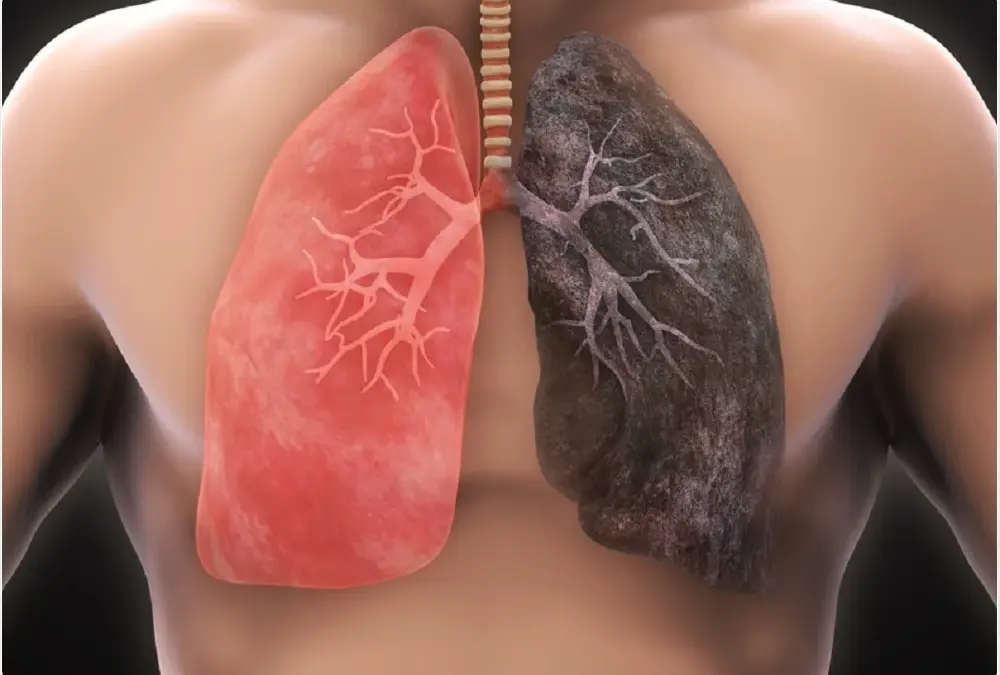
The contrast is clearest against the classic pattern, and understanding smoking and lung cancer shows just how different the two really are.
Why Choose Dr. Sandeep Nayak for Lung Cancer Care?
Dr. Sandeep Nayak is a surgical oncologist with 24 years behind him and a fellowship in laparoscopic and robotic onco-surgery. He treats lung cancer in smokers and non-smokers alike, and pays close attention to the non-smoking group where molecular testing and targeted therapy change everything. The approach starts with not dismissing a lung mass just because someone never smoked, since that assumption is exactly what delays these diagnoses.
The important shift with non-smoker lung cancer is recognising it as its own disease. A non-smoker with a lung mass deserves the same thorough workup and molecular testing as anyone else, because the mutation found is often the key to treatment. Reading that correctly, and matching the therapy to the tumour’s biology, is what gives these patients some of the best outcomes in lung cancer care.
Frequently Asked Questions
Can non-smokers get lung cancer?
Yes. About 10% of lung cancers occur in people who never smoked.
What causes lung cancer in non-smokers?
Radon, air pollution, secondhand smoke, occupational exposures and genetic factors all contribute.
Who is most affected?
It’s more common in women and often appears as adenocarcinoma at a younger age.
Does non-smoker lung cancer respond to treatment?
Often well. It frequently carries mutations that targeted therapy can treat effectively.
References
References
- Risk factors for lung cancer among never smokers — National Library of Medicine
- Lung cancer in never-smokers risk factors and driver mutations — National Library of Medicine
Disclaimer: This blog is for informational and educational purposes only and is not a substitute for professional medical advice or diagnosis.
