
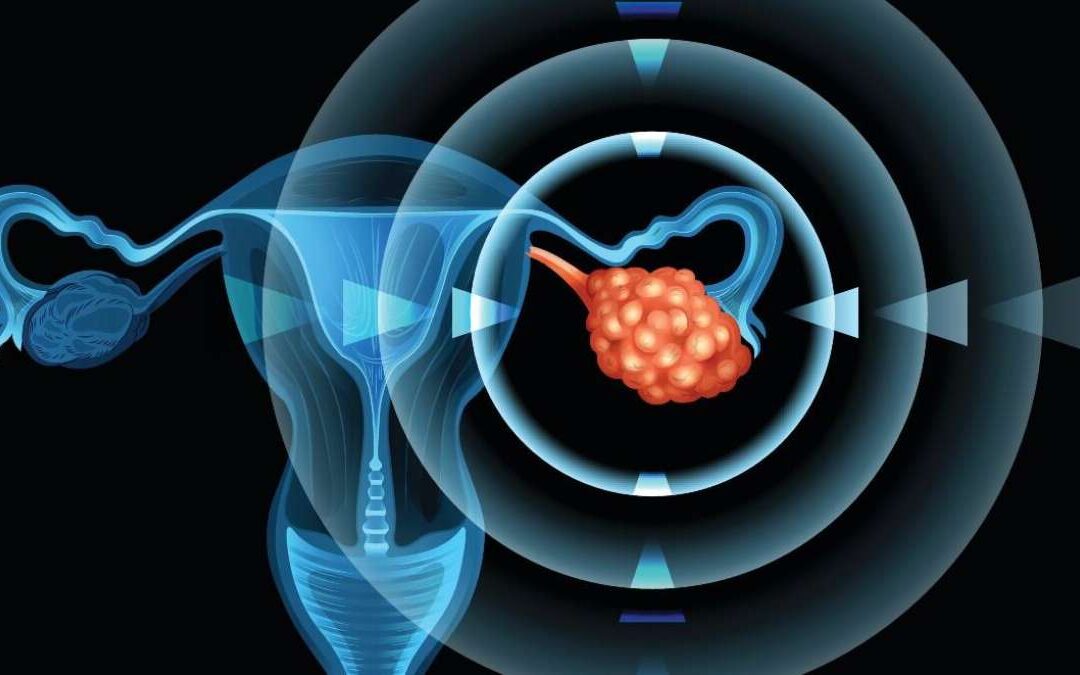
Ovarian cancer can be caught early, but not through a routine screening test in the way cervical or breast cancer can. No validated test, including combined ultrasound and blood testing, has been shown to reduce mortality sufficiently to support screening the general population. Early detection instead depends on prompt evaluation of persistent symptoms, incidental findings on imaging performed for other reasons, and targeted surveillance in women at elevated genetic risk. The stage at diagnosis makes a substantial difference to outcome.
According to Dr. Sandeep Nayak, Surgical Oncologist in India, “Patients often ask why there is no simple screening test for ovarian cancer the way there is for cervical cancer. The honest answer is that trials of ultrasound and CA-125 screening in the general population have not shown a meaningful reduction in deaths. Early detection instead comes from taking persistent symptoms seriously, from findings noticed incidentally on scans, and from closer surveillance in women with a known genetic risk. Each of those pathways matters.”
Concerned about your risk and seeking evaluation?
Why Is There No Routine Screening Test?
Understanding the limitations of current screening tools clarifies why early detection depends on other approaches.
- Ultrasound and CA-125 have limits : Large trials studying this combination in the general population have not demonstrated a sufficient reduction in mortality to justify routine use.
- False positives carry consequences : Screening tools that flag too many benign findings can lead to unnecessary surgery, which limits their suitability for population wide use.
- The disease progresses variably : Some tumours grow slowly while others progress rapidly, which complicates the timing and interpretation of periodic screening.
- Specificity remains inadequate : Even sensitive markers such as CA-125 lack the specificity required to reliably distinguish early cancer from benign conditions.
This is why accurate diagnosis within ovarian cancer treatment relies on a combination of clinical judgement, imaging and pathology rather than a single screening test.
How Is Early Detection Achieved?
In the absence of population screening, three approaches account for most early stage diagnoses.
- Prompt symptom evaluation : Persistent bloating, pelvic pain, early satiety or urinary changes, when new and ongoing, should prompt timely imaging and assessment.
- Incidental detection : Imaging performed for unrelated reasons occasionally identifies an ovarian mass before symptoms develop, allowing earlier intervention.
- Genetic risk surveillance : Women with BRCA mutations or a strong family history are offered closer monitoring or risk reducing surgery based on individual risk.
- Stage dependent survival : Five year survival exceeds 90 percent for disease confined to the ovary, compared to considerably lower rates for advanced stage disease.
Understanding individual risk factors, discussed further in our guide to ovarian cancer risk factors, helps identify who benefits most from closer surveillance.
Why Choose Dr. Sandeep Nayak for Ovarian Cancer Care?
Dr. Sandeep Nayak is a surgical oncologist with 24 years of experience and a fellowship in laparoscopic and robotic onco-surgery. His approach to ovarian cancer prioritises prompt evaluation of persistent symptoms and appropriate imaging, recognising that stage at diagnosis has a considerable effect on long term outcome. This includes identifying patients who warrant genetic counselling and closer surveillance based on family history.
The absence of a routine screening test does not mean early detection is unattainable, it means the responsibility shifts to clinical vigilance. Evaluating persistent symptoms without delay, investigating incidental findings thoroughly, and identifying women who require genetic risk assessment together account for most cases diagnosed while still confined to the ovary. That vigilance, more than any single test, is what continues to improve outcomes in this disease.
Frequently Asked Questions
Can ovarian cancer be caught at an early stage?
Yes, but usually through symptom evaluation and surveillance, not routine screening.
Is there a screening test for ovarian cancer?
No validated test reduces mortality enough to be recommended for routine screening.
Who should have targeted surveillance?
Women with BRCA mutations or strong family history benefit from closer monitoring.
Does stage at diagnosis affect survival significantly?
Yes. Early stage survival is far higher than survival for advanced disease.
References
- UKCTOCS trial results on ovarian cancer screening — National Library of Medicine
- Hereditary risk and surveillance strategies for ovarian cancer — National Library of Medicine
Disclaimer: This blog is for informational and educational purposes only and is not a substitute for professional medical advice or diagnosis.
