
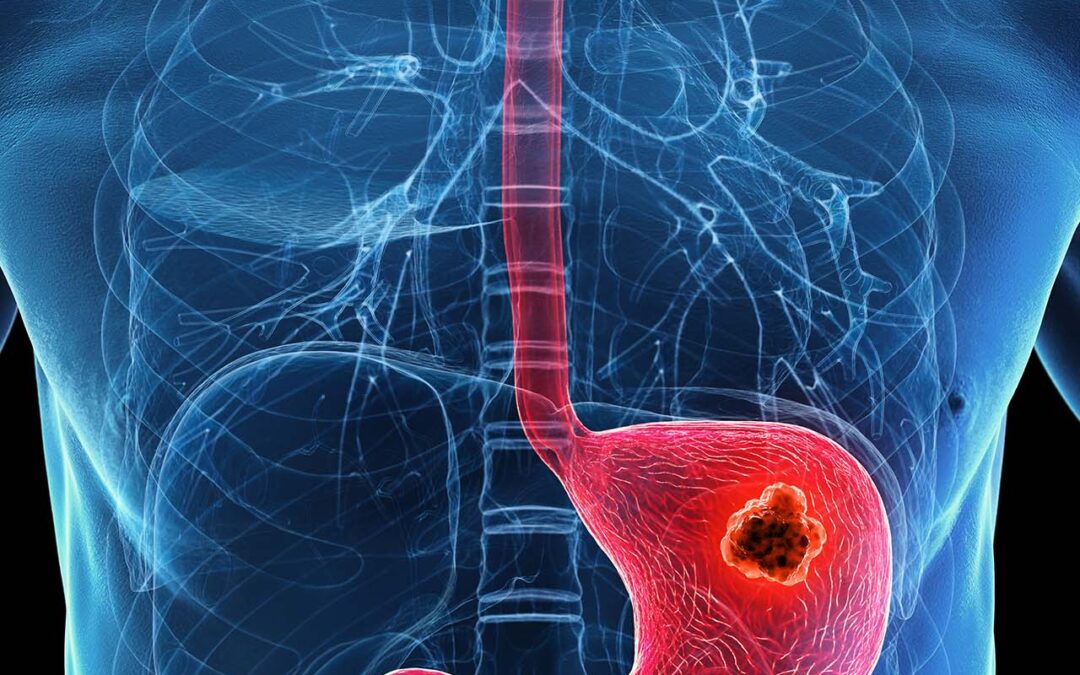
Stomach cancer is one of the most commonly missed cancers in India because its early symptoms are identical to ordinary indigestion. Persistent upper abdominal discomfort, early satiety, mild nausea and unexplained weight loss are the four signs patients most frequently attribute to acidity, stress or dietary habits for months before seeking investigation. By the time the diagnosis is confirmed, most cases in India are at Stage 3 or Stage 4. The signs listed below are individually non-specific but in combination, especially in patients over 45 with a family history or H. pylori infection, they warrant urgent endoscopic evaluation rather than empirical antacid therapy.
According to Prof. Dr. Sandeep Nayak, Surgical Oncologist in India,
“The patients who reach us early are almost always those whose general physician didn’t treat persistent upper abdominal symptoms with antacids alone. They investigated first. That decision is what changes the outcome.”
Experiencing persistent upper abdominal symptoms and want a specialist assessment?
What Are the Early Signs of Stomach Cancer That Get Dismissed?
The symptoms of early stomach cancer are almost never dramatic. They look exactly like common gut complaints and that is precisely why they get missed for so long.
- Persistent Indigestion: Indigestion or heartburn that doesn’t improve with antacids after two to three weeks or returns consistently after stopping medication is one of the most overlooked early indicators and stomach and esophageal cancer assessment at KIMS Hospital, Bangalore begins with urgent endoscopy for anyone over 45 presenting with new-onset persistent dyspepsia.
- Early Satiety: Feeling full after eating only a small amount is a symptom patients consistently normalise as poor appetite or stress, but early satiety that appears without a dietary change and persists for more than two to three weeks is a red flag for gastric tumour causing reduced stomach capacity.
- Unexplained Weight Loss: Losing weight without intentional dietary change or increased activity is a systemic cancer symptom that applies across multiple cancer types and unexplained weight loss of more than 5 percent of body weight over six months warrants investigation regardless of how benign the patient’s other symptoms appear.
- Upper Abdominal Discomfort: A vague ache or pressure in the upper abdomen that is not clearly related to meals, doesn’t respond to antacids and persists across several weeks is consistently described by patients with early gastric cancer as something they dismissed for months before it worsened.
These four symptoms together in a patient over 45 with H. pylori history, a family history of stomach cancer or a diet high in smoked and salted foods constitute a clinical indication for immediate endoscopy.
What Other Signs Should Raise Concern for Stomach Cancer?
Several additional signs appear slightly later in the early disease process and are still actionable if investigated promptly.
- Nausea Without Cause: Persistent low-grade nausea without a clear dietary or medication trigger, particularly when it appears alongside early satiety or upper abdominal discomfort, is a combination that warrants endoscopic investigation rather than empirical antiemetic treatment.
- Blood in Stool or Vomit: Vomiting blood or passing dark tarry stools indicates bleeding from the upper gastrointestinal tract and robotic cancer surgery or conventional gastric resection for surgically identified stomach cancer produces significantly better outcomes when the disease is caught before this symptom appears.
- Difficulty Swallowing: Dysphagia involving solid foods progressing to softer foods is a specific symptom of tumours at the gastro-oesophageal junction, the area where the stomach meets the oesophagus, and this symptom should never be attributed to acid reflux without endoscopic confirmation.
- Anaemia Without Explanation: Iron deficiency anaemia without a clear source of blood loss in a patient over 45 requires upper and lower gastrointestinal investigation because chronic slow bleeding from an early gastric tumour is a common presentation that gets managed as dietary anaemia for months before the correct diagnosis is made.
Early stomach cancer is treatable and surgically curable. The problem is never the surgery. It is how long the diagnosis takes and for more on how early cancer signs are investigated, our blog on early signs of cancer covers the investigation approach in detail.
Why Choose Dr. Sandeep Nayak for Stomach Cancer Surgery ?
Dr. Sandeep Nayak brings 24 years of surgical oncology experience, DNB qualifications in Surgical Oncology and General Surgery and a fellowship in Laparoscopic and Robotic Onco-Surgery to stomach cancer surgery including laparoscopic and robotic-assisted gastrectomy at KIMS Hospital, Bangalore. He heads Oncology Services across Karnataka with originator credits for RABIT, MIND and L-VEIL techniques and over 25 published clinical studies. Patients with persistent upper GI symptoms or a confirmed stomach cancer diagnosis are seen here with every case reviewed through tumour board. Call +91 8104310753 to book your consultation.
Frequently Asked Questions
What are the earliest signs of stomach cancer?
Persistent indigestion, early satiety, unexplained weight loss and upper abdominal discomfort are the most common early signs that patients dismiss as ordinary gut problems for months.
At what age should stomach cancer symptoms be investigated urgently?
New-onset persistent upper abdominal symptoms in anyone over 45, particularly with H. pylori history or family history of gastric cancer, warrant urgent endoscopy rather than empirical antacid treatment.
Can stomach cancer cause anaemia?
Chronic slow bleeding from an early gastric tumour frequently presents as unexplained iron deficiency anaemia and this is one of the most commonly missed indirect indicators of early stomach cancer.
Is stomach cancer curable if caught early?
Early-stage stomach cancer is surgically curable and resection at Stage 1 or Stage 2 produces five-year survival rates significantly higher than surgery performed at Stage 3 or Stage 4.
Reference Links-
- National Cancer Institute — Stomach Cancer Symptoms and Diagnosis
- World Health Organization — Gastric Cancer
- Disclaimer: The information shared in this content is for educational purposes and not for promotional use.
