
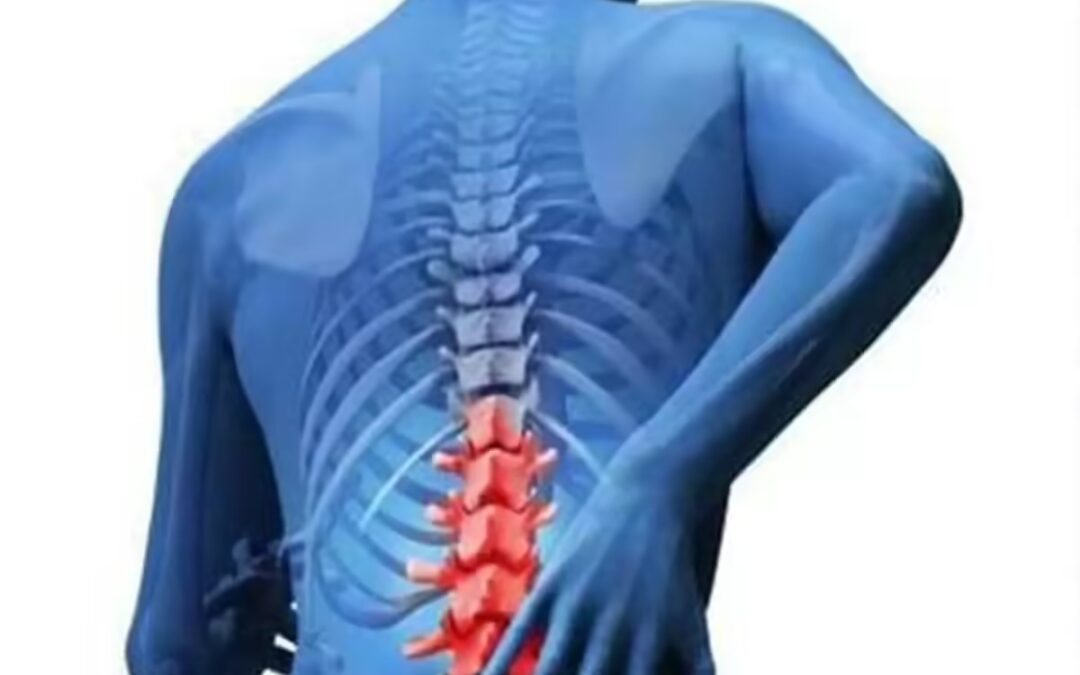
Back pain is rarely caused by pancreatic cancer. The vast majority of cases come from muscle strain, poor posture, spinal disc issues, kidney stones, gallbladder problems or arthritis. Pancreatic cancer is the uncommon explanation. The pattern that genuinely warrants investigation is a dull middle back ache, often paired with upper abdominal pain, that worsens when lying down, improves when leaning forward, and comes alongside weight loss, jaundice, appetite loss or new onset diabetes.
According to Prof. Dr. Sandeep Nayak, Surgical Oncologist in India, “Almost every patient who comes to me worried about back pain being pancreatic cancer turns out to have a muscle, spine or stomach issue, not cancer. The pancreatic pattern I take seriously is mid back ache that improves leaning forward, with weight loss or jaundice. That combination earns a proper scan.”
That back pain deserves a clear answer, not weeks of worried Googling.
What Usually Causes Back Pain?
Most causes are common and treatable. Here’s what they typically are.
- Muscle strain: Lifting, twisting, poor sleep or sudden movement strains the back muscles, the single most common cause of back pain that settles in days to weeks.
- Poor posture: Long desk hours, hunched phone use and unsupported sitting create chronic mid and lower back ache that improves with posture and stretching changes.
- Disc issues: Slipped or bulging spinal discs can cause sharp or radiating pain, often with leg numbness or tingling, distinguishing it clearly from cancer pain.
- Kidney gallbladder: Stones in the kidney or gallbladder can cause severe one sided back pain, often with nausea or urinary changes, easily diagnosed on ultrasound.
So most back pain has a straightforward cause. For patients whose treatment involves surgery, robotic cancer surgery offers precise, recovery focused treatment as part of a complete plan.
When Should Back Pain Be Investigated for Cancer?
A few specific patterns are the ones that warrant a proper check.
- Mid back: Pancreatic back pain typically sits in the middle of the back, often described as a deep dull ache or band of pain wrapping around to the abdomen.
- Position matters: Pain that worsens when lying flat and improves when sitting forward or curling up is one of the classic clues that the pancreas is involved.
- Weight loss: Unexplained weight loss alongside persistent back pain is the combination that shifts the picture and warrants imaging without delay.
- Other signs: Jaundice, appetite loss, new diabetes, light coloured stools or dark urine alongside back pain need urgent pancreatic workup, not muscle relaxants.
So pattern and combined signs matter more than the pain itself. For patients who do receive a diagnosis, our blog on pancreatic cancer survival walks through outcomes and treatment options in detail.
Why Choose Dr. Sandeep Nayak for Your Breast Cancer Care?
Dr. Sandeep Nayak brings 24 years of surgical oncology experience, DNB qualifications in Surgical Oncology and General Surgery and a fellowship in Laparoscopic and Robotic Onco Surgery to the care of patients across every cancer type, including pancreatic cancer. He evaluates back pain thoroughly when the pancreatic pattern fits, ordering CT and MRI when warranted, reassuring patients when the cause is benign, so the rare cancer cases get caught at their most treatable stage.
That balanced reading is what catches pancreatic cancer in time without panicking the many patients whose back pain is muscular or spinal. Every case at MACS Clinic goes through a full tumour board, where the diagnostic plan is set together. Call +91 8104310753 to book your consultation.
Frequently Asked Questions
Is back pain a sign of pancreatic cancer?
Rarely, most back pain is muscular, postural or spinal, not cancer.
How does pancreatic cancer back pain feel?
Dull, mid back, worse lying down, better leaning forward.
When should I be concerned?
If with weight loss, jaundice, appetite loss or new diabetes.
What test confirms pancreatic cancer?
CT scan, MRI, blood markers and sometimes endoscopic ultrasound.
References:
- National Cancer Institute, Pancreatic Cancer Symptoms. https://www.cancer.gov/
- World Health Organisation, Cancer. https://www.who.int/news-room/fact-sheets/detail/cancer
