
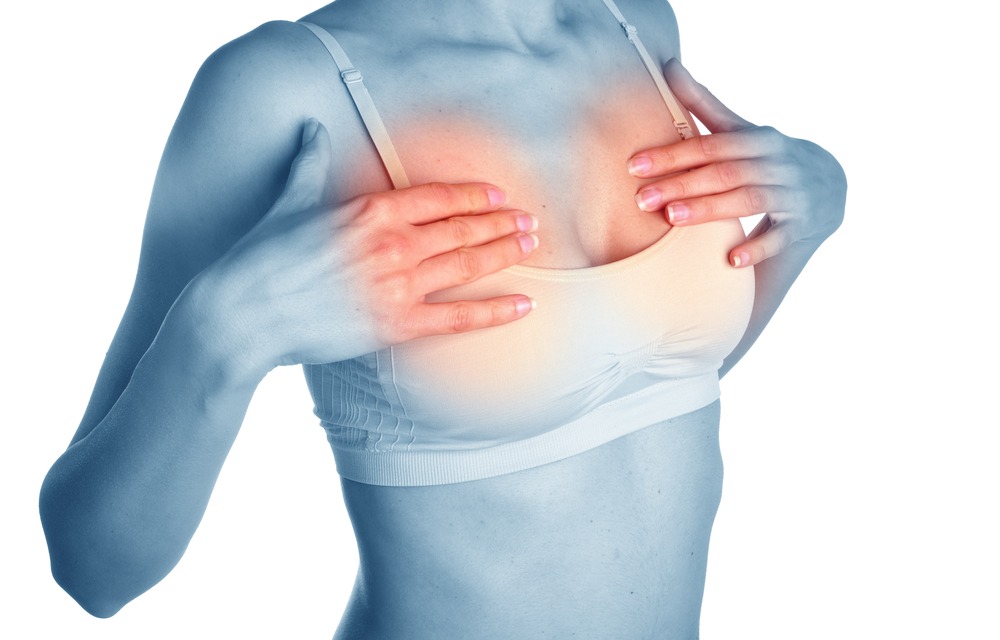
Breast pain is rarely caused by cancer. Only around 2 percent of breast pain cases are linked to cancer, with the vast majority caused by hormonal shifts during the menstrual cycle, fibrocystic changes, ill fitting bras, muscle strain or perimenopause. In fact, early breast cancer is usually painless, which is why pain alone is more reassuring than alarming. The picture changes when pain stays in one spot, comes with a lump or persists for weeks without a hormonal pattern.
According to Prof. Dr. Sandeep Nayak, Surgical Oncologist in India, “Breast pain is what brings most women to my clinic worried about cancer, and almost every time I reassure them, because painless lumps worry me far more than painful ones. When pain does matter is when it stays in the same spot, with a lump or skin change. That’s when I want a proper look.”
That ache in your breast deserves a clear answer, not another sleepless night.
What Usually Causes Breast Pain?
Most causes have nothing to do with cancer. Here’s what they typically are.
- Hormonal cycle: Pain linked to the menstrual cycle, perimenopause or hormone changes is the single most common reason, often felt in both breasts and following the cycle.
- Fibrocystic changes: Lumpy, tender breast tissue is a benign and harmless condition that causes cyclical pain in millions of women, with no link to cancer.
- Ill fitting bra: A bra that’s too tight, too loose or unsupportive is a surprisingly common cause of localised breast pain, often relieved by a proper fitting.
- Muscle strain: Pain that feels like it’s in the breast often comes from the chest wall muscles after lifting, exercise, posture or even a hard cough.
So most breast pain has a benign cause. For patients whose treatment involves surgery, robotic cancer surgery offers precise, recovery focused treatment as part of a complete plan.
When Should Breast Pain Be Checked?
A few specific patterns are the ones that warrant a proper look.
- One spot: Pain that stays in exactly the same spot of one breast, rather than moving around or affecting both sides, is the pattern most worth attention.
- Lump together: Any breast pain alongside a new lump, skin dimpling, nipple change or discharge shifts the picture significantly and needs urgent evaluation.
- No pattern: Pain that doesn’t follow the menstrual cycle or hormonal pattern, especially after menopause, deserves a specialist appointment rather than home remedies.
- Weeks long: Persistent pain in one area lasting beyond several weeks without improvement is the kind of symptom worth getting checked, not waiting on.
So pattern matters far more than the pain itself. Pain that doesn’t fit a hormonal pattern is exactly why our blog on early detection of breast cancer encourages regular self examination alongside specialist review.
Why Choose Dr. Sandeep Nayak for Your Breast Cancer Care?
Dr. Sandeep Nayak brings 24 years of surgical oncology experience, DNB qualifications in Surgical Oncology and General Surgery and a fellowship in Laparoscopic and Robotic Onco Surgery to the care of breast cancer patients across every stage. He evaluates breast pain thoroughly with clinical examination, ultrasound or mammogram when needed, reassuring patients when the cause is benign and biopsying only when the pattern fits, so the rare cancer cases get caught at their most treatable stage.
That balanced reading is what catches the rare cancer in time without panicking the many cases that aren’t. Every case at MACS Clinic goes through a full tumour board, where the diagnostic plan is set together. Call +91 8104310753 to book your consultation.
Frequently Asked Questions
Is breast pain a sign of cancer?
Rarely, only about 2 percent of breast pain is cancer related.
What usually causes breast pain?
Hormones, menstrual cycle, fibrocystic changes, ill fitting bras or muscle strain.
When should breast pain be checked?
If persistent in one spot, with a lump or skin change.
How is breast pain evaluated?
Clinical exam, ultrasound and mammogram if needed.
References:
- National Cancer Institute, Breast Cancer Symptoms. https://www.cancer.gov/
- World Health Organisation, Cancer. https://www.who.int/news-room/fact-sheets/detail/cancer
