
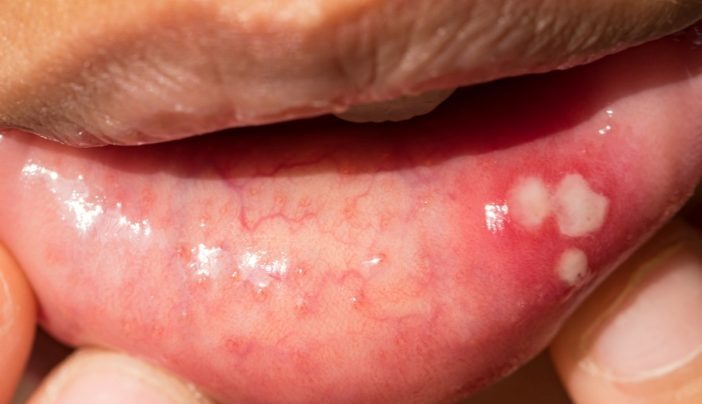
A mouth ulcer that hasn’t healed in three weeks can be early oral cancer. Not every one is, but the three-week rule exists for a reason. Normal ulcers heal in seven to fourteen days, so anything still sitting there beyond three weeks needs a specialist to look. That’s especially true if you use tobacco, gutka or alcohol, where a non-healing ulcer is one of the earliest signs of oral cancer.
According to Prof. Dr. Sandeep Nayak, Surgical Oncologist in India, “The three-week ulcer is the one I want every Indian patient to take seriously. Most mouth ulcers I see are nothing, but the ones that don’t heal in three weeks are the early oral cancers we catch in time when patients actually come in, and miss when they wait.”
Got a mouth ulcer past three weeks?
When Is a Mouth Ulcer Worrying?
A normal ulcer behaves a certain way. The worrying ones break those patterns.
- Long lasting: Most ulcers clear up in one to two weeks on their own. One sitting there past three weeks is the cut-off line for getting it checked.
- Painless slowly: Early oral cancer often hurts less than a normal ulcer, not more, which is why patients miss it. Less pain isn’t reassurance, it’s a flag.
- Hard edges: Run your tongue around it. Cancer ulcers often feel firm or hardened at the base, while normal ones feel soft and tender.
- Bleeds easily: A mouth ulcer that bleeds at the slightest touch, or starts bleeding by itself, isn’t behaving like a typical canker sore.
So the pattern matters more than the ulcer itself. For patients facing oral surgery, robotic cancer surgery offers precise treatment for selected oral cancers with smoother recovery.
What Should You Do Next?
A few clear steps replace the worry with answers.
- Stop irritants: Cut out tobacco, gutka, paan and alcohol immediately. If the ulcer is from irritation, removing the cause may show healing within a week.
- See specialist: Don’t wait for the next dental check-up. A surgical oncologist or oral specialist can examine the ulcer the same week and tell you what’s going on.
- Biopsy ready: If the ulcer looks suspicious, a small sample is taken painlessly and sent for analysis. That’s the test that confirms or rules out cancer.
- Act fast: Early oral cancer caught at this stage has cure rates above eighty percent. Late presentation is what makes oral cancer hard, not the disease itself.
So three weeks is the cut-off, then act. The same “harmless-looking but stays put” pattern shows up with a painless lump, and both deserve the same calm but prompt check.
Why Choose Dr. Sandeep Nayak for Your Cancer Care?
Dr. Sandeep Nayak brings 24 years of surgical oncology experience, DNB qualifications in Surgical Oncology and General Surgery and a fellowship in Laparoscopic and Robotic Onco-Surgery to oral and head-and-neck cancer care. He takes the three-week rule seriously, examines persistent ulcers carefully and biopsies when needed, so the small fraction that turn out to be cancer are caught in their most treatable stage.
That early-action focus is what changes oral cancer outcomes. Every case at MACS Clinic goes through a full tumour board, where the treatment plan is set together. Call +91 8104310753 to book your consultation.
Frequently Asked Questions
Can a 3-week mouth ulcer be cancer?
Yes, it can be, which is why three weeks needs evaluation.
How long is a normal ulcer?
Most heal within one to two weeks without any treatment.
What are warning signs of oral cancer?
Non-healing ulcer, painless lump, hard edges or bleeding patch.
What should I do?
See a specialist for examination and biopsy if it persists.
References
- National Cancer Institute — Oral Cavity and Oropharyngeal Cancer. https://www.cancer.gov/
- World Health Organisation — Cancer. https://www.who.int/news-room/fact-sheets/detail/cancer
