
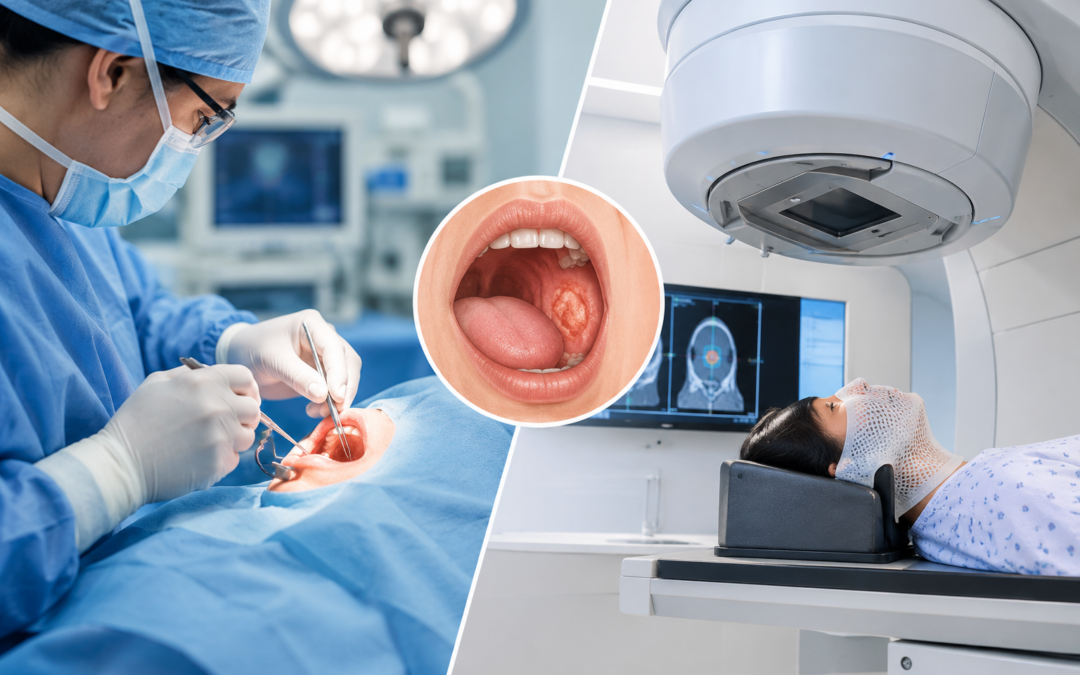
For most oral cavity cancers, surgery is the first and main treatment, and radiation therapy is added afterwards when the pathology report shows a higher risk of the cancer returning. Radiation becomes the main option when an operation isn’t possible or safe. The right sequence depends on the stage, the site in the mouth and the patient’s overall health.
According to Prof. Dr. Sandeep Nayak, Surgical Oncologist at MACS Clinic, Bangalore, explains how the two are weighed when planning oral cancer treatment. “Patients often ask whether radiation can simply replace the operation. For most cancers of the mouth, surgery goes first. It removes the tumour, and the report afterwards tells us how far the disease had gone. Radiation is added where that report calls for it. Where surgery isn’t safe or possible, radiation leads.”
For information about oral cancer treatment options, you can contact the clinic at +91 9482202240.
Why Does Oral Cancer Treatment Usually Start with Surgery?
The oral cancer surgery vs radiation question comes up at almost every first consultation. In most cases the operation goes first, for a few good reasons.
Takes out the tumour: Surgery removes the growth along with a rim of healthy tissue around it. When the cancer can be removed safely, that’s the most direct way to deal with it.
Gives a full report: The removed tissue goes to the lab. The report shows how deep the tumour went, whether the edges are clear and whether nerves were involved. Radiation alone can’t tell you any of that.
Checks the neck: Cancers of the mouth often spread to lymph nodes in the neck, so a neck dissection is commonly part of the operation. In suitable cases, Dr. Nayak’s RIA-MIND technique does this through the area below the collarbone, which avoids a visible neck scar. You can read more on our expertise page.
Keeps radiation in hand: Radiation in the same area is usually hard to repeat. There’s value in holding it back for when it’s needed.
Early cancers: For small, early-stage tumours, surgery and radiation therapy may offer comparable outcomes in certain cancers. The choice of treatment depends on the cancer type, tumour location, overall health, and individual treatment goals.
Minimally invasive options: Where the tumour allows it, robotic techniques can be used. Our page on trans oral robotic surgery covers where it’s used, and the one on robotic cancer surgery gives the wider picture. For how these approaches compare on results, see our blog on whether minimally invasive cancer surgery gives the same cure rate as open surgery.
When Is Radiation Given After Surgery?
Surgery isn’t always the end of the plan. Often radiation follows.
Higher-risk reports: A larger or deeper tumour, margins that are close or not clear, cancer in the lymph nodes, or nerve involvement. Any of these raises the chance of the cancer coming back.
Stage III and IV: Most patients with these stages are candidates for surgery plus radiation, according to the National Cancer Institute.
Adding chemotherapy: In some cases chemotherapy is given alongside the radiation so the two work better together.
Timing: It usually starts a few weeks after surgery, once the wound has healed. Long delays can reduce the benefit, so planning begins early.
Dental check first: Radiation affects the teeth and jaw, so a dental review comes before it starts.
What Determines Treatment Choice?
The choice is made case by case, using a few clear points.
Stage and size: How big the tumour is, how deep it goes and whether the nodes are involved. Our page on oral cancer treatment covers how the plan changes with stage.
Site in the mouth: The tongue, the lining of the cheek, the gums, the floor of the mouth and the palate each behave a little differently. Cancer that has reached the jaw bone often needs surgery.
Speech, chewing and swallowing: Both options are weighed on how they’ll affect these, and on how the mouth will look afterwards. The NCI notes that the choice is generally guided by expected function and appearance.
General health: Fitness for anaesthesia and for a long recovery matters, as do conditions like diabetes.
The patient’s priorities: Once the options are explained, recovery time, scars and daily life are part of the decision too.
Key Takeaways
-
Surgery is the primary treatment for most oral cavity cancers.
-
Radiation may be recommended after surgery if the pathology report indicates a higher risk of recurrence.
-
Radiation may be the main treatment when surgery is not possible or safe.
-
For some early-stage cancers, either surgery or radiation may be an option.
-
The treatment plan depends on the cancer stage, location in the mouth and the patient’s overall health.
-
To discuss your case, you can book an appointment or contact the clinic at +91 9482202240.
Frequently Asked Questions
Does oral cancer treatment start with surgery or radiation?
For most oral cavity cancers, surgery comes first, and radiation follows if the report shows higher risk.
When is radiation the main treatment for oral cancer?
When the tumour can’t be removed safely, the patient isn’t fit for surgery, or in some early cancers.
Why is radiation given after oral cancer surgery?
To lower the chance of the cancer coming back when the pathology report shows higher-risk features.
Can early oral cancer be treated with radiation alone?
In some early cases, yes, because surgery and radiation can work about equally well
References
1. National Cancer Institute (NCI) – Lip and Oral Cavity Cancer Treatment Explains treatment options for oral cavity cancer, including surgery, radiation therapy, and treatment decisions based on cancer stage. Link: https://www.cancer.gov/types/head-and-neck/hp/adult/lip-mouth-treatment-pdq
2. American Cancer Society – Treating Oral Cavity and Oropharyngeal Cancer by Stage Describes how treatment approaches vary by cancer stage and when surgery, radiation, or combined treatments may be considered. Link: https://www.cancer.org/cancer/types/oral-cavity-and-oropharyngeal-cancer/treating/oral-cavity-options-by-stage.html
Disclaimer: This blog is for informational and educational purposes only and is not a substitute for professional medical advice or diagnosis.
