
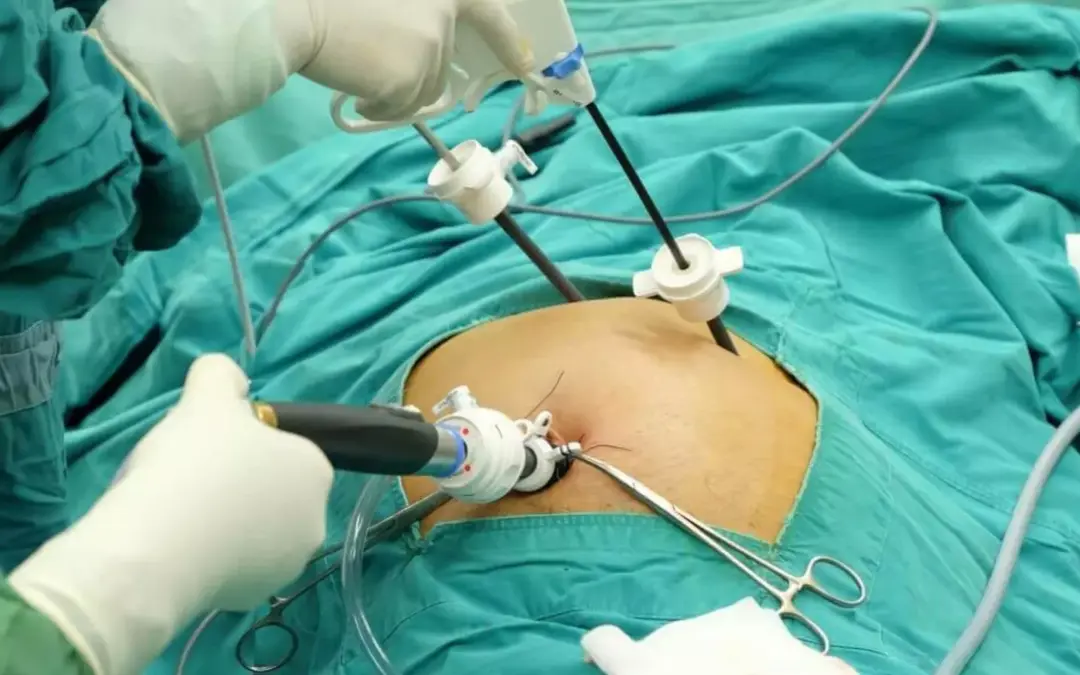
Robotic surgery is available for bile duct cancer, but only in selected cases at specialist centres. It suits resectable tumours that are clear of the major blood vessels, in patients fit for the operation. For these, the robot’s precision helps with the complex reconstruction this surgery demands. Complex or locally advanced tumours near major vessels still need open surgery. The case decides it.
According to Dr. Sandeep Nayak, Surgical Oncologist in India, “Robotic bile duct surgery is real and we do it, but I want to be honest about where it fits. For a resectable tumour that’s clear of the major vessels, the robot is excellent, especially for the delicate reconstruction afterward. But this is some of the most demanding surgery there is. A tumour wrapped around the portal vein still belongs in open hands. Right patient, right tool.”
Diagnosed with bile duct cancer and asking about robotic surgery?
When Does Robotic Surgery Fit?
The robotic approach works for bile duct cancer in a defined set of situations.
- Resectable tumour : The cancer has to be removable with clear margins. Robotic surgery doesn’t change what’s operable, it changes how it’s removed.
- Clear of vessels : Tumours sitting away from the portal vein and hepatic artery are far better suited. Proximity to those is what tips toward open.
- Complex reconstruction : After removal, the bile ducts need rejoining to the bowel. The robot’s wristed instruments handle this delicate step well.
- Specialist centre : This is high level hepatobiliary surgery. It needs a surgeon and team who do it regularly, not an occasional attempt.
This sits within the broader scope of robotic cancer surgery, where the platform’s precision matters most in technically demanding operations like this one.
What Does It Offer, and What Are the Limits?
Robotic surgery brings real advantages here, but it isn’t right for every bile duct cancer.
- Less blood loss : The precision and magnified view typically mean less bleeding, which matters greatly in this vessel rich part of the body.
- Faster recovery : Smaller incisions bring less pain and a quicker return home, the familiar benefits of a minimally invasive approach.
- Same cancer control : In suitable cases, the clear margin rates and oncological outcomes match open surgery. The goal of cure isn’t compromised.
- Where it stops : Tumours invading major vessels, or needing extended liver resection, remain open operations. The robot has genuine limits here.
The wider picture of bile duct surgery within hepatobiliary cancer care shows why these are among the most complex operations in the field.
Why Choose Dr. Sandeep Nayak for Bile Duct Cancer Surgery?
Dr. Sandeep Nayak is a surgical oncologist with 24 years behind him and a fellowship in laparoscopic and robotic onco-surgery. He was among the first in India to perform robotic procedures like the Whipple, and he brings that same robotic expertise to selected bile duct cancer cases. The approach starts with honest assessment of resectability, since the value of the robot is real only when the tumour genuinely suits it. That judgement protects the patient.
Bile duct cancer surgery is unforgiving, and the robotic version more so. The reconstruction alone demands a level of skill few surgeons have, which is why this work belongs in experienced hands and high volume centres. For the right patient with a resectable tumour, robotic surgery offers a real cure with a gentler recovery. Knowing which patient that is, and which one needs open surgery, is the expertise that matters most.
Frequently Asked Questions
Is robotic surgery available for bile duct cancer?
Yes, in selected resectable cases at specialist centres with the right expertise.
Which bile duct cancers suit robotic surgery?
Resectable tumours clear of major vessels, in patients fit for surgery.
Is robotic surgery as effective as open for bile duct cancer?
In suitable cases, yes. Clear margins and outcomes match open surgery.
When is open surgery still needed?
For complex tumours involving major vessels or needing extensive liver resection.
References
- Robotic surgery for biliary tract cancer systematic review — National Library of Medicine
- Minimally invasive surgery for perihilar cholangiocarcinoma — National Library of Medicine
Disclaimer: This blog is for informational and educational purposes only and is not a substitute for professional medical advice or diagnosis.
