
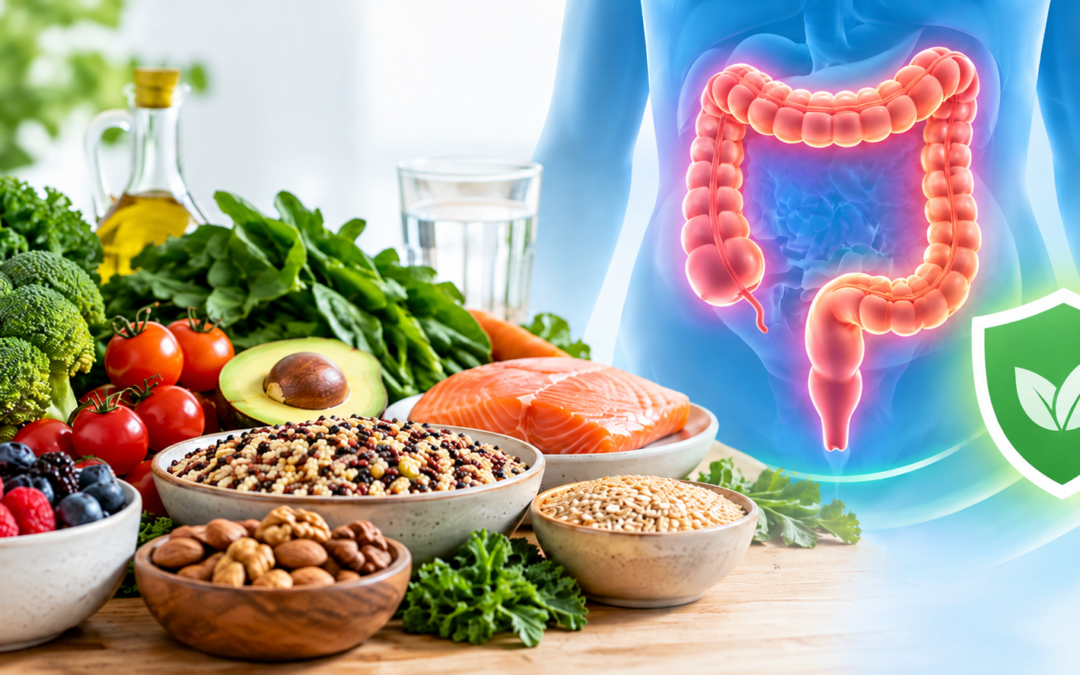
Yes, diet genuinely affects colorectal cancer risk, that part’s well established at this point. What’s less talked about is that not every dietary factor carries the same weight. Some links are backed by decades of consistent data, others are still being worked out. Understanding which is which matters more than another generic list of foods to eat or avoid.
According to Dr. Sandeep Nayak, surgical oncologist in Bangalore with over 24 years of experience treating solid tumors, “Patients want a simple answer, cut this out, eat more of that, and I understand the appeal. But the honest picture is that diet shifts risk over years, not overnight, and some factors move the needle far more than others. Knowing where the strongest evidence actually sits helps people focus their energy where it counts.”
Concerned about colorectal cancer risk and where diet fits in?
Diet Factors, Ranked by Strength of Evidence
| Factor | Effect on Risk | Strength of Evidence |
| Processed meat | Increases risk | Strong, classified a Group 1 carcinogen |
| Red meat, daily intake | Increases risk | Strong, classified probably carcinogenic |
| Alcohol | Increases risk, no safe threshold | Strong |
| Low fibre intake | Increases risk | Strong, one of the most consistent links |
| Obesity | Increases risk | Strong |
| Cruciferous vegetables | Protective | Moderate, mechanism well understood |
| Oily fish, omega-3s | Protective | Moderate |
| Specific diet patterns (Mediterranean, plant-based) | Protective overall | Growing, but less individually isolated |
This connects directly to something worth understanding if diet is part of a bigger family risk picture, our earlier piece on Right Age to Start Colonoscopy Screening in India? goes into why screening still matters regardless of how carefully someone eats.
Why Diet Alone Isn't the Whole Story ?
- Diet shifts risk over years, not weeks, so short-term changes won’t show up as a measurable difference immediately.
- Genetics and family history can outweigh diet in some individuals, which is exactly why screening age recommendations exist separately from lifestyle advice.
- India’s rising colorectal cancer rates in younger adults line up closely with dietary shifts toward processed food and away from traditional fibre-rich meals over the past couple of decades.
- No diet, however careful, replaces the need for screening at the recommended age, it lowers risk, it doesn’t eliminate it.
Why Choose Dr. Sandeep Nayak for Cancer Care in Bangalore?
Dr. Sandeep Nayak has spent more than two decades in surgical oncology, and colorectal cancer prevention conversations included, has been a consistent part of that work throughout. He currently serves as Chairman of Oncology Services for Karnataka and heads Surgical Oncology and Robotic Surgery at KIMS Hospital, Bangalore. What tends to matter most to patients isn’t the title though, it’s that dietary advice gets grounded in actual evidence of strength, not vague wellness trends dressed up as medical guidance. That honesty is often where things get missed elsewhere.
Wondering how much your diet actually changes your risk? Get a straight answer instead of guessing. Call +91 9482202240 and get someone to actually walk you through it.
Frequently Asked Questions
Can diet alone prevent colorectal cancer completely?
No, it lowers risk meaningfully but doesn’t eliminate it entirely, screening still matters regardless of how well someone eats.
Which single dietary change matters most?
Cutting processed meat and increasing fibre intake both carry the strongest evidence, though no single change works in isolation from overall lifestyle.
Does diet matter more than family history?
Not usually, no. Strong family history or hereditary conditions like Lynch syndrome can outweigh diet’s effect, which is why screening guidelines account for both separately.
How quickly does changing my diet actually lower risk?
Gradually, over years rather than weeks or months, this is a long-term risk shift, not an immediate one.
References
- World Health Organization — IARC Classification of Red and Processed Meat
- American Institute for Cancer Research — Colorectal Cancer Risk Reduction
Disclaimer: This blog is for informational and educational purposes only and is not a substitute for professional medical advice or diagnosis.
