
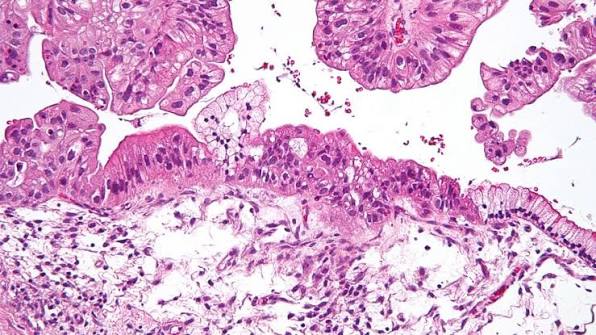
Frozen section is a quick tissue test done while surgery is still in progress. The surgeon sends a piece of tissue to the pathology lab. It gets flash frozen, sliced thin, stained and looked at under a microscope. The result comes back in 15 to 30 minutes, while the patient is still on the table. It tells the surgeon whether to take more tissue out, stop where they are, or change the plan entirely. Real time pathology, in other words.
According to Prof. Dr. Sandeep Nayak, Surgical Oncologist in India, “Frozen section is one of the most useful tools in cancer surgery because it changes the operation in real time. We don’t have to close up, wait a week for results and bring the patient back for a second surgery. The pathologist tells us right then whether the margin is clear, the lymph node is positive or the diagnosis is what we expected.”
One quick test in the OR can save a second surgery weeks later.
When Is a Frozen Section Used in Cancer Surgery?
Three big situations come up in oncology. Each one changes the plan on the spot.
- Margin check: During lumpectomy or other tumour removal, the surgeon sends the edge of the cut tissue for frozen section. If cancer cells sit at the edge, more tissue gets removed in the same operation.
- Lymph node status: Sentinel lymph node biopsy in breast cancer often uses frozen section. If the node is positive, the surgeon knows to clear more nodes during the same surgery.
- Diagnosis confirmation: When pre op biopsy isn’t conclusive or wasn’t done, frozen section confirms whether the lump is cancer or benign. Plan changes accordingly.
- Organ preservation calls: Sometimes frozen section decides whether to remove the whole organ or save part of it. Thyroid, parotid, ovary, pancreas, all common examples.
For patients whose surgery uses robotic precision alongside intraoperative pathology, robotic cancer surgery brings tight margin control with frozen section guiding each major decision.
How Accurate and Reliable Is Frozen Section?
Quick, useful, but not perfect. Final pathology is still the gold standard.
- High accuracy: Around 95 percent agreement with formal paraffin section pathology done later. Most surgical decisions made on frozen section turn out correct.
- Some limitations: Tissue gets distorted during freezing. Fat doesn’t freeze well. Small or sneaky cancer cells can be missed in rapid processing.
- Final report still: Tissue always goes for proper paraffin section after frozen. The full diagnosis comes 5 to 7 days later. That’s the real final result.
- Surgeon judgement: Pathologist gives the result, surgeon decides what to do. Both work together in real time, often discussing borderline findings before next steps.
For patients curious about what margin clear or positive actually means in the pathology report, our blog on surgical margin walks through each category.
Why Choose Dr. Sandeep Nayak for Your Cancer Care?
Dr. Sandeep Nayak has spent 24 years in surgical oncology. He holds DNB qualifications in Surgical Oncology and General Surgery and trained further with a fellowship in Laparoscopic and Robotic Onco Surgery. He uses frozen section routinely for margin checks, sentinel lymph node assessment and intraoperative diagnosis in breast, thyroid, head and neck, ovarian and other cancer surgeries, so patients avoid second operations whenever the science supports it.
That live, intraoperative decision making is what separates modern cancer surgery from the older wait and come back approach. Every case at MACS Clinic goes through tumour board review, where the surgical plan is set together. Call +91 8104310753 to book your consultation.
Frequently Asked Questions
What is a frozen section in surgery?
Rapid tissue analysis done during surgery to guide immediate decisions.
How long does frozen section take?
Usually 15 to 30 minutes while surgery continues in the room.
Why is frozen section needed?
To check tumour margins, lymph node status or confirm diagnosis.
How accurate is frozen section?
Around 95 percent accurate, confirmed by formal pathology afterward.
Disclaimer: This blog is for informational purposes only and is not a substitute for professional medical advice.
