
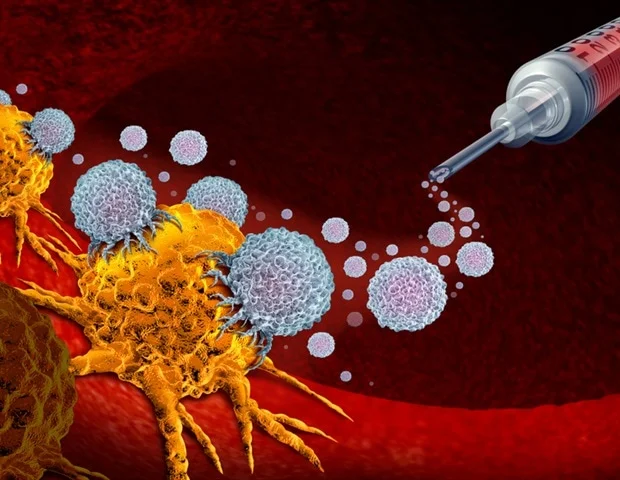
Immunosuppression means the immune system can’t fight infections the way it should. During cancer treatment, two things drive it. The cancer itself disrupts immune function, and chemotherapy wipes out the white blood cells that defend the body. The result? A minor cold becomes a hospitalisation risk. A small cut needs watching. Patients most patients sail through treatment, this immune window is the part that needs the most careful management.
According to Prof. Dr. Sandeep Nayak, Surgical Oncologist in India, “Immunosuppression during cancer treatment isn’t a rare complication. It’s an expected part of the process for most patients on chemotherapy. Chemo can’t tell cancer cells from white blood cells, so both take a hit. Managing that window carefully, watching for fever, avoiding infection sources, staying on supportive care, matters as much as the treatment itself.”
A fever during chemo isn’t minor. It’s a signal that needs same day attention.
What Causes Immunosuppression in Cancer Patients?
Cancer and its treatment both contribute. Often simultaneously.
- Chemotherapy: Chemo attacks fast dividing cells. Bone marrow, which produces white blood cells, divides fast. So it takes a direct hit. White cell count falls. The immune window opens.
- Radiation therapy: Radiation near or over bone marrow reduces blood cell production. Wide field radiation, pelvic or whole body, has the strongest suppressive effect on immunity.
- Steroids: Dexamethasone and prednisone are routinely used alongside cancer treatment. They control inflammation well. They also blunt the immune response at the same time.
- Cancer itself: Blood cancers like leukaemia and lymphoma invade the immune system directly. Solid tumours release inflammatory signals that throw immune regulation off, even before treatment begins.
For patients having surgery as part of their cancer plan, robotic cancer surgery reduces tissue trauma and blood loss, helping the immune system recover faster through the post operative period.
How Is Immunosuppression Managed During Treatment?
Active management, not passive watching.
- Neutropenia watch: White cells hit their lowest point, the nadir, around 7 to 14 days after a chemo cycle. Fever above 38°C during this window? Hospital, not home. That’s the rule.
- G-CSF injections: Filgrastim and pegfilgrastim push bone marrow to produce more white cells. Given after high risk chemo cycles to shorten how long the immune window stays open.
- Infection prevention: Handwashing. No crowds. No raw or undercooked food. Avoid visibly unwell people. Small habits that carry real weight when immunity is low.
- Vaccine timing: Live vaccines are off during active treatment. Flu and pneumococcal vaccines go in before chemo starts, or after immunity recovers. Timing matters.
For patients thinking about longer term planning once treatment ends, including how immune recovery affects decisions like pregnancy after cancer, the recovery timeline is a central part of that conversation.
Why Choose Dr. Sandeep Nayak for Your Cancer Care?
Dr. Sandeep Nayak has spent 24 years in surgical oncology. He holds DNB qualifications in Surgical Oncology and General Surgery, plus a fellowship in Laparoscopic and Robotic Onco Surgery. He coordinates surgery timing with the medical oncology team to avoid operating during the nadir window, and ensures supportive care for immune management is built into the treatment plan from the start.
Every case at MACS Clinic is reviewed by the multidisciplinary tumour board before treatment planning. Call +91 8104310753 to book your consultation.
Frequently Asked Questions
What is immunosuppression during cancer treatment?
A weakened immune system caused by cancer or its treatment.
Which treatments cause immunosuppression?
Chemotherapy, radiation, steroids and some targeted therapies.
How long does immunosuppression last?
Weeks to months after treatment depending on the drugs used.
How do patients protect themselves?
Hand hygiene, avoiding crowds, staying vaccinated and reporting fever promptly.
Disclaimer: This blog is for informational purposes only and is not a substitute for professional medical advice.
