
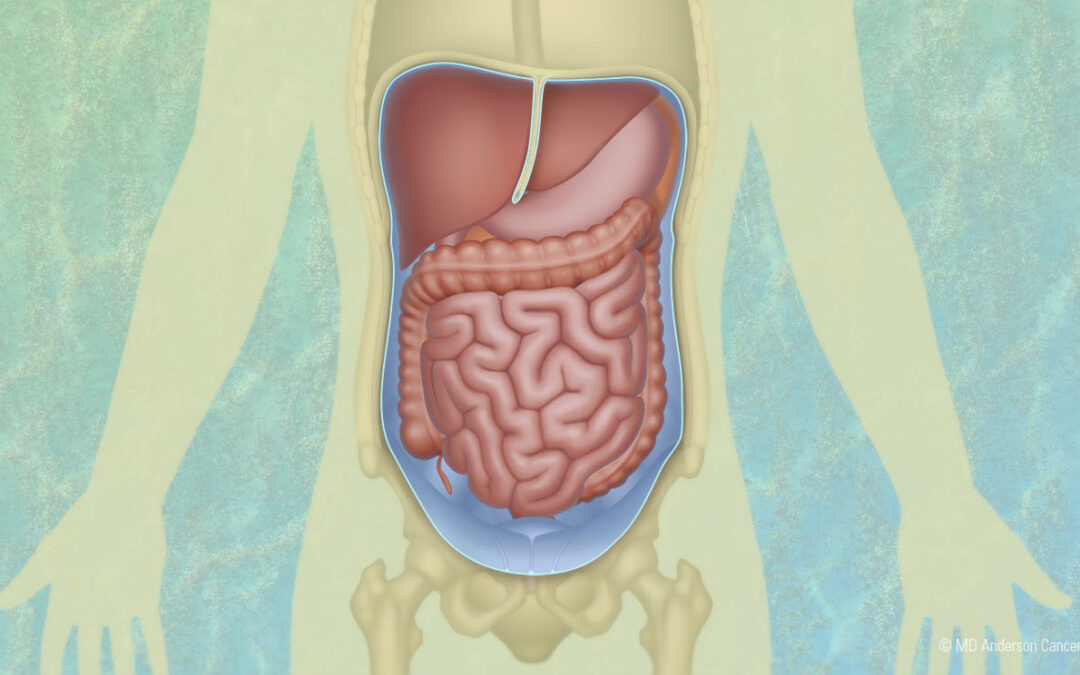
Peritoneal mesothelioma is a rare cancer that starts in the lining of the abdomen. That lining, the peritoneum, wraps the abdominal organs, and this cancer grows along it rather than in a single lump. It’s aggressive, and it’s nearly always tied to past asbestos exposure. The trouble is it stays quiet until it’s advanced.
According to Dr. Sandeep Nayak, Surgical Oncologist in India, “Peritoneal mesothelioma is one of the harder cancers to catch early. The symptoms are vague, bloating, abdominal discomfort, and they mimic far more common problems. By the time it’s found, it’s often spread across the peritoneum. But it isn’t untreatable. The right surgery with heated chemotherapy has genuinely changed what’s possible here.”
Worried about an unexplained abdominal swelling?
What Causes It and How Does It Show Up?
This cancer has a clear main trigger and a frustratingly quiet presentation.
- Asbestos : The big cause. Fibres swallowed or inhaled years ago lodge in the body and drive the disease decades later.
- Long delay : Mesothelioma can surface 20 to 40 years after exposure. The gap is why many patients never connect the two.
- Vague signs : Abdominal pain, bloating, a swollen belly from fluid, weight loss. None of it screams cancer, so it gets missed.
- Spread pattern : Rather than one tumour, it studs the peritoneum with nodules. That’s what makes it so tricky to treat.
Catching it needs imaging and a biopsy, and HIPEC treatment is the approach that’s reshaped survival for the right patients.
How Is Peritoneal Mesothelioma Treated?
For suitable patients, the modern approach is surgery paired with heated chemotherapy.
- Cytoreduction first : The surgeon removes as much visible disease from the abdomen as possible. The completeness of this drives the outcome.
- Heated chemo : Warmed chemotherapy is then washed through the abdominal cavity to kill what surgery can’t see. That’s the HIPEC part.
- Patient selection : It isn’t for everyone. The extent of spread and overall fitness decide who genuinely benefits from such major surgery.
- The payoff : For well selected patients, this combination has pushed survival from months into years. A real shift.
This is the same approach detailed in our work on cytoreductive surgery and HIPEC for cancers that spread across the peritoneum.
Why Choose Dr. Sandeep Nayak for Peritoneal Mesothelioma Care?
Dr. Sandeep Nayak is a surgical oncologist with 24 years behind him and a fellowship in laparoscopic and robotic onco-surgery. He’s among India’s most experienced HIPEC surgeons, having performed cytoreductive surgery for peritoneal disease from mesothelioma, appendix, colorectal and ovarian cancers. The work starts with honest patient selection, since this surgery only helps when the disease and the patient are right for it. That judgement is where the real expertise sits.
Mesothelioma rewards experience more than almost any cancer. The completeness of cytoreduction is the single biggest factor in how long a patient lives, and that completeness comes down to the surgeon’s skill in the abdomen. A thorough operation followed by HIPEC offers a chance that simply didn’t exist a generation ago.
Frequently Asked Questions
Is peritoneal mesothelioma a cancer?
Yes. It’s a rare, aggressive cancer that arises in the lining of the abdomen.
What causes peritoneal mesothelioma?
Asbestos exposure is the main known cause, though some cases have no clear link.
What are the early symptoms?
Vague abdominal pain, bloating, swelling and weight loss, which is why diagnosis often gets delayed.
How is peritoneal mesothelioma treated?
Cytoreductive surgery with heated chemotherapy, called HIPEC, is the standard for suitable patients.
References
- Diffuse malignant peritoneal mesothelioma pathway — National Library of Medicine
- Peritoneal mesothelioma surgical outcomes — National Library of Medicine
Disclaimer: This blog is for informational and educational purposes only and is not a substitute for professional medical advice or diagnosis.
