
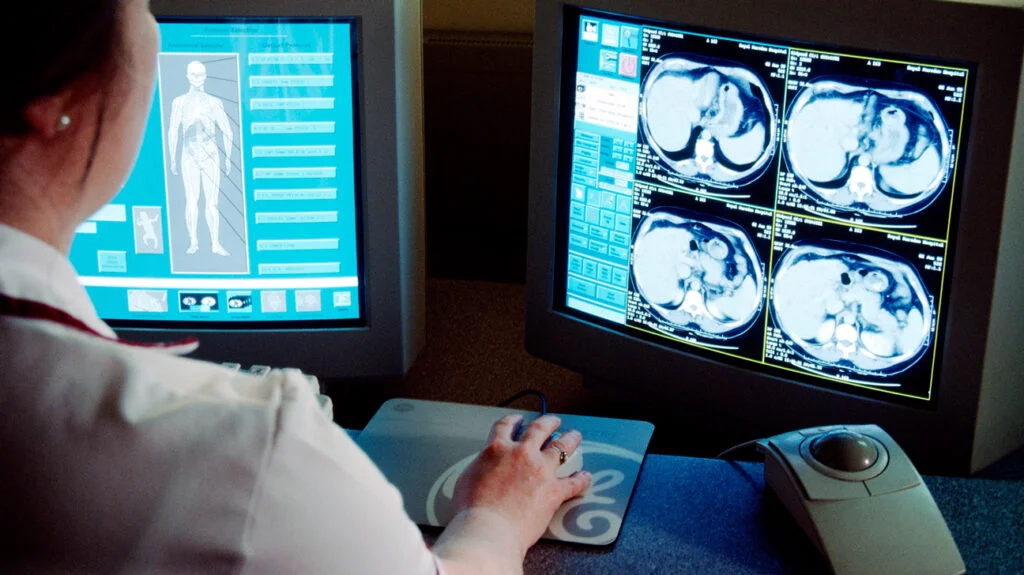
Some cancers grow inside organs that simply have no way to raise an alarm. The pancreas, ovaries, kidneys and liver hold very few pain nerves, and there’s loose space around them, so a tumour can sit and expand for months without pressing on anything that would actually hurt. By the time mild fatigue, bloating or a vague back ache shows up, the cancer is often already past the early stage. Catching these in time means screening high risk people, not waiting for symptoms.
According to Prof. Dr. Sandeep Nayak, Surgical Oncologist in India, “Silent cancers stay silent because the organs they start in have room to grow and no pain signals to trigger. By the time symptoms appear, the disease has often crossed into late stages. This is exactly why family history matters and why high risk groups should screen rather than wait for warning signs that may never come early enough.”
Don’t wait for symptoms that may never arrive early enough.
Why Do These Cancers Stay Hidden So Long?
The biology of where they grow gives them an unfair head start.
- No pain nerves: The pancreas, ovaries and liver carry very few pain sensors inside them. A tumour can grow there for months and nothing inside the body raises a flag.
- Plenty of space: The abdomen has loose room around organs. Tumours expand for ages before pressing on anything important enough to actually hurt.
- Vague early signs: When something does turn up, it’s mild fatigue, a bit of bloating, dull back ache. The same things a dozen everyday issues cause. Nobody links it to cancer.
- Spread feels normal: By the time symptoms appear properly, the cancer has often already moved into lymph nodes or other organs. What the patient feels is just general unwellness, not a clear warning.
For patients caught at a treatable stage, robotic cancer surgery brings precise tumour removal even in deep, tricky areas like the pancreas or pelvis.
What Can Be Done to Catch Silent Cancers Early?
Smart, targeted screening is the answer. Not generic worry.
- Know your risk: Family history of cancer, BRCA or Lynch syndrome, long term smoking, chronic pancreatitis, hepatitis. Any of these pushes you into a group worth screening on purpose.
- Targeted scans: Ultrasound, CT or MRI done at the right intervals catches kidney, ovarian and pancreatic tumours earlier than symptom watching ever does.
- Blood markers: Tumour markers like CA 125 for ovarian or CA 19 9 for pancreatic, paired with imaging, help spot suspicious cases in higher risk patients.
- Listen to vague signs: Bloating that doesn’t settle in two weeks. Weight dropping for no reason. New mid back pain that doesn’t fit a posture cause. Worth a specialist’s eyes, not another month of waiting.
To understand which cancer types tend to be hardest to catch and treat, our blog on the most dangerous cancers walks through why some stay hidden longest.
Why Choose Dr. Sandeep Nayak for Your Cancer Care?
Dr. Sandeep Nayak has spent 24 years in surgical oncology, with DNB qualifications in Surgical Oncology and General Surgery and a fellowship in Laparoscopic and Robotic Onco Surgery. He builds screening plans for high risk patients, takes vague but persistent symptoms seriously instead of brushing them off and uses robotic precision to remove tumours in the deep, hard to reach organs where silent cancers usually start.
That kind of proactive screening plus minimally invasive surgery is what genuinely changes outcomes here. Every case at MACS Clinic goes through a full tumour board, where the treatment plan is set together. Call +91 8104310753 to book your consultation.
Frequently Asked Questions
Why do some cancers have no symptoms early?
They grow in deep organs with no nerves, room to expand.
Which cancers are most silent?
Pancreatic, ovarian, kidney, lung, liver and some brain cancers.
Can silent cancers be detected early?
Yes, through targeted screening for high risk individuals only.
What screening helps catch silent cancers?
CT scans, ultrasounds, blood markers and tumour specific tests.
Disclaimer: This blog is for informational purposes only and is not a substitute for professional medical advice.
