
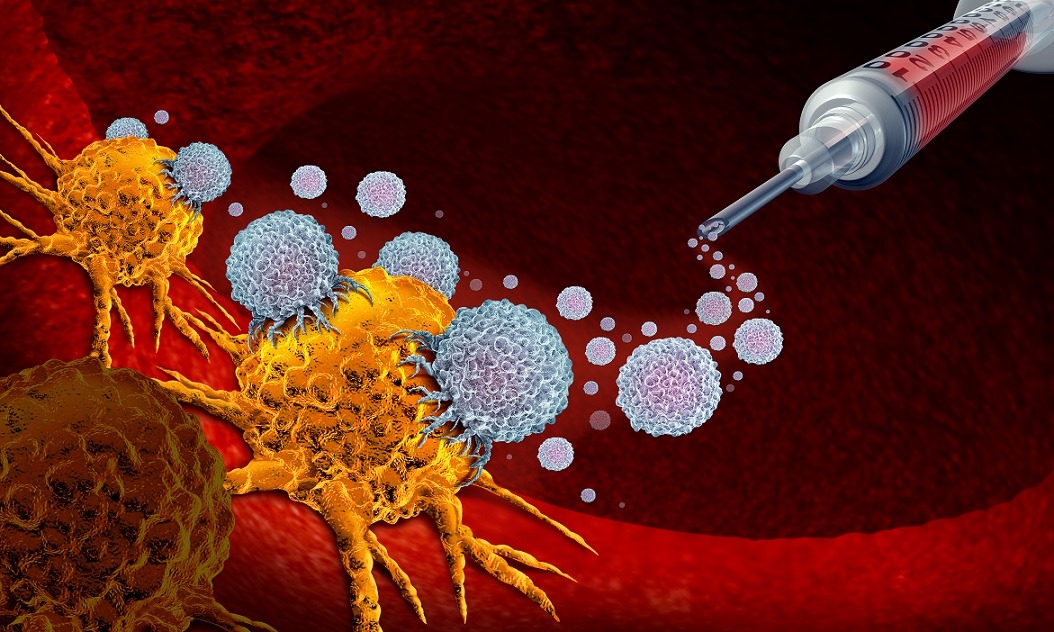
Cancer comes back when microscopic cells survive the original treatment, stay dormant for months or years, and eventually start growing again. It happens because treatment can’t always reach every cell, not because anything was done wrong. Recurrence is most likely in the first two to five years after treatment, which is why follow-up is so structured. Recurrent cancer is still treatable, often successfully, with options tailored to where and how it returns.
According to Prof. Dr. Sandeep Nayak, Surgical Oncologist in India, “Recurrence is the question every cancer patient lives with quietly, and the honest answer is that it’s about cancer’s biology, not anyone’s failure. I tell patients the goal of follow-up isn’t to wait for bad news, it’s to catch any return early, when we still have all our options.”
Worried about recurrence after treatment?
Why Does Cancer Return?
The reasons are biological, not personal. Here’s what’s actually happening when cancer comes back.
- Hidden cells: Even after successful treatment, microscopic cancer cells can remain in the body, too few to detect on scans but enough to grow back later.
- Dormant period: These cells may stay quiet for months or years before becoming active again, which is why recurrence can happen long after treatment ends.
- Treatment limits: Surgery, chemo and radiation can’t always reach every single cell, especially those that have already entered the bloodstream or lymph system.
- Tumour biology: Some cancers carry genetic features that make them more likely to come back than others, which is why grade and subtype matter so much.
So recurrence reflects how cancer behaves, not anything you did wrong. For patients whose treatment included surgery, robotic cancer surgery gives the precise clearance that lowers local recurrence risk from the start.
How Is Recurrence Caught Early?
A structured follow-up plan is what catches return early, when treatment options are widest.
- Regular follow-up: Scheduled visits during the first five years aren’t routine bureaucracy, they’re the exact window when recurrence is most likely and most treatable.
- Targeted scans: Imaging like CT, MRI or PET is used at planned intervals based on your specific cancer type, rather than the same schedule for everyone.
- Marker trends: Blood tumour markers are tracked over visits, since a rising trend often signals recurrence weeks or months before scans show anything.
- Symptom awareness: Knowing the specific symptoms to watch for, by cancer type, helps you flag any genuine change early rather than worrying about every ache.
So follow-up is your early-warning system, not a formality. For hormone-receptor-positive cancers, the recurrence pattern follows specific biology, which is where understanding your IHC test becomes part of knowing what’s actually being tracked and why.
Why Choose Dr. Sandeep Nayak for Your Cancer Care?
Dr. Sandeep Nayak brings 24 years of surgical oncology experience, DNB qualifications in Surgical Oncology and General Surgery and a fellowship in Laparoscopic and Robotic Onco-Surgery to the care of patients through every stage of treatment and follow-up. He builds structured follow-up plans tailored to each cancer’s recurrence pattern, so patients aren’t left guessing what to watch for or when to worry.
That structured follow-up is what catches recurrence early, when it’s still highly treatable. Every case at MACS Clinic goes through a full tumour board, where the follow-up plan is set with the same care as the treatment plan. Call +91 8104310753 to book your consultation.
Frequently Asked Questions
Why does cancer come back after treatment?
Microscopic cells can survive treatment and grow again later.
Does recurrence mean treatment failed?
No, it reflects cancer biology, not a treatment mistake.
When is recurrence most likely?
Within the first two to five years after treatment ends.
Can recurrent cancer be treated?
Yes, often successfully, with options tailored to the recurrence.
References:
- National Cancer Institute — Recurrent Cancer: When Cancer Comes Back. https://www.cancer.gov/
- World Health Organisation — Cancer. https://www.who.int/news-room/fact-sheets/detail/cancer
