

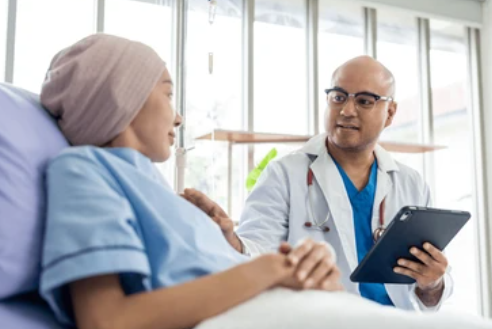
Cancer diagnosis requires a series of tests including imaging studies, lab work, and biopsies to verify a diagnosis. Biopsies, imaging studies (CT scans, MRI, PET scans, ultrasound), and other screenings like Pap smears, mammograms, and colonoscopies are primary diagnostic tools. Blood work looks for the presence of tumor markers, such as PSA in prostate cancer.
According to Dr. Sandeep Nayak, surgical oncologist in Bangalore,
“Cancer diagnosis relies on blood tests, imaging, and biopsy; skipping any step can lead to inaccurate staging and treatment.”
What Are the Most Important Tests Used to Diagnose Cancer?
Knowing which cancer diagnostic tests are available helps patients understand what to expect when consulting an oncologist in Bangalore.
- Complete Blood Count: A basic blood test that measures red cells, white cells, and platelets, helping detect blood cancers like leukaemia and lymphoma at an early stage.
- Tumour Marker Tests: Blood tests measuring proteins like CEA, CA-125, PSA, AFP, and CA 19-9 indicate the presence of specific cancers including colorectal, ovarian, prostate, and liver cancers.
- Biopsy: The definitive cancer diagnostic test where a tissue sample is surgically or needle-extracted from a suspected tumour and examined under a microscope to confirm malignancy.
- CT Scan: A detailed cross-sectional imaging test that identifies tumour size, location, lymph node involvement, and distant metastasis across multiple organ systems simultaneously.
In select cases requiring surgical intervention, advanced options such as robotic surgery offer precision, minimal invasiveness, and improved recovery outcomes.
What Are the Key Differences Between Basic and Advanced Cancer Diagnostic Tests?
Understanding the difference between screening tests and confirmatory tests helps patients navigate the cancer diagnosis process more effectively.
- Visibility / Precision: Basic blood tests provide initial indicators of cancer, while advanced molecular profiling and PET-CT scans precisely map tumour location, size, and spread.
- Success Rates: Cancers confirmed through comprehensive testing including biopsy and molecular profiling have significantly better cancer treatment outcomes than those treated on imaging alone [VERIFY: NCI data].
- Recovery Time: Non-invasive tests like blood work and CT scans require no recovery time, while surgical biopsy procedures may require 24 to 48 hours of monitored rest.
- Complex Case Suitability: Advanced cancers with unclear primary origin or multiple metastatic sites require liquid biopsy, next-generation sequencing, and full molecular profiling for accurate cancer treatment planning.
Dr. Sandeep Nayak follows a structured diagnostic protocol for every patient, selecting the most appropriate combination of tests based on symptoms, clinical examination, and suspected cancer type to ensure no malignancy goes undetected or understaged.
Why Choose Dr. Sandeep Nayak for Cancer Treatment in Bangalore?
Dr. Sandeep Nayak follows a precision-based diagnostic approach to cancer treatment, combining thorough clinical evaluation, advanced imaging, tissue biopsy, and molecular profiling to ensure every patient receives an accurate and complete cancer diagnosis before any treatment decision is made. With 24+ years of experience across gastrointestinal, thoracic, head and neck, and thyroid cancers, he ensures the right tests are ordered at the right time to avoid diagnostic delays. Every patient receives a personalized cancer treatment plan built on a foundation of accurate staging and comprehensive diagnostic workup.
Frequently Asked Questions
Can a blood test alone confirm cancer diagnosis?
No, blood tests indicate cancer risk but a confirmed diagnosis always requires tissue biopsy examined by a pathologist to establish malignancy definitively.
Is a PET scan necessary for all cancer patients?
Not always PET scans are recommended for staging, treatment planning, and monitoring response in specific cancer types based on specialist assessment.
How long does it take to get cancer test results in India?
Basic blood tests take 24 to 48 hours, while biopsy and molecular profiling results typically take 5 to 14 working days depending on the laboratory.
Which cancer test should I get first if I have symptoms?
A complete blood count, tumour marker panel, and relevant imaging scan are the standard first-line investigations recommended by an oncologist for initial cancer evaluation.
Reference links:
-
National Cancer Institute – Tests to Diagnose Cancer
https://www.cancer.gov/about-cancer/diagnosis-staging/diagnosis -
Centers for Disease Control and Prevention – How Cancer Is Diagnosed
https://www.cdc.gov/cancer/dcpc/resources/features/cancer-diagnosis/index.htm
Disclaimer: The information shared in this content is for educational purposes and not for promotional use.

