
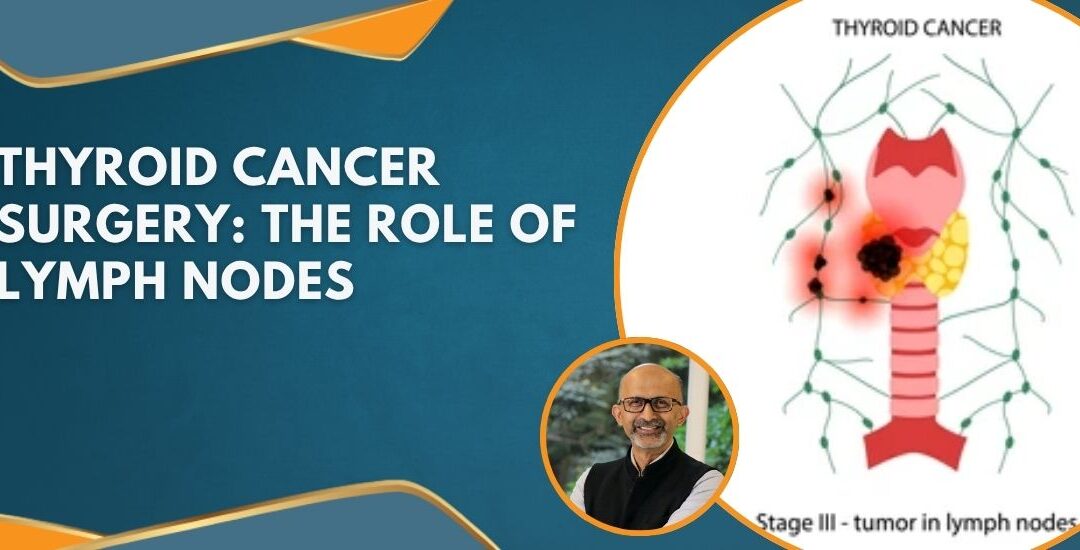
Thyroid cancer is one of the more treatable cancers, with excellent survival rates when caught and managed early. But successful treatment depends on more than just removing the thyroid gland. One critical factor often decides long-term outcomes: the lymph nodes. When thyroid cancer spreads, the nearby lymph nodes in the neck are usually the first place it travels. This is why assessing and, when needed, removing affected nodes is a central part of thyroid cancer surgery.
Dr. Sandeep Nayak, a respected surgical oncologist in India and founder of MACS Clinic, Bangalore, explains:
Treating the thyroid alone is not enough if cancer has reached the lymph nodes. Properly evaluating and clearing involved nodes is what prevents recurrence and gives patients the best chance of a complete cure.
With over two decades of experience, Dr. Sandeep Nayak is recognised for proficiency in robotic and minimally invasive thyroid cancer surgery in Bangalore. A pioneer of scarless thyroidectomy techniques, he combines precise lymph node management with advanced surgical methods to deliver thorough cancer control while protecting the voice, parathyroid glands, and quality of life. His approach focuses not only on removing the cancer completely but also on preserving everything that matters for a patient’s daily life after surgery.
In this blog, we’ll discuss the vital role lymph nodes play in thyroid cancer surgery and what patients should understand before their procedure.
What Are Lymph Nodes and Why Do They Matter
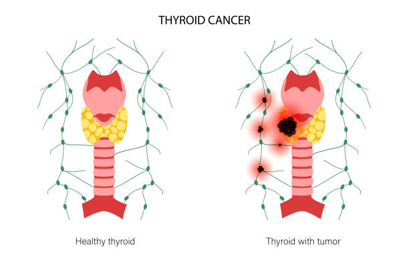
Lymph nodes are small, bean-shaped structures that form part of the body’s immune system. In thyroid cancer, they take on special importance:
- Filtering stations. They trap bacteria, viruses, and abnormal cells, acting as the body’s defence checkpoints.
- First stop for the spread. Thyroid cancer most often spreads first to the lymph nodes in the neck.
- Indicators of disease. Involved nodes signal how far the cancer has progressed and guide treatment.
- Treatment targets. Removing cancerous nodes is key to preventing the disease from coming back.
Concerned about whether cancer has spread? Get a clear evaluation from a specialist today.
How do doctors check the nodes before operating? Let’s discover how assessment works.
Lymph Node Assessment Before Surgery
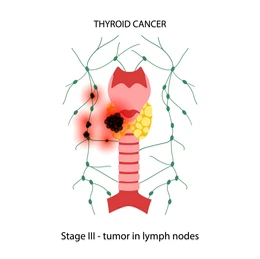
Before any surgery, the surgeon needs a clear picture of whether the lymph nodes are involved. This assessment shapes the entire surgical plan:
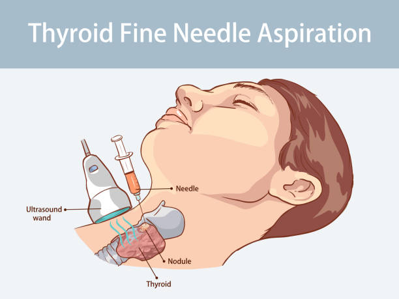
- Ultrasound scans. A high-resolution neck ultrasound is the first step to spot suspicious nodes.
- Fine needle aspiration. A small sample from a node confirms whether cancer cells are present.
- CT or other imaging. Additional scans may map deeper or more extensive node involvement.
- Surgical planning. Findings determine whether node removal is needed and, if so, how extensive it should be.
Accurate assessment ensures the right nodes are treated, which is central to effective thyroid cancer surgery in Bangalore at MACS Clinic.
What does node surgery actually involve? Let’s dive into the different types.
Types of Lymph Node Surgery in Thyroid Cancer
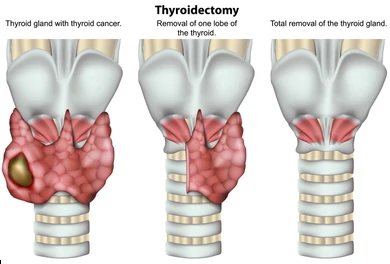
When lymph nodes are involved, the surgeon removes them through a procedure called neck dissection. The type depends on which nodes are affected:
- Central neck dissection. Removes nodes in the central compartment near the thyroid, the most common site of spread.
- Lateral neck dissection. Removes nodes along the sides of the neck when cancer has spread further.
- Selective dissection. Targets only specific node groups proven or likely to contain cancer.
- Combined with thyroidectomy. Node removal is usually performed during the same operation as thyroid removal.
Facing thyroid surgery and unsure what it involves? Connect with an experienced specialist for a clear plan today.
Want to know how removing nodes actually helps? Let’s explore the impact on outcomes.
How Lymph Node Removal Improves Outcomes
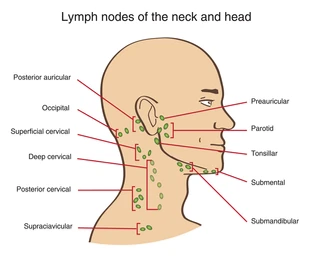
Removing cancerous lymph nodes is not just about clearing visible disease; it shapes the entire prognosis:
- Lowers recurrence. Clearing involved nodes greatly reduces the chance of cancer returning.
- Accurate staging. Examining removed nodes reveals the true extent of the cancer.
- Guides further treatment. Node findings help decide if radioactive iodine therapy is needed.
- Improves survival. Thorough node management supports better long-term outcomes.
These benefits make expert node management a cornerstone of comprehensive cancer treatment in Bangalore at MACS.
Worried about the downsides of node surgery? Let’s discuss the risks honestly.
Risks and Considerations
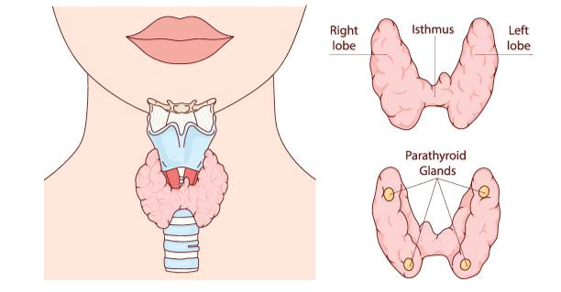
Like any surgery, lymph node removal carries some risks, though experienced hands minimize them:
- Nerve injury. The voice nerve runs nearby, so skilled dissection is needed to protect it.
- Parathyroid impact. Central node removal can affect calcium-regulating glands, sometimes temporarily.
- Lymph fluid issues. Extensive dissection may occasionally cause fluid buildup or drainage concerns.
- Surgeon experience matters. Outcomes improve significantly when an expert performs the procedure.
The key is choosing a surgeon who balances thorough cancer clearance with careful protection of surrounding structures.
Conclusion
Lymph nodes play a decisive role in thyroid cancer surgery. They are often the first place the cancer spreads, the key to accurate staging, and a major factor in preventing recurrence. Proper assessment before surgery and skilled removal when needed can make the difference between a partial treatment and a complete cure.
The surgeon’s expertise ties it all together, balancing thorough cancer control with protection of the voice and surrounding glands. Dr. Sandeep Nayak, with his specialisation in robotic and minimally invasive thyroid surgery, offers exactly this level of care, helping patients achieve the best possible outcome.
Frequently Asked Questions
1. Why are lymph nodes important in thyroid cancer?
They are usually the first place thyroid cancer spreads, making them key to staging and preventing recurrence.
2. Does every thyroid cancer surgery involve lymph node removal?
No. Nodes are removed only when imaging or testing shows they are involved or at high risk.
3. Is lymph node removal done in the same surgery as thyroidectomy?
Yes, in most cases, node removal is performed during the same operation as thyroid removal.
4. Does removing lymph nodes prevent cancer from returning?
Clearing involved nodes significantly lowers the risk of recurrence, though follow-up care is still essential.
5. Will lymph node removal affect my voice?
The voice nerve runs nearby, but an experienced surgeon takes care to protect it during dissection.
Disclaimer: The information shared in this content is for educational purposes and not for promotional use.
