
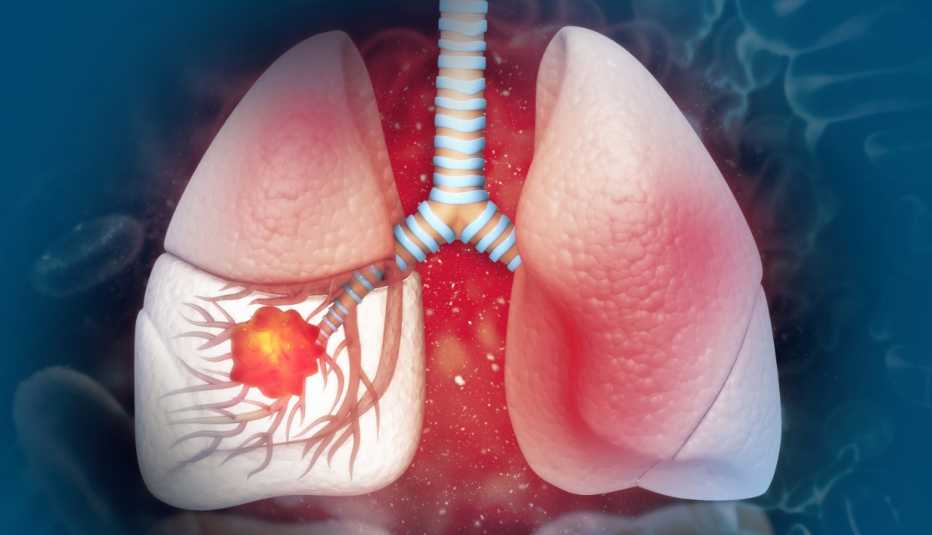
The difficult truth is lung cancer often has no early signs, which is exactly why it’s caught late. When signs do appear, the ones to watch are a cough that lingers or changes, breathlessness, chest pain worse on breathing, coughing up blood, and hoarseness. Recurrent chest infections and unexplained weight loss can feature too. These are easy to dismiss, and that’s the danger. Persistence is the signal to get checked.
According to Dr. Sandeep Nayak, Surgical Oncologist in India, “The hard part with lung cancer is that early on, it often whispers rather than shouts. A cough that won’t quit gets blamed on the weather or a lingering cold. But a cough lasting more than three weeks, or one that changes, deserves a look, especially in a smoker. None of these signs are dramatic. That’s exactly why people ignore them, and why we catch this cancer later than we should.”
Have a cough or symptom that just won’t clear?
What Signs Should You Watch For?
These are the warning signs worth taking seriously, especially if they persist.
- A lasting cough : A cough that hangs on beyond three weeks, or an old smoker’s cough that suddenly changes, is the most common early clue.
- Coughing blood : Even a small amount of blood or rust coloured phlegm is a red flag. This one always needs prompt checking.
- Breathlessness : Getting unusually short of breath during everyday activities, without another clear cause, can be an early sign worth investigating.
- Chest pain : Pain that worsens with breathing, coughing or laughing, and doesn’t settle, is another signal not to brush aside.
Catching these early is what makes effective lung cancer treatment possible, since the stage at diagnosis shapes almost everything that follows.
Why Are These Signs Missed?
The reasons lung cancer slips past early detection come down to how ordinary its signs seem.
- Non specific : A cough, tiredness, breathlessness. These overlap with dozens of harmless conditions, so cancer is rarely the first thought.
- Silent early : Small tumours often cause nothing at all. By the time symptoms appear, the cancer may already be more advanced.
- Blamed on smoking : Smokers often write off a cough as normal for them, missing the change that actually matters. The habit masks the warning.
- Slow creep : The signs build gradually rather than suddenly, so people adjust and adapt instead of getting checked. Weeks slip by.
Because smoking both causes the cancer and hides its signs, understanding smoking and lung cancer is central to knowing your own risk.
Why Choose Dr. Sandeep Nayak for Lung Cancer Care?
Dr. Sandeep Nayak is a surgical oncologist with 24 years behind him and a fellowship in laparoscopic and robotic onco-surgery. He treats lung cancer with VATS and robotic thoracic surgery, and he sees early recognition as the part that changes outcomes most. The approach starts with taking persistent symptoms seriously rather than waiting, since a lung cancer caught while still operable is a completely different situation from one found late.
The whole battle with lung cancer is timing. A tumour found early, while it’s small and contained, can often be removed with a real chance of cure. The same cancer found months later, after the signs were dismissed, is a far harder fight. Knowing which symptoms to act on, and not waiting for them to become dramatic, is the single most useful thing a person at risk can do.
Frequently Asked Questions
What are the early signs of lung cancer?
A persistent cough, breathlessness, chest pain, coughing blood or hoarseness are key signs.
Does lung cancer have early symptoms?
Often not. Early lung cancer can be silent, which is why it’s caught late.
When should a cough be checked?
A cough lasting more than three weeks, or one that changes, should be checked.
Who should watch for these signs?
Smokers and former smokers especially, but non smokers with persistent symptoms too.
References
- Early symptoms as predictors of lung cancer — National Library of Medicine
- Early bodily sensations prior to lung cancer diagnosis — National Library of Medicine
Disclaimer: This blog is for informational and educational purposes only and is not a substitute for professional medical advice or diagnosis.
