



Colon cancer is one of the most common cancers worldwide, yet it is also one of the most treatable when caught early. The challenge is that its earliest signs are quiet, easily mistaken for piles, indigestion, or a passing stomach upset. Many people wait months before seeking help, and by then the cancer has often progressed. Recognizing the warning signs matters enormously, because early-stage colon cancer has excellent cure rates while advanced disease is far harder to treat.
Dr. Sandeep Nayak, an esteemed oncologist in India, states, “Most patients I see with advanced colon cancer had symptoms for months. They dismissed the bleeding as piles or the fatigue as stress. Acting on these signs early can completely change the outcome.”
With over two decades of experience, Dr. Sandeep Nayak is recognized for his pioneering work in robotic and laparoscopic cancer surgery in India. He has treated thousands of colon cancer patients at the MACS Clinic, Bangalore. His emphasis on early detection reflects a hard-won truth: the sooner these symptoms are acted on, the better the outcome.
In this blog, we’ll explore the 5 colon cancer symptoms that deserve prompt medical attention.
Why Colon Cancer Symptoms Are Often Missed
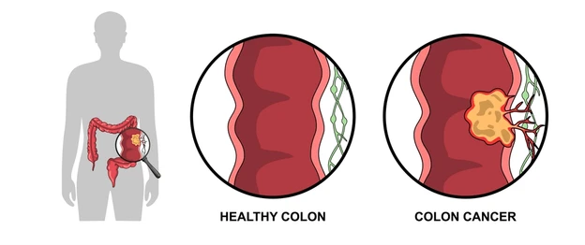
Colon cancer rarely announces itself dramatically. Its symptoms overlap with everyday, harmless conditions, which is exactly why it is so often delayed:
- They mimic common problems. Bleeding is blamed on piles, cramps on indigestion, and fatigue on stress.
- Early stages are silent. Small tumors may cause no symptoms at all for months or years.
- Symptoms come and go. Intermittent signs make people assume the problem has resolved.
- Embarrassment delays action. Many hesitate to discuss bowel or rectal symptoms with a doctor.
- Younger patients dismiss risk. Rising rates in people under 50 mean age alone is no longer reassuring.
The result is that many patients present late, when treatment becomes far more complex.
Spotted blood where it should not be? Let’s discuss the most alarming and most ignored sign.
Symptom 1: Blood in Stool or Rectal Bleeding
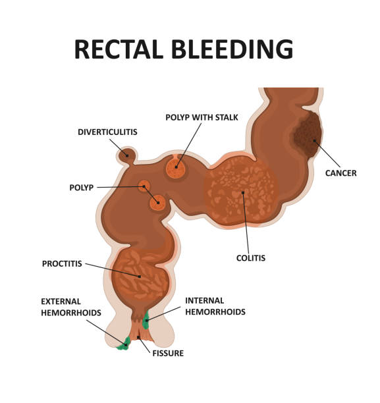
This is the single most important symptom, and unfortunately, the most commonly dismissed. Any bleeding from the rectum warrants evaluation.
- What to look for. Bright red blood, dark or tarry stools, or blood mixed within the stool.
- Why is it missed? Most people assume it is piles, which are extremely common.
- Why it matters: piles and colon cancer can look identical from the outside. Only an investigation can tell them apart.
- The rule. Never assume bleeding is harmless, particularly if it persists or recurs.
Even if you have known piles, new or changing bleeding should always be checked by a doctor.
Noticed rectal bleeding? Do not wait and wonder. Get it evaluated by a specialist today.
Have your washroom habits shifted recently? Let’s dive into what that could mean.
Symptom 2: Change in Bowel Habits

A persistent shift in your normal bowel pattern is a significant warning sign, especially when it lasts more than a few weeks.
- What to look for. New constipation, ongoing diarrhea, or alternating between the two.
- Narrow stools. Pencil-thin or ribbon-like stools may indicate a narrowing of the bowel.
- Incomplete emptying. A persistent feeling that the bowel has not fully emptied.
- Duration matters. Changes lasting beyond four weeks need investigation.
Occasional variation is normal. A sustained, unexplained change is not.
Is your abdomen persistently uncomfortable? Let’s discover when pain becomes a red flag.
Symptom 3: Abdominal Pain, Cramps, or Bloating

Ongoing abdominal discomfort is easy to attribute to diet or gas, but persistence changes the picture.
- What to look for. Cramping, persistent bloating, or a dull ache that does not resolve.
- A trapped feeling. Discomfort that worsens after eating may signal partial obstruction.
- Not relieved by usual remedies. Pain unresponsive to antacids or dietary changes is concerning.
- Duration matters. Symptoms lasting weeks rather than days need assessment.
Persistent abdominal symptoms with no clear cause deserve a proper evaluation.
Losing weight without trying? Let’s explore why that is rarely good news.
Symptom 4: Unexplained Weight Loss

Losing weight without changing your diet or activity levels is a classic warning sign across many cancers, including colon cancer.
- What counts. Losing more than five percent of body weight over six months without trying.
- Why does it happen? Cancer alters metabolism and can affect appetite and nutrient absorption.
- Often overlooked. Many people welcome unexpected weight loss rather than question it.
- Combined signs. Weight loss alongside bowel changes or fatigue is particularly significant.
Unintentional weight loss should never be celebrated without first being explained.
Feeling exhausted for no clear reason? Let’s discuss the symptom hiding in your blood.
Symptom 5: Weakness, Fatigue, or Anemia

Persistent tiredness is often the first sign of slow, hidden bleeding from a colon tumor causing iron-deficiency anemia.
- What to look for. Unusual fatigue, breathlessness, dizziness, or pale skin.
- The hidden cause. Slow bleeding from a tumor can deplete iron without visible blood in stool.
- Common in men and older women. Unexplained iron-deficiency anemia in these groups always requires bowel investigation.
- Blood tests reveal it. A simple test can identify anemia long before other symptoms appear.
“Unexplained anemia is a signal that should never be treated with iron tablets alone without finding the cause,” advises Dr. Sandeep Nayak, an experienced oncologist in Bangalore.
Feeling persistently tired or unwell? Connect with an expert for a thorough evaluation today.
Do these warnings apply more to some people than others? Let’s discuss who needs extra vigilance.
Who Should Be More Careful About These Symptoms?
Certain groups carry a higher risk and should act on symptoms without delay:
- Age over 45. Risk rises significantly with age, and screening is now recommended from 45.
- Family history. A parent or sibling with colorectal cancer or polyps raises your risk considerably.
- Genetic syndromes. Lynch syndrome and familial adenomatous polyposis carry a very high risk.
- Inflammatory bowel disease. Long-standing ulcerative colitis or Crohn’s disease increases risk.
- Lifestyle factors. Obesity, smoking, heavy alcohol use, and high processed meat intake all contribute.
- Younger adults. Rates are rising in people under 50, so age should not be reassuring on its own.
If you fall into any of these groups, symptoms warrant faster investigation, not watchful waiting.
Worried about your symptoms? Let’s explore the tests that can find cancer early.
What Tests Can Help Detect Colon Cancer Early?
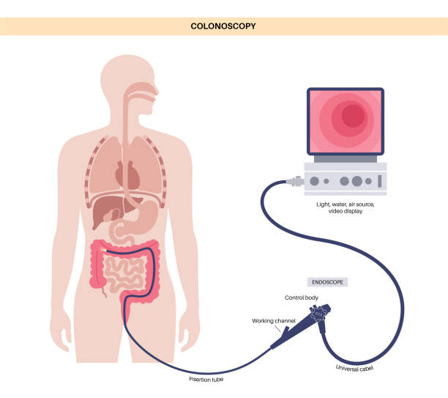
Early detection saves lives, and the available tests are safe, effective, and widely accessible:
- Colonoscopy. The gold standard. It visualizes the entire colon and allows removal of polyps during the procedure.
- Fecal occult blood test (FOBT/FIT). A simple stool test detecting hidden blood.
- CT colonography. A scan-based alternative for those unable to undergo a colonoscopy.
- Blood tests. Full blood count for anemia and CEA as a tumor marker.
- Tissue sampling during colonoscopy confirms the diagnosis definitively.
A colonoscopy remains the most reliable route to early diagnosis, and it can prevent cancer entirely by removing precancerous polyps. Expert evaluation is central to effective colon cancer treatment in Bangalore at MACS Clinic.
Conclusion
Colon cancer symptoms are quiet, ordinary, and easy to explain away, which is precisely what makes them dangerous. Rectal bleeding, persistent bowel changes, ongoing abdominal discomfort, unexplained weight loss, and unexplained fatigue or anemia all deserve prompt medical attention rather than months of waiting.
None of these symptoms means you have cancer, but each means you should find out. Early-stage colon cancer has excellent cure rates, and screening can even prevent it altogether by removing polyps before they turn cancerous. Dr. Sandeep Nayak and his team provide expert evaluation and advanced cancer treatment in Bangalore, helping patients act early when it matters most.
Frequently Asked Questions
1. What are the earliest symptoms of colon cancer?
Blood in stool, changes in bowel habits, abdominal discomfort, unexplained weight loss, and unexplained fatigue are the earliest signs.
2. Is blood in stool always colon cancer?
No. Piles and fissures are more common causes, but bleeding should always be investigated to rule out cancer.
3. Can colon cancer occur without any symptoms?
Yes. Early-stage colon cancer is often silent, which is why regular screening is so important.
4. At what age should colon cancer screening begin?
Screening is generally recommended from age 45, or earlier for those with a family history or high-risk conditions.
5. How long do colon cancer symptoms last?
Symptoms that persist beyond four weeks, particularly bowel changes or bleeding, need medical evaluation.
6. Can young people get colon cancer?
Yes. Rates are rising in adults under 50, so symptoms should never be dismissed based on age alone.
7. What is the most reliable test for colon cancer?
Colonoscopy is the gold standard, as it examines the entire colon and allows polyp removal and biopsy.
8. Does unexplained anemia mean colon cancer?
Not necessarily, but unexplained iron-deficiency anemia should always prompt investigation of the bowel.
Reference Links:
- American Cancer Society – Colorectal Cancer Signs and Symptoms
- National Cancer Institute – Colorectal Cancer Screening
Disclaimer: The information shared in this content is for educational purposes and not for promotional use.

