What Happens If Cancer Is Found During Surgery?

What Happens If Cancer Is Found During Surgery?

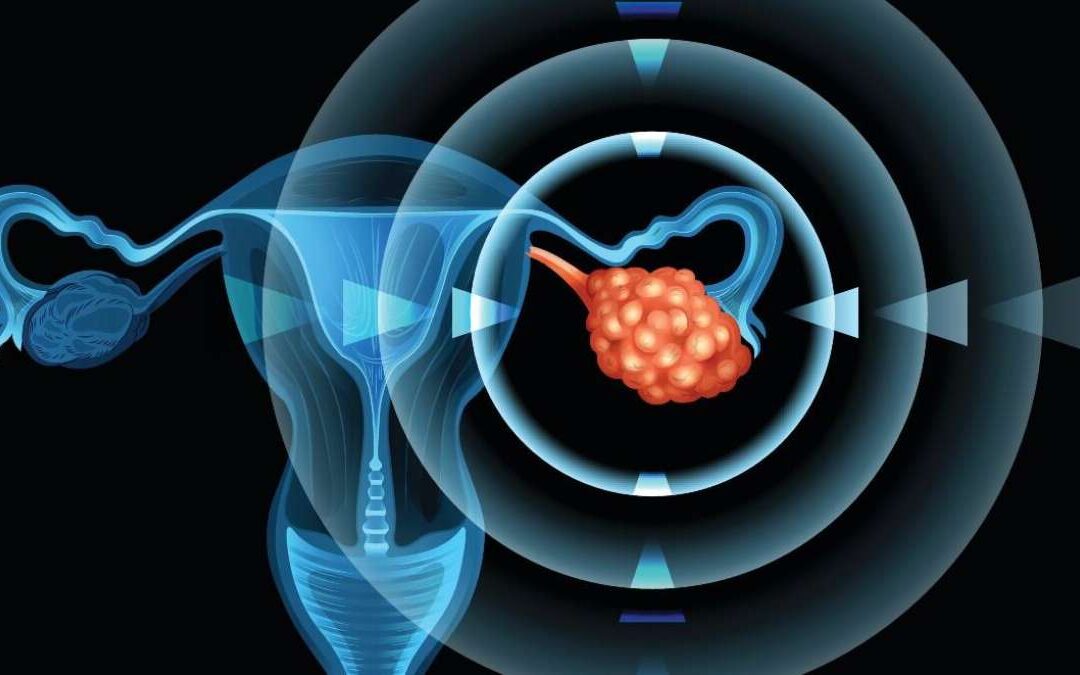
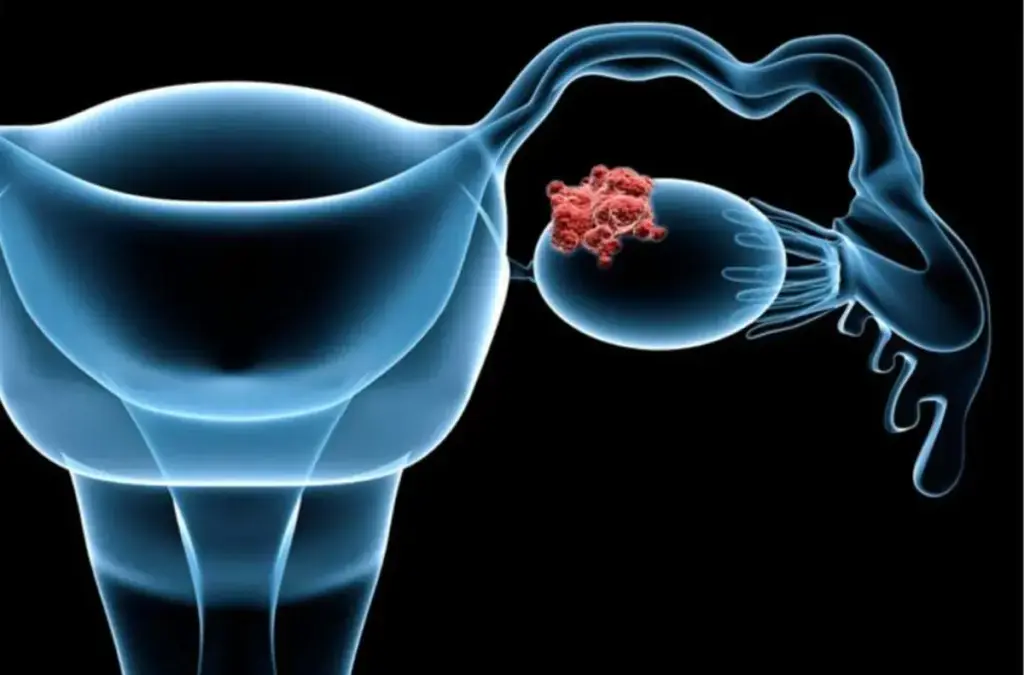
Surgery doesn’t automatically stop. The surgeon looks at what’s there, how far it goes, and whether dealing with it right then is safe. A frozen section biopsy goes to pathology. Result back in 15 to 30 minutes, patient still on the table. What happens next depends entirely on that result. And on whether the team went in prepared for exactly this possibility.

According to Prof. Dr. Sandeep Nayak, Surgical Oncologist in India, “Finding cancer intraoperatively isn’t a failure of planning. It happens. The response isn’t panic, it’s a clinical assessment. We look at what we’re dealing with, send for frozen section, check with the anaesthesiologist about time and patient stability, and make the safest call possible right there. Sometimes that means completing the resection. Sometimes it means closing and coming back with a proper plan.”

An unexpected finding mid-surgery needs a team that knows how to respond, not just how to operate.

What Does the Surgeon Actually Do When Cancer Is Found?

Fast steps. Specific order. Nothing improvised.

  • Frozen section goes first: A tissue sample leaves the theatre immediately. The pathologist freezes it, slices it, stains it, reads it. Result in 15 to 30 minutes. That result drives everything that follows.
  • Extent gets assessed: Is this isolated or has it spread further than imaging showed? Adjacent organs. Lymph nodes. Peritoneum. The surgeon looks carefully. What’s visible changes the scope of what’s possible right there.
  • Anaesthesiologist gets consulted: How long has the patient been under? Are they stable? Some operations can extend safely. Others can’t. That conversation happens in real time, not after.
  • Proceed or close: Finding is resectable, patient is stable, team has what it needs? Surgery continues. Not possible safely? Wound closes. Patient wakes up. Tumour board plans the next step.

For cancer findings that lead to immediate surgical removal, robotic cancer surgery allows precise resection in tight spaces with less blood loss, making intraoperative extension more feasible when the conditions are right.

What Are the Most Common Intraoperative Cancer Scenarios?

Four situations come up most. Each one plays out differently.

  • Incidental cancer: Operation was for something else entirely. A gallbladder. A hernia. A cyst. Cancer found by chance. Surgeon samples it, notes the location, closes safely. Oncology referral comes next.
  • More disease than expected: Staging scans missed something. Cancer has spread to adjacent structures not visible pre-operatively. Surgeon reassesses. Either extends the operation or closes to plan something more complex.
  • Positive margins found: Known cancer, planned operation. Frozen section shows cancer cells at the cut edge. More tissue gets taken in the same session. Same anaesthesia, one operation, clear margin.
  • Unresectable disease: Cancer has wrapped around major vessels, nerves or structures that can’t be safely removed. Proceeding would cause more harm than benefit. Patient closed. Woken up. Referred for non surgical treatment.

For patients who’ve had surgery and want to understand what the pathology result means for next steps, our blog on surgical margin in cancer surgery explains every category clearly.

Why Choose Dr. Sandeep Nayak for Your Cancer Care?

Dr. Sandeep Nayak has spent 24 years in surgical oncology. He holds DNB qualifications in Surgical Oncology and General Surgery, plus a fellowship in Laparoscopic and Robotic Onco Surgery. He’s operated across thousands of cancer cases, many with intraoperative complexity that needed real-time decisions. He works with a dedicated intraoperative pathology team and anaesthesiology support so unexpected findings get a clinical response on the spot.

Every case at MACS Clinic is reviewed by the multidisciplinary tumour board before treatment planning. Call +91 8104310753 to book your consultation.

Frequently Asked Questions

What happens if cancer is found during surgery?

The surgeon pauses, assesses the finding and decides whether to proceed.

Will surgery stop if cancer is found?

Not always, depends on type, extent, and whether removal is safe.

How does the surgeon know it is cancer?

Frozen section biopsy gives a tissue answer in 15 to 30 minutes.

Does finding cancer during surgery change the plan?

Yes, the surgical plan adjusts based on what the finding reveals.

Disclaimer: This blog is for informational purposes only and is not a substitute for professional medical advice.

 What Is Immunosuppression During Cancer Treatment?

 What Is Immunosuppression During Cancer Treatment?

Immunosuppression means the immune system can’t fight infections the way it should. During cancer treatment, two things drive it. The cancer itself disrupts immune function, and chemotherapy wipes out the white blood cells that defend the body. The result? A minor cold becomes a hospitalisation risk. A small cut needs watching. Patients most patients sail through treatment, this immune window is the part that needs the most careful management.

According to Prof. Dr. Sandeep Nayak, Surgical Oncologist in India, “Immunosuppression during cancer treatment isn’t a rare complication. It’s an expected part of the process for most patients on chemotherapy. Chemo can’t tell cancer cells from white blood cells, so both take a hit. Managing that window carefully, watching for fever, avoiding infection sources, staying on supportive care, matters as much as the treatment itself.”

A fever during chemo isn’t minor. It’s a signal that needs same day attention.

What Causes Immunosuppression in Cancer Patients?

Cancer and its treatment both contribute. Often simultaneously.

  • Chemotherapy: Chemo attacks fast dividing cells. Bone marrow, which produces white blood cells, divides fast. So it takes a direct hit. White cell count falls. The immune window opens.
  • Radiation therapy: Radiation near or over bone marrow reduces blood cell production. Wide field radiation, pelvic or whole body, has the strongest suppressive effect on immunity.
  • Steroids: Dexamethasone and prednisone are routinely used alongside cancer treatment. They control inflammation well. They also blunt the immune response at the same time.
  • Cancer itself: Blood cancers like leukaemia and lymphoma invade the immune system directly. Solid tumours release inflammatory signals that throw immune regulation off, even before treatment begins.

For patients having surgery as part of their cancer plan, robotic cancer surgery reduces tissue trauma and blood loss, helping the immune system recover faster through the post operative period.

How Is Immunosuppression Managed During Treatment?

Active management, not passive watching.

  • Neutropenia watch: White cells hit their lowest point, the nadir, around 7 to 14 days after a chemo cycle. Fever above 38°C during this window? Hospital, not home. That’s the rule.
  • G-CSF injections: Filgrastim and pegfilgrastim push bone marrow to produce more white cells. Given after high risk chemo cycles to shorten how long the immune window stays open.
  • Infection prevention: Handwashing. No crowds. No raw or undercooked food. Avoid visibly unwell people. Small habits that carry real weight when immunity is low.
  • Vaccine timing: Live vaccines are off during active treatment. Flu and pneumococcal vaccines go in before chemo starts, or after immunity recovers. Timing matters.

For patients thinking about longer term planning once treatment ends, including how immune recovery affects decisions like pregnancy after cancer, the recovery timeline is a central part of that conversation.

Why Choose Dr. Sandeep Nayak for Your Cancer Care?

Dr. Sandeep Nayak has spent 24 years in surgical oncology. He holds DNB qualifications in Surgical Oncology and General Surgery, plus a fellowship in Laparoscopic and Robotic Onco Surgery. He coordinates surgery timing with the medical oncology team to avoid operating during the nadir window, and ensures supportive care for immune management is built into the treatment plan from the start.

Every case at MACS Clinic is reviewed by the multidisciplinary tumour board before treatment planning. Call +91 8104310753 to book your consultation.

Frequently Asked Questions

What is immunosuppression during cancer treatment?

A weakened immune system caused by cancer or its treatment.

Which treatments cause immunosuppression?

Chemotherapy, radiation, steroids and some targeted therapies.

How long does immunosuppression last?

Weeks to months after treatment depending on the drugs used.

How do patients protect themselves?

Hand hygiene, avoiding crowds, staying vaccinated and reporting fever promptly.

Disclaimer: This blog is for informational purposes only and is not a substitute for professional medical advice.

What Is a Frozen Section During Surgery?

What Is a Frozen Section During Surgery?

Frozen section is a quick tissue test done while surgery is still in progress. The surgeon sends a piece of tissue to the pathology lab. It gets flash frozen, sliced thin, stained and looked at under a microscope. The result comes back in 15 to 30 minutes, while the patient is still on the table. It tells the surgeon whether to take more tissue out, stop where they are, or change the plan entirely. Real time pathology, in other words.

According to Prof. Dr. Sandeep Nayak, Surgical Oncologist in India, “Frozen section is one of the most useful tools in cancer surgery because it changes the operation in real time. We don’t have to close up, wait a week for results and bring the patient back for a second surgery. The pathologist tells us right then whether the margin is clear, the lymph node is positive or the diagnosis is what we expected.”

One quick test in the OR can save a second surgery weeks later.

When Is a Frozen Section Used in Cancer Surgery?

Three big situations come up in oncology. Each one changes the plan on the spot.

  • Margin check: During lumpectomy or other tumour removal, the surgeon sends the edge of the cut tissue for frozen section. If cancer cells sit at the edge, more tissue gets removed in the same operation.
  • Lymph node status: Sentinel lymph node biopsy in breast cancer often uses frozen section. If the node is positive, the surgeon knows to clear more nodes during the same surgery.
  • Diagnosis confirmation: When pre op biopsy isn’t conclusive or wasn’t done, frozen section confirms whether the lump is cancer or benign. Plan changes accordingly.
  • Organ preservation calls: Sometimes frozen section decides whether to remove the whole organ or save part of it. Thyroid, parotid, ovary, pancreas, all common examples.

For patients whose surgery uses robotic precision alongside intraoperative pathology, robotic cancer surgery brings tight margin control with frozen section guiding each major decision.

How Accurate and Reliable Is Frozen Section?

Quick, useful, but not perfect. Final pathology is still the gold standard.

  • High accuracy: Around 95 percent agreement with formal paraffin section pathology done later. Most surgical decisions made on frozen section turn out correct.
  • Some limitations: Tissue gets distorted during freezing. Fat doesn’t freeze well. Small or sneaky cancer cells can be missed in rapid processing.
  • Final report still: Tissue always goes for proper paraffin section after frozen. The full diagnosis comes 5 to 7 days later. That’s the real final result.
  • Surgeon judgement: Pathologist gives the result, surgeon decides what to do. Both work together in real time, often discussing borderline findings before next steps.

For patients curious about what margin clear or positive actually means in the pathology report, our blog on surgical margin walks through each category.

Why Choose Dr. Sandeep Nayak for Your Cancer Care?

Dr. Sandeep Nayak has spent 24 years in surgical oncology. He holds DNB qualifications in Surgical Oncology and General Surgery and trained further with a fellowship in Laparoscopic and Robotic Onco Surgery. He uses frozen section routinely for margin checks, sentinel lymph node assessment and intraoperative diagnosis in breast, thyroid, head and neck, ovarian and other cancer surgeries, so patients avoid second operations whenever the science supports it.

That live, intraoperative decision making is what separates modern cancer surgery from the older wait and come back approach. Every case at MACS Clinic goes through tumour board review, where the surgical plan is set together. Call +91 8104310753 to book your consultation.

Frequently Asked Questions

What is a frozen section in surgery?

Rapid tissue analysis done during surgery to guide immediate decisions.

How long does frozen section take?

Usually 15 to 30 minutes while surgery continues in the room.

Why is frozen section needed?

To check tumour margins, lymph node status or confirm diagnosis.

How accurate is frozen section?

Around 95 percent accurate, confirmed by formal pathology afterward.

Disclaimer: This blog is for informational purposes only and is not a substitute for professional medical advice.

Why Do Some Cancers Spread to the Liver First?

Why Do Some Cancers Spread to the Liver First?

The liver is the most common first stop for cancers that spread. It’s all about blood flow. Blood from the entire gut, pancreas and spleen flows directly into the liver through the portal vein, carrying any loose tumour cells with it. The liver also has a second blood supply from the hepatic artery. Two roads in, lots of cells getting trapped. Add the slow sinusoidal flow inside the liver and the rich growth environment, and you’ve got a perfect filter for cancer cells looking to settle.

According to Prof. Dr. Sandeep Nayak, Surgical Oncologist in India, “The liver becomes the first metastatic site for many cancers simply because of plumbing. Blood from the digestive system runs straight through it via the portal vein, so tumour cells from colon, pancreatic or stomach cancers land there first. It’s why we always image the liver carefully in any abdominal cancer staging.”

 Liver mets isn’t the end, it’s where smart treatment begins.

Why Is the Liver the Most Common First Site?

A few reasons stack up together. Anatomy mostly does the rest.

  • Portal vein highway: All blood draining the gut, pancreas and spleen passes through the liver first. Any cancer cell that breaks off from these organs gets carried straight in.
  • Dual blood supply: The liver takes blood from two sources, the portal vein and the hepatic artery. More blood flow means more chances for circulating tumour cells to lodge.
  • Slow sinusoidal flow: Blood slows down inside the liver’s tiny sinusoid channels. Cancer cells have time to stick to the lining and start growing there.
  • Rich growth environment: The liver’s full of growth factors, oxygen and nutrients. Tumour cells that land here find a welcoming neighbourhood.

For patients diagnosed with liver mets that can be surgically removed, robotic cancer surgery brings precise resection while sparing healthy liver tissue.

Which Cancers Go to the Liver First and Why?

Pattern’s fairly predictable once you know the anatomy.

  • Colorectal cancer: The classic liver-first cancer. Blood from the colon and rectum drains via the portal vein straight to the liver. About half of all colorectal patients develop liver mets.
  • Pancreatic and stomach: Same portal vein route applies. Both drop liver mets early in the disease, often before other organs show involvement at all.
  • Breast cancer: Goes to bone first usually, but liver is the third most common site. The liver becomes a sanctuary site once breast cancer cells settle there.
  • Lung and ovarian: Lung cancer can hit the liver through the systemic circulation. Ovarian spreads to the peritoneum first, but the liver follows close behind.

For a fuller picture of how cancer spreads through different pathways, our blog on the 3 ways cancer can spread walks through direct invasion, lymphatic and bloodstream routes.

Why Choose Dr. Sandeep Nayak for Your Cancer Care?

Dr. Sandeep Nayak has spent 24 years in surgical oncology. He holds DNB qualifications in Surgical Oncology and General Surgery and trained further with a fellowship in Laparoscopic and Robotic Onco Surgery. He treats liver metastases from colorectal, pancreatic, stomach and other primary cancers with precise robotic and laparoscopic resection, alongside chemotherapy and targeted therapy planning to address both the liver lesions and the original tumour.

That combined surgical and systemic approach is what gives many liver metastasis patients realistic long term outcomes. Every case at MACS Clinic goes through tumour board review, where the treatment plan is set together. Call +91 8104310753 to book your consultation.

Frequently Asked Questions

Why do cancers spread to the liver first?

Liver receives blood directly from gut via the portal vein.

Which cancers go to liver first?

Colorectal, pancreatic, stomach, breast, lung and ovarian cancers commonly.

Are liver metastases treatable?

Yes, with surgery, chemotherapy or targeted therapy depending on case.

Can liver metastases be cured?

Some can, especially colorectal cancer with limited liver involvement.

Disclaimer: This blog is for informational purposes only and is not a substitute for professional medical advice.

Can a Cancer Patient Eat Non-Vegetarian Food?

Can a Cancer Patient Eat Non-Vegetarian Food?

Most cancer patients can still eat non vegetarian food during treatment, with lean fish, chicken and eggs being the main protein sources oncologists recommend. The real limits sit elsewhere, on processed meats, excess red meat and raw or undercooked items. Stopping all non veg outright? That’s a cultural habit, not an evidence based oncology rule.

According to Prof. Dr. Sandeep Nayak, Surgical Oncologist in India, “Cancer patients on treatment have higher protein needs, not lower. Cutting out non vegetarian food often makes recovery harder because plant protein alone struggles to meet what most patients need through surgery, chemo or radiation. Eggs, fish and chicken remain part of standard oncology nutrition advice unless there’s a specific medical reason to restrict them.”

 The category matters less. The specific choice within it matters more.

Why Is Protein Important During Cancer Treatment?

Cancer pushes the body’s protein demands up. Choosing the right sources helps it cope.

  • Muscle preservation: Treatment breaks muscle down faster than usual. The right amount of protein, particularly from animal sources, slows that loss and keeps the patient stronger through chemo cycles.
  • Wound healing: Surgery means tissue repair. The body uses amino acids to rebuild. Eggs, fish and chicken bring the full set of amino acids in one source. Plants usually don’t.
  • Immune support: Chemo lowers immunity between cycles. Lean protein helps the immune system rebuild. The body fights infection better when it’s getting what it needs.
  • Energy balance: Patients on plant only diets can lose weight quickly, sometimes edging into cachexia. Animal protein packs dense calories that vegetarian sources struggle to deliver.

For patients recovering from cancer surgery, robotic cancer surgery supports faster healing, but nutrition during recovery is what carries the patient through the longer term.

What Non Vegetarian Food Should Cancer Patients Eat or Avoid?

The food category itself isn’t the issue. The specific items inside it are.

  • Recommended: Eggs. Fresh fish. Skinless chicken. Low fat dairy. Well cooked, properly hygienic, moderate portions. These are the working foods of cancer recovery.
  • Limit intake: Red meat like mutton and beef. Once or twice a week, no more. Strong evidence ties excess red meat to colorectal cancer risk.
  • Avoid entirely: Processed meats. Sausages, salami, bacon, ham. WHO classifies these as Group 1 carcinogens, sitting in the same category as tobacco. Not worth the risk during cancer.
  • Skip raw items: Sushi, raw eggs, soft cheeses, undercooked meat. Chemo lowers immunity, so food borne infection risk shoots up. Cook everything through.

For a fuller look at structuring overall diet during cancer treatment, our blog on choosing the most suitable diet for cancer patients covers it in detail.

Why Choose Dr. Sandeep Nayak for Your Cancer Care?

Dr. Sandeep Nayak has spent 24 years in surgical oncology. He holds DNB qualifications in Surgical Oncology and General Surgery, plus a fellowship in Laparoscopic and Robotic Onco Surgery. He counsels patients and families on evidence based nutrition through cancer treatment, working with dietitians where specific dietary conditions need closer attention.

Every case at MACS Clinic is reviewed by the multidisciplinary tumour board before treatment planning. Call +91 8104310753 to book your consultation.

Frequently Asked Questions

Can cancer patients eat non vegetarian food?

Yes, lean fish, chicken and eggs are encouraged for protein.

Which non veg should be avoided?

Processed meats, red meat in excess, and raw or undercooked items.

Is fish safe during chemotherapy?

Yes, well cooked fish is safe and helpful for muscle recovery.

Why do families ask patients to go vegetarian?

Tradition and myths, not evidence based oncology guidelines actually.

Disclaimer: This blog is for informational purposes only and is not a substitute for professional medical advice.

Call Now Button