Can You Donate Blood After Cancer Treatment?

 Can You Donate Blood After Cancer Treatment?

Many cancer survivors can donate blood, but not all. The answer splits cleanly by cancer type. Solid tumour survivors of breast, colon, lung, thyroid, and stomach can generally donate 12 months after treatment ends, provided remission is confirmed. Blood cancer survivors cannot. Leukaemia, lymphoma and myeloma permanently disqualify a donor. During active treatment, nobody donates. That window stays closed until the cancer is gone.

According to Prof. Dr. Sandeep Nayak, Surgical Oncologist in India, “Cancer survivors who want to donate blood are making a generous choice, and most solid tumour survivors can do exactly that after the right waiting period. The 12-month gap exists to confirm remission, not to punish the survivor. Blood cancers are a different matter entirely because the disease affects the blood itself, and that’s a permanent exclusion.”

Finished treatment and want to give back? Here’s what you need to know first.

Who Can and Who Cannot Donate Blood After Cancer?

The split comes down to where the cancer originated.

  • Solid tumour survivors: Breast, colon, colorectal, lung, thyroid, stomach, cervical and prostate cancer survivors are generally eligible 12 months after completing treatment with no signs of recurrence. The blood itself wasn’t the problem.
  • Blood cancer survivors: Leukaemia, lymphoma, multiple myeloma. Permanently ineligible. These cancers originate in blood cells and bone marrow, and that changes the donation equation entirely. No waiting period fixes it.
  • Low risk skin cancers: Basal cell and squamous cell carcinoma survivors can donate once the cancer is removed and the wound healed. No 12-month wait needed for these.
  • During treatment: No. Not during chemotherapy. Not during radiation. Not on hormone therapy. Any active cancer treatment closes the donation window completely.

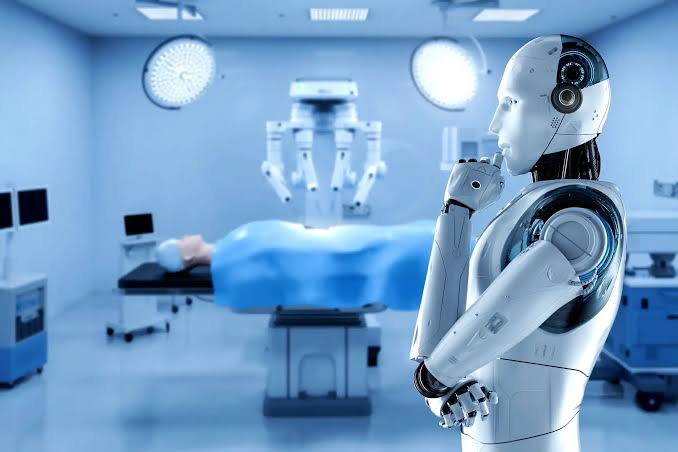
For patients who receive blood products as part of their own cancer treatment, robotic cancer surgery reduces intraoperative blood loss, often lowering the need for transfusions during and after surgery.

Common Questions Cancer Survivors Have About Blood Donation

The fears and the facts, side by side.

  • Can cancer spread through blood donation? No confirmed cases exist worldwide. Studies consistently show solid tumour cells don’t survive transfusion conditions. The 12-month wait is about confirming the donor’s own health, not protecting the recipient from cancer transmission.
  • What if my blood still has chemo drugs? Drug clearance happens well before the 12-month waiting period ends. By the time a survivor is eligible to donate, chemotherapy residues aren’t a concern.
  • Will the blood bank know? Yes. Every donor fills a detailed medical history form. Being honest matters, not just for the recipient’s safety but for the donor’s own health. Donation after recent treatment can strain a recovering body.
  • What if I want to donate but can’t? Encourage family or friends to donate in your name. Register as a bone marrow donor if eligible. Donate to cancer care organisations. Giving back takes more than one form.

For patients curious about why cancer doesn’t spread person to person through blood contact or casual exposure, our blog on whether cancer is a cancer communicable disease addresses this question directly.

Why Choose Dr. Sandeep Nayak for Your Cancer Care?

Dr. Sandeep Nayak has spent 24 years in surgical oncology. He holds DNB qualifications in Surgical Oncology and General Surgery, plus a fellowship in Laparoscopic and Robotic Onco Surgery. He guides cancer survivors through survivorship decisions including what the recovery period means for everyday life choices, working closely with medical oncologists to give patients the clearest possible picture of where they stand.

Every case at MACS Clinic is reviewed by the multidisciplinary tumour board before treatment planning. Call +91 8104310753 to book your consultation.

Frequently Asked Questions

Can cancer survivors donate blood?

Most solid tumour survivors can after 12 months in confirmed remission.

Can blood cancer survivors donate blood?

No, leukaemia, lymphoma and myeloma survivors are permanently ineligible.

Can cancer spread through blood donation?

No reported cases of cancer spreading through blood transfusion exist.

Can you donate blood during cancer treatment?

No, donation is not allowed during active cancer treatment.

Disclaimer: This blog is for informational purposes only and is not a substitute for professional medical advice.

What Is Adjuvant Therapy After Cancer Surgery?

What Is Adjuvant Therapy After Cancer Surgery?

Adjuvant therapy is everything that happens after surgery to stop the cancer coming back. The tumour is out. The margins may be clear. But microscopic cells too small for any scan to catch can still sit in lymph nodes, tissue or circulation. Adjuvant therapy, whether that’s chemo, radiation, hormone therapy or targeted drugs, is what goes after those cells. Surgery removes what the eye can see. Adjuvant therapy deals with what it can’t.

According to Prof. Dr. Sandeep Nayak, Surgical Oncologist in India, “Surgery removes the tumour you can see and the margins around it. But cancer doesn’t always confine itself neatly to what’s visible. Microscopic cells can sit in lymph nodes, surrounding tissue or circulation before surgery even starts. Adjuvant therapy is what we give to deal with that residual risk, and the decision is never one doctor’s call. It goes to the tumour board.”

 Surgery is the start. Adjuvant therapy is what protects the result.

What Types of Adjuvant Therapy Exist After Surgery?

Several options. Different cancers need different combinations.

  • Chemotherapy: Drugs go everywhere. The whole body. That’s the point. Microscopic cells hiding anywhere get targeted, not just at the surgery site. Given in cycles. Usually 4 to 8, depending on cancer type and stage.
  • Radiation: Targeted, not systemic. Hits a defined area, usually the surgical bed or regional lymph nodes. Lumpectomy patients almost always need it. Some mastectomy patients too, depending on nodal status and margins.
  • Hormone therapy: For cancers driven by oestrogen or testosterone. Breast and prostate mainly. Tamoxifen. Aromatase inhibitors. Doesn’t run for months. Runs for 5 to 10 years, because late recurrence is the real risk in these cancers.
  • Targeted therapy and immunotherapy: Specific to cancer biology. HER2 positive breast, certain lung and colorectal subtypes, melanoma. More precise than chemo. Side effect profile is different, often gentler, though not always.

For patients who need a second surgical step as part of their plan, like re-excision before starting adjuvant treatment, robotic cancer surgery keeps recovery fast and gets patients to adjuvant therapy sooner.

Who Needs Adjuvant Therapy and Who Doesn't?

Not everyone. The risk calculation decides.

  • Stage and spread: Positive lymph nodes, close or positive margins, later stage disease all push the calculation toward adjuvant therapy. The higher the recurrence risk, the clearer the benefit.
  • Tumour biology: Grade, hormone receptor status, HER2 status, genomic tests like Oncotype DX for breast cancer. Aggressive biology pushes toward adjuvant. Favourable biology sometimes means patients can skip it safely.
  • Tumour board decides: Not one doctor’s call. Surgical oncologist, medical oncologist, radiation oncologist and pathologist all review the case together. The recommendation comes out of that conversation.
  • Patient factors: Age, fitness, other health conditions, personal preference. Adjuvant therapy always has side effects. That trade off is part of the discussion, not an afterthought.

For a deeper look at how chemotherapy fits into cancer treatment at each stage, our blog on cancer chemotherapy explains the decision framework clearly.

Why Choose Dr. Sandeep Nayak for Your Cancer Care?

Dr. Sandeep Nayak has spent 24 years in surgical oncology. He holds DNB qualifications in Surgical Oncology and General Surgery, plus a fellowship in Laparoscopic and Robotic Onco Surgery. He builds adjuvant therapy into the conversation before surgery starts, not as a surprise afterwards, so patients go into the operation knowing what the full plan looks like.

Every case at MACS Clinic is reviewed by the multidisciplinary tumour board before treatment planning. Call +91 8104310753 to book your consultation.

Frequently Asked Questions

What is adjuvant therapy in cancer?

Treatment given after surgery to destroy residual cancer cells.

Why is adjuvant therapy needed?

Surgery removes visible cancer but microscopic cells can remain undetected.

How long does adjuvant therapy last?

Weeks to years depending on cancer type and the treatment used.

Does everyone need adjuvant therapy?

No, it depends on stage, grade, margins and recurrence risk.

Disclaimer: This blog is for informational purposes only and is not a substitute for professional medical advice.

 Is Radiation Needed After Breast Cancer Surgery?

 Is Radiation Needed After Breast Cancer Surgery?

Most patients who had a lumpectomy will need radiation afterwards, while those who had a mastectomy may or may not need it depending on tumour size, lymph node involvement and other factors. The point of radiation is to clear any microscopic cancer cells left behind, dropping the risk of local recurrence sharply. The decision isn’t routine. It’s tailored to each patient by the tumour board.

According to Prof. Dr. Sandeep Nayak, Surgical Oncologist in India, “Radiation after breast cancer surgery isn’t automatic, but it’s the most studied way to reduce local recurrence after breast conserving surgery. The decision rests on what the pathology shows, what the margins look like, and what the patient’s individual risk profile actually is. The tumour board makes that call together, never one doctor alone.”

The decision to radiate isn’t routine, it’s personal to each case.

Who Needs Radiation After Breast Cancer Surgery?

Different surgeries lead to different radiation decisions. Here’s how it breaks down.

  • After lumpectomy: Almost always recommended. Whole breast radiation cuts the chance of cancer coming back in the same breast by roughly 50 percent. Without it, recurrence climbs sharply.
  • After mastectomy: Selective use. Recommended when the tumour was over 5 cm, four or more lymph nodes are positive, or surgical margins were close or positive.
  • Lymph node involvement: When cancer cells are found in axillary lymph nodes, radiation often covers the lymph node areas too, not just the breast or chest wall.
  • Special situations: Skin involvement, positive margins after re-excision, very young patients, or aggressive tumour biology can shift a borderline case toward radiation.

For patients undergoing breast surgery using precision techniques, robotic cancer surgery often allows tighter margins and clearer planning, but the post operative radiation decision still depends on the pathology that comes back.

How Is Radiation Delivered After Breast Surgery?

Modern protocols are shorter and gentler than they used to be.

  • Standard schedule: Whole breast radiation runs 3 to 5 weeks, Monday to Friday, with short daily sessions. New hypofractionated schedules deliver the same dose in fewer sessions.
  • Partial breast option: For carefully selected patients, accelerated partial breast irradiation targets only the area around the original tumour, finishing in about a week.
  • Boost dose: An extra dose to the tumour bed is added when the risk of local recurrence is higher, especially in younger patients or close margins.
  • Side effects: Skin redness, fatigue, mild breast swelling are common but usually temporary. Long term effects like lymphedema or rare cardiac issues are uncommon with modern targeting.

For more on what recovery looks like overall after breast cancer surgery including radiation, drains and rehabilitation, our blog on breast cancer care covers the full picture.

Why Choose Dr. Sandeep Nayak for Your Cancer Care?

Dr. Sandeep Nayak has spent 24 years in surgical oncology. He holds DNB qualifications in Surgical Oncology and General Surgery, plus a fellowship in Laparoscopic and Robotic Onco Surgery. He works closely with radiation oncologists to coordinate the breast cancer treatment plan, ensuring radiation decisions are based on pathology, margins and risk profile rather than a one size fits all approach.

Every case at MACS Clinic is reviewed by the multidisciplinary tumour board before treatment planning. Call +91 8104310753 to book your consultation.

Frequently Asked Questions

Is radiation needed after breast cancer surgery?

Usually yes after lumpectomy, selectively after mastectomy based on risk factors.

When can radiation be skipped?

In some older women with small, low risk hormone positive tumours.

How long does breast radiation take?

Around 3 to 5 weeks depending on the protocol used.

What are common side effects?

Skin redness, fatigue, mild breast swelling, all usually temporary.

Disclaimer: This blog is for informational purposes only and is not a substitute for professional medical advice.

Why Doesn’t Eating More Stop Cancer Weight Loss?

Why Doesn’t Eating More Stop Cancer Weight Loss?

Cancer rewires the way the body uses food. So eating more, even of the right things, doesn’t reverse the weight loss the way it would in any other situation. Inflammation from the tumour pushes muscle to break down. Insulin resistance blocks the calories from being properly used. The result? Three full meals a day, kilos still dropping.

According to Prof. Dr. Sandeep Nayak, Surgical Oncologist in India, “Families often blame themselves when the patient keeps losing weight despite eating well. That guilt is misplaced. The problem isn’t the food, it’s that cancer has shifted the body’s metabolism. The only way to genuinely reverse the loss is treating the cancer alongside nutrition, never nutrition by itself.”

Eating more matters. It just isn’t the whole answer in cancer weight loss.

Why Does the Body Stop Using Food Properly During Cancer?

It’s not about appetite. The biology behind it runs much deeper.

  • Chronic inflammation: Tumour cells leak inflammatory chemicals into the bloodstream. These chemicals confuse how muscle and fat cells use energy. Food gets eaten. The body just can’t turn it into stored weight.
  • Insulin resistance: Cancer drags the body into insulin resistance. Glucose arrives, cells stay locked out. Muscle gets broken down to fill the energy gap.
  • Hormone shifts: Tissue breaking down hormones outpace the tissue building ones. The balance tips toward wasting. Food intake doesn’t fix that imbalance on its own.
  • Energy burns higher: Tumours steal calories at rest, competing with healthy tissue. Resting metabolism climbs. The same plate of food that used to maintain weight no longer does.

For patients whose cancer can be surgically controlled, robotic cancer surgery often slows or reverses the metabolic chaos behind the weight loss.

What Actually Helps if Eating Alone Doesn't?

Combined approaches work. Single fixes rarely do.

  • Treat the cancer: This is the main lever. When cancer responds to chemo, targeted therapy or surgery, inflammation eases. Weight stabilises or comes back gradually.
  • Medication options: Anamorelin for appetite. Megestrol for weight gain. Low dose steroids short term. Newer trial drugs like ponsegromab target the GDF15 pathway behind cachexia directly.
  • Resistance exercise: Counter intuitive but proven. Light strength training holds onto muscle that calories alone can’t. Even fifteen minutes a day shows up on the scale eventually.
  • Smart nutrition: Protein dense, calorie heavy. Small frequent meals, not three big ones. Oncology dietitian input where possible. Nutrition stays important, just never alone.

For patients where nutritional deficiency is also part of the picture, our blog on vitamin B12 deficiency and cancer covers another angle worth checking.

Why Choose Dr. Sandeep Nayak for Your Cancer Care?

Dr. Sandeep Nayak has spent 24 years in surgical oncology. He holds DNB qualifications in Surgical Oncology and General Surgery, plus a fellowship in Laparoscopic and Robotic Onco Surgery. He works closely with oncology dietitians, supportive care teams and medical oncologists to address cancer weight loss through combined intervention rather than nutrition alone.

Every case at MACS Clinic is reviewed by the multidisciplinary tumour board before treatment planning. Call +91 8104310753 to book your consultation.

Frequently Asked Questions

Why doesn't eating more reverse cancer weight loss?

Cancer changes metabolism so the body cannot use the extra calories.

Can a feeding tube help?

Feeding tubes help selectively, but don’t fully reverse advanced cachexia either.

What actually helps with cancer weight loss?

Treating the cancer, plus medication, exercise and nutrition together.

Does the weight come back after treatment?

Yes, partly, if the cancer responds and inflammation reduces.

Disclaimer: This blog is for informational purposes only and is not a substitute for professional medical advice.

Can Gulf Patients Get Robotic Surgery at MACS?

Can Gulf Patients Get Robotic Surgery at MACS?

Robotic cancer surgery is widely available to international patients in India, including those travelling from Gulf countries. MACS Clinic Bangalore is among the centres that accept Gulf patients for these procedures, with the standard international patient pathway already established. Treatment typically takes 10 to 14 days from arrival to discharge, and Indian centres use the same Da Vinci Xi platform found in major US and European hospitals.

According to Prof. Dr. Sandeep Nayak, Surgical Oncologist in India, “International patients seeking cancer surgery need three things, the same surgical technology they’d access at home, a logistical pathway built around their family, and continuity of care once they return. Most major Indian cancer centres are now set up for this, which is why Gulf families have been part of the practice for over a decade.”

Understanding the pathway helps families plan international cancer care better.

What Cancer Care Is Available for Gulf Patients in India?

The clinical offering at major Indian cancer centres mirrors global standards.

  • Robotic surgery: The Da Vinci Xi platform is used for breast, head and neck, colorectal, stomach, prostate, kidney and gynaecological cancers. The same technology is available across US and European centres.
  • HIPEC and PIPAC: Specialised peritoneal cancer surgery and intraperitoneal chemotherapy are available at select Indian centres. These options aren’t widely offered across the Gulf region.
  • Tumour board review: Indian cancer centres of standard follow the multidisciplinary tumour board model. The treatment plan comes from the full team rather than a single doctor.
  • Continuity considerations: Post operative care matters as much as the surgery itself. Detailed discharge summaries and telehealth follow up help patients transition back to local doctors at home.

For more on the surgical procedure itself and which cancers it suits best, robotic cancer surgery covers procedure details, recovery timelines and cancer types treated.

What Should International Patients Know About the Travel and Care Pathway?

The logistics around international cancer treatment generally follow a similar pattern.

  • Medical visa: India issues an M visa specifically for medical treatment, with an attendant visa for one family member. Hospital invitation letters typically arrive within 48 hours of confirmation.
  • Language support: Indian cancer centres serving international patients commonly have Arabic, French or Russian translation depending on patient demographics. Worth confirming before travel.
  • Cultural needs: Halal food, prayer spaces and accommodation respectful of family customs are standard parts of international patient programmes at most major Indian hospitals.
  • Continuity of care: Discharge summary, follow up timetable and telehealth access for the early weeks back home keep the recovery seamless and reduce the chance of complications going unnoticed.

For patients specifically travelling for peritoneal cancer surgery with intraoperative chemotherapy, our blog on HIPEC surgery walks through what outcomes and survival actually depend on.

Why Choose Dr. Sandeep Nayak for Your Cancer Care?

Dr. Sandeep Nayak has spent 24 years in surgical oncology. He holds DNB qualifications in Surgical Oncology and General Surgery, plus a fellowship in Laparoscopic and Robotic Onco Surgery. International patients including those from Gulf countries have been part of his practice for over a decade, supported by Arabic translation, dedicated coordinators and post operative continuity arrangements.

Every case at MACS Clinic is reviewed by the multidisciplinary tumour board before treatment planning. Call +91 8104310753 to book your consultation.

Frequently Asked Questions

Can Gulf patients get robotic surgery at MACS?

Yes, Gulf patients regularly travel here for robotic cancer surgery.

How long is the typical stay?

About 10 to 14 days, covering surgery, recovery and follow up.

Is Arabic translation available?

Yes, Arabic translators support every consultation and recovery visit.

How much can Gulf patients save?

About 70 to 80 percent compared to similar care abroad.

Disclaimer: This blog is for informational purposes only and is not a substitute for professional medical advice.

Call Now Button