
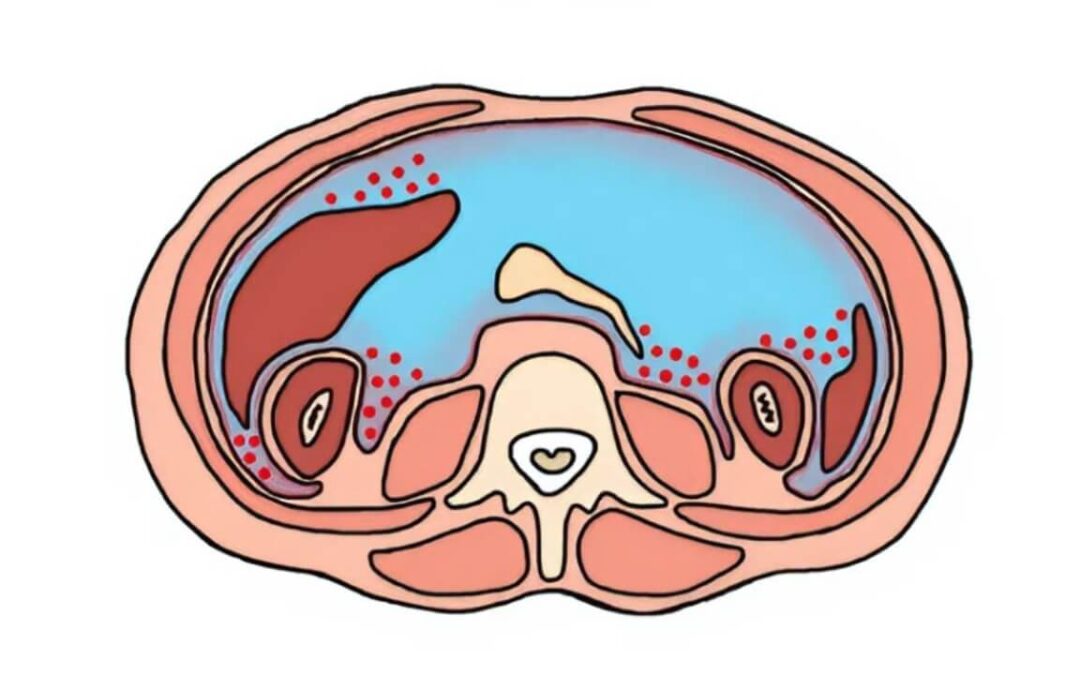
HIPEC can help some Stage 4 ovarian cancer patients, but not all. It works when the cancer has spread within the abdomen and a surgeon can remove all visible disease. It isn’t a blanket Stage 4 treatment. The deciding factors are where exactly the cancer has spread and whether complete removal is achievable. Patient selection is everything here.
According to Dr. Sandeep Nayak, Surgical Oncologist in India, “HIPEC isn’t a magic answer for every Stage 4 ovarian cancer, and anyone who says so is overselling it. Where it genuinely helps is when the disease sits inside the abdomen and I can remove all of it surgically. Then the heated chemo handles what’s left behind. But if cancer has spread to the lungs or deep into the liver, HIPEC isn’t the right tool. Selecting the right patient is the whole skill.”
Want to know if HIPEC is an option in your case?
When Can HIPEC Help in Stage 4?
The treatment works in a specific situation, and getting that situation right is the key.
- Abdominal spread : HIPEC suits cancer that’s spread across the peritoneum but stayed inside the abdomen. That’s the disease pattern it targets.
- Complete removal : It only works if surgery can clear all visible tumour first. Leftover disease means the heated chemo has too much to handle.
- The PCI score : Surgeons score the spread from 1 to 39. A reasonable score means HIPEC is worth offering. Too high, and it isn’t.
- Good enough fitness : This is major surgery, often 5 to 12 hours. The patient has to be fit enough to come through it well.
This careful selection is what makes HIPEC treatment effective rather than just aggressive, and it’s why not every patient is a candidate.
What Does It Actually Involve?
HIPEC is really two procedures working together, done in a single operation.
- Cytoreduction first : The surgeon removes every visible tumour from the abdomen. This part is the heavy lifting, and its completeness drives the outcome.
- Heated chemo : Warmed chemotherapy is then washed through the abdominal cavity. The heat helps it penetrate and kill microscopic disease surgery can’t see.
- The survival data : In selected patients, CRS with HIPEC has shown real survival gains. It’s not a cure, but it can buy meaningful time.
- The recovery : It’s a big operation. A hospital stay of 10 to 14 days and a couple of months of recovery is the realistic picture.
The role of CRS and HIPEC in ovarian cancer surgery is set out in detail, including where it fits among the other treatment options.
Why Choose Dr. Sandeep Nayak for HIPEC?
Dr. Sandeep Nayak is a surgical oncologist with 24 years behind him and a fellowship in laparoscopic and robotic onco-surgery. He’s among India’s most experienced HIPEC surgeons, treating peritoneal spread from ovarian, colorectal, appendix and other cancers. The work begins with honest selection, scoring the spread and judging whether complete cytoreduction is realistic, because HIPEC only helps when the disease and the patient genuinely fit it. That judgement is where the real expertise lies.
Ovarian cancer is where HIPEC has some of its strongest support, but only in the right hands and the right patient. The completeness of the surgery is the single biggest factor in how well someone does, and that comes down to surgical skill in the abdomen. For a carefully chosen Stage 4 patient, this combination offers something that systemic chemotherapy alone often can’t.
Frequently Asked Questions
Can HIPEC treat Stage 4 ovarian cancer?
It can help selected Stage 4 patients when disease stays inside the abdomen.
Who qualifies for HIPEC in ovarian cancer?
Patients whose tumour can be fully removed and whose PCI score is within limits.
Is HIPEC a cure for ovarian cancer?
Not a cure, but it can improve survival when combined with complete surgery.
When is HIPEC not suitable?
When cancer has spread outside the abdomen or complete tumour removal isn’t possible.
References
- CRS plus HIPEC in advanced ovarian cancer meta-analysis — National Library of Medicine
- HIPEC in primary and recurrent ovarian cancer review — National Library of Medicine
Disclaimer: This blog is for informational and educational purposes only and is not a substitute for professional medical advice or diagnosis.
