
Connection Between Smoking and Lung Cancer

Connection Between Smoking and Lung Cancer

We all know that smoking is injurious to health. But did you know that smoking is the number one cause of lung cancer? Yes, that’s the fact. Around 80 to 90% of lung cancer are related to cigarette smoking.

However, not all smokers will get lung cancer, but it does increase your chances of getting one by fifteen to thirty percent compared to non-smokers.

Dr. Sandeep Nayak, a leading surgical oncologist in India, explains that tobacco smoke exposes you to around 7000 toxic chemicals, of which 70 can cause cancer. Apart from lung cancer, smoking can cause cancer of the bowel, mouth, and throat.

His extensive knowledge and mastery of the latest surgical modalities have made Dr. Sandeep Nayak one of the best oncologist in Bangalore. Currently, he is the Chief of Surgical Oncology, MACS Clinic, and Chairman – Oncology Services, Karnataka, India | Executive Director – Surgical Oncology and Robotic Surgery, KIMS Hospital, Bangalore

If you are a smoker or living with a smoker, then this article will surely help you understand the connection between lung cancer and smoking and why it is essential that you stop smoking.

Check out the facts regarding smoking and cancer.

Check out the facts regarding smoking and cancer
  • One out of eight cancer cases are due to smoking.
  • Approximately 22% of cancer death is caused by tobacco.
  • Lung cancer causes the most amount of cancer deaths. Approximately 1.76 million people die each year due to lung cancer.
  • Cigarette smoking is the number one reason for disability, preventable disease, and death worldwide.
  • Smoke from tobacco exposes you to 70 chemicals known to cause cancer.
  • Around 90% of lung cancer is connected to smoking.
  • You can minimize the risk of getting lung cancer by 30 to 50% within 10 years of quitting smoking. 

Dr. Sandeep Nayak, an acclaimed cancer specialist for lung cancer treatment in Bangalore, urges people to stop smoking. He regularly holds camps and seminars to make people aware of the dangers of smoking. He feels it is never too late to quit.

Read on to understand,

How your risk of lung cancer increases with smoking?

As mentioned earlier, thousands of chemicals enter your lungs when you inhale tobacco smoke. Quite a few of them have the ability to harm the DNA present in your lung cells. The body tries to restore the damage done by these chemicals, however in the long run, the body cannot cope with the damage done by smoking.This can result in the development of cancer cells.

Constant breathing in tobacco smoke can even harm the alveoli, the minute air sacs that manage the gas exchange in your respiratory system. They supply oxygen to your blood and throw out carbon dioxide when you exhale. Long-term damage to the alveoli can eventually result in chronic obstructive pulmonary disease.

Does your risk of lung cancer increase due to secondhand smoke?

Does your risk of lung cancer increase due to secondhand smoke

The second most factor to cause lung cancer is secondhand smoke. Thousands of people die due to prolonged exposure to secondhand smoke. It significantly increases the risk of developing lung or breast cancer in women who are non-smokers.

Society is aware of the hazards of secondhand smoke, and many rules and regulations are being formulated to prohibit indoor smoking. You will come across many public places and restaurants that do not allow indoor smoking or have a different section for smokers.

Are e-cigarettes safe?

Are e-cigarettes safe

The battery-operated e-cigarettes replicate the traditional cigarette by producing smoke and delivering nicotine.  There is not much research available about the long-term effects of e-cigarettes as they are relatively new. However, some studies show that e-cigarettes deliver a few cancer-causing chemicals, though in less amounts than the original cigarettes.

Further, overheating the liquid in e-cigarettes can produce formaldehyde, a cancer-causing chemical. Dr. Sandeep Nayak, one of the best oncologist in India, urges people not to use e-cigarettes. 

It poses several risks, such as getting bronchiolitis obliterans, a severe lung condition, or delivering heavy metals such as tin or lead. Moreover, most e-cigarettes have nicotine which is highly addictive and can impede brain development in teenagers.

Ways in which your health can improve by quitting smoking?

When you stop smoking, not only does your chances of developing lung cancer decreases, but it also improves your overall health.

Some of the advantages of quitting smoking are:

  • Improves heart functions and circulation
  • Decreases heart rate and blood pressure
  • Decreases coughing and shortness of breath
  • Minimizes the risk of pregnancy issues and impotence
  • Reduces the chance of premature birth, miscarriage, or low birth weight
  • Lowers the potential risk of bladder, pancreatic, cervix, esophagus, throat, and mouth cancer

What are the other risks factors that can cause lung cancer?

About 10 to 15% of patients with lung cancer have no smoking history. Other factors that increase the chances of lung cancer other than smoking are:

  • Family history of lung cancer
  • Prior radiation treatment in the chest area
  • Air pollution
  • Exposure to asbestos or radon gas
  • Exposure to certain chemicals like arsenic, chromium, diesel exhaust, or silica

Dr. Sandeep Nayak, a highly experienced surgical oncologist in India, says that lung cancer cases in young people are increasing, and more than 30000 new cases in people below 50 years are reported yearly.

However, giving up smoking allows the body to heal. So, make an effort to quit smoking and give life a chance. If you have been a heavy smoker for a long time, it is better to get yourself checked. You can visit a specialist in lung cancer treatment in Bangalore for accurate diagnosis and ways to minimize lung cancer risk.

Fighting Colon Cancer With The Latest Advanced Treatments

Fighting Colon Cancer With The Latest Advanced Treatments

Colon cancer is the third most common cancer in India. It occurs in the large intestine or rectum, the lower part of your digestive system.

Until some years ago, colon cancer was considered the second most fatal cancer. Fortunately, in the last few years, medical science has made many new advancements in the detection and treatment of colon cancer that have greatly improved the prognosis for colon cancer patients.

colon cancer treatment in Bangalore

Dr. Sandeep Nayak, one of the best oncologist in India, explains that newer techniques like less invasive procedures help manage colon cancer better, providing more effective results.

He is the Chairman – Oncology Services, Karnataka, India, and Executive Director – Surgical Oncology and Robotic Surgery, KIMS Hospital, Bangalore.  He specializes in treating head and neck cancer, colorectal cancer, breast cancer, urinary tract cancer, digestive tract cancer, abdominal cancer, and gynecologic cancer.

This article will discuss surgical advancements that have revolutionized colon and rectal cancer treatment in Bangalore.

Symptoms

You may not experience any symptoms in the early stage. Further, they may vary according to the size and location of the tumor in your intestine. The symptoms include: 

  • Blood in the stool
  • Rectal bleeding
  • The constant change in your bowel movement and consistency of your stool
  • Continuous discomfort in the abdomen, like pain, cramps, or gas
  • Unexplained weight loss
  • Fatigue and weakness
  • Unable to empty your bowels completely

Dr. Sandeep Nayak, an experienced cancer specialist in Bangalore, recommends contacting a doctor as soon as possible if you notice any persistent symptoms.It will help in early diagnosis and timely treatment.

Advancements in colon & rectal cancer treatment in Bangalore

1. Early detection

One of the main reasons for the decrease in the death rate of colorectal cancer is early detection, apart from new and advanced colon cancer treatments.  Diagnosing cancer in stage 1 has a survival rate of about 90% after five years compared to diagnosing it at stage 4 where the survival rate is around 14%. 

There are several tests that help detect colon cancer at an early stage or can tell if you are susceptible to developing it.

 Tests include:

  • Fecal occult blood test
  • Virtual colonoscopy
  • Colonoscopy
  • Flexible sigmoidoscopy
  • Fecal immunochemical test
  • DNA testing

While performing colonoscopy, if abnormal growths or polyps are seen inside your colon, the doctor will remove them to check whether they are cancerous or not.

You should start screening for colon cancer at 50 years of age or earlier if you are at risk of it. Early detection offers a higher chance of stopping cancer from becoming metastatic.

2. Minimally invasive surgery

Over the years, surgical techniques for colon cancer treatments have continued to evolve, and newer methods are being developed.

Advanced procedures for early-stage colon cancer are:

Advanced procedures for early-stage colon cancer

Your content goes here. Edit or remove this text inline or in the module Content settings. You can also style every aspect of this content in the module Design settings and even apply custom CSS to this text in the module Advanced settings.

A. Endoscopic surgery

In an early stage, colon cancer is in the form of a polyp or a small tumor. Your doctor can easily treat it with an endoscopic procedure. They will use a probe to examine inside your colon and remove the entire tumor with special instruments.

B. TAMIS

TAMIS

Transanal minimally invasive surgery (TAMIS) is one of the latest laparoscopic procedures that helps remove small rectal tumors.

Latest surgeries for advanced colon cancer

To treat large tumors that have exceeded the bowel wall, the doctor will choose a procedure that is best suited to treat your cancer. Newer surgical techniques are better equipped to allow the surgeon to remove the tumor entirely, thereby minimizing the risk of recurrence.

Dr. Sandeep Nayak is a prominent surgical oncologist in India specializing in advanced surgical techniques, including laparoscopic, endoscopic, and robotic cancer surgeries.

Laparoscopic colon resection surgeryi. Laparoscopic colon resection surgery

The surgeon makes small incisions to remove the tumor and the affected lymph nodes.

ii. Intersphincteric resection (ISR)

It is a highly advanced procedure for low rectal cancers found in the last 14 centimeters. ISR, which can be done either laparoscopically or robotically, eliminates the need for permanent stoma in about 90% of the patients. It helps preserve the sphincter and bowel continuity.

Dr. Sandeep Nayak is one of the best oncologist in Bangalore, having years of expertise in minimally invasive procedures.

Advanced robotic surgery

iii. Rectal cancer surgery

Another advanced approach for rectal cancer is where the surgeon removes more fatty tissues surrounding the tumor. This helps to reach all the affected lymph nodes, thereby reducing the chances of recurrence.

iv. Advanced robotic surgery

Robotic surgery allows the surgeon to operate on areas that are hard to reach. Further, the robotic system provides unparallel precision and accuracy, which help in better outcomes.

Outlook

Minimally invasive treatments have many advantages, such as shorter hospital stays, less severe side effects, and quicker recovery. However, only an expert surgeon who is well-trained in these advanced procedures can perform minimally invasive surgery. So be sure to consult an experienced surgical oncologist in India to find the most appropriate treatment option for you.

Is Esophageal Cancer Curable?

Is Esophageal Cancer Curable?

Esophageal cancer arises when cancer cells start growing in the esophagus, the tube-like structure connecting your throat and stomach. The esophagus transports food from your mouth to the stomach. Cancer begins in the internal lining of the esophagus and may expand to external layers and other organs of your body (metastasis).

Esophageal cancer can be divided into 2 categories:

  • Squamous cell carcinoma – Squamous cells cover your inner esophagus, and squamous cell carcinoma can form anywhere along the esophagus.
  • Adenocarcinoma – Adenocarcinoma arises from gland cells and occurs when the squamous cells are substituted by gland cells. This cancer typically develops in the lower end of the esophagus near the stomach and is thought to be primarily connected to your lower esophagus being exposed to acid.

Fighting any cancer can be extremely exhausting, and you should not have to endure it alone. Dr. Sandeep Nayak, a renowned cancer specialist in Bangalore, India, is dedicated to providing world-class cancer therapy that is personalized for each patient.

What are the symptoms of esophageal cancer?

esophagal cancer

The following are some of the symptoms and signs of esophageal cancer.

  • The most common symptom is dysphagia, which is difficulty in swallowing
  • Regurgitation, which means the food you consumed comes back up into your mouth
  • Unexplained weight loss
  • Chest pain that originates in the center of your chest or, less frequently, in your back or shoulder
  • Persistent heartburn or indigestion
  • Having a raspy voice or a persistent cough
  • Odynophagia, which means swallowing is painful
  • Having the sensation that something is lodged in your throat

Bangalore’s acclaimed surgical oncologist, Dr. Sandeep Nayak, says that it is not necessary that you will develop esophageal cancer if you have any of these symptoms. On the other hand, a risk factor influences the likelihood of contracting a disease. 

As a result, if you do experience any of these symptoms, it is critical to consult a doctor as soon as possible.

How is esophageal cancer diagnosed?

The following tests and methods are used to diagnose esophageal cancer:

  • Barium swallow: You drink a fluid containing barium; it coats your esophagus, making it stand out in the X-ray, thus allowing the doctor to identify any problems or disorders.
  • Endoscopic ultrasound: A thin lit tube is passed down your throat to examine your esophagus. The sound waves aid your doctor in understanding the extent of cancer in the surrounding tissues.
  • Biopsy: The doctor can retrieve tissues or cells from your esophagus during the endoscopy to examine them under a microscope and see if cancer is present.

Other procedures, like CT (computed tomography) scans, PET (positron emission tomography) scans, laparoscopy, and thoracoscopy, may be used to see if cancer has migrated outside of the esophagus or metastasized. 

Dr. Sandeep Nayak, a proficient cancer specialist in India, adds that this is referred to as “staging,” and your doctor requires the information while planning your therapy.

What are the different stages of esophageal cancer?

different stages of esophageal cancer

Esophageal cancer is classified into 4 stages (I through IV). The stages are as follows:

  • Stage 0: Only the layer of cells lining the esophagus contains abnormal cells which are not yet cancerous.
  • Stage I: Cancer cells have started developing in the cells lining the esophagus.
  • Stage II: The malignancy has spread to the muscular layer or the external wall of your esophagus. Furthermore, the malignancy may have expanded to 1 or more neighboring lymph nodes (small clusters of cells that are part of your immune system).
  • Stage III: Cancer has spread further into the connective tissue wall or inner muscle layer. It may have spread beyond the esophagus, into nearby organs, and to more lymph nodes around the esophagus.
  • Stage IV: The most advanced step of esophageal cancer where cancer has progressed to other organs and lymph nodes farther from the esophagus.

How is esophageal cancer treated?

Treatment for esophageal cancer is determined by a number of factors, including the tumor’s stage and the patient’s overall condition.

  • Surgery: The esophagus may be removed in its entirety or partially.
  • Radiation therapy: Treatment that involves the use of radiation to kill cancer cells.
  • Chemotherapy:Potent drugs that target cancer cells throughout the body. Chemotherapy is usually used in conjunction with surgery and radiation therapy.
  • Targeted therapy: Powerful medications are administered to attack the malignant cells while minimizing side effects.
  • Immunotherapy: Aids the immune system in its fight against cancer cells.
  • Photodynamic therapy (PDT): PDT is a treatment that uses special laser lights to target cancer cells.
  • Electrocoagulation: Electric current is used to destroy the cancer cells.
  • Endoscopic mucosal resection: Small early cancers can be treated by removing the inside lining of the esophagus.

Radiofrequency ablation: Radiofrequency energy is sometimes used to target cancer cells in early cancers. Dr. Sandeep Nayak, a highly experienced oncologist in Bangalore, adds that esophageal cancer treatment, like many other malignancies, has a better chance of success if identified early.

How curable is cancer of the esophagus?

Esophageal cancer, often known as cancer of the food pipe, is a severe disease. Cancer of the esophagus is a treatable condition in most instances, though the cure percentages are low. 

According to the NCI (National Cancer Institute), 5 – 30% of patients who receive proper definitive treatments have a 5-year survival rate. However, it depends on several factors, including what stage the cancer was diagnosed and the patient’s overall condition.

Patients diagnosed at an early stage of the disease have an increased chance of surviving. 40% of those who receive curative treatment will live for a year or longer, 15% will live for 5 years, and 10% will live for 10 years or longer. It is dependent on the cancer stage and how soon it was detected. The stage of cancer determines the prognosis.

Dr. Sandeep Nayak is committed to helping his patients and strives to deliver comprehensive and effective stomach and esophageal cancer treatment in Bangalore, India.

Conclusion

Esophageal cancer, often known as cancer of the food pipe, is a severe disease. Cancer of the esophagus is a treatable condition in most instances, though the cure percentages are low. 

According to the NCI (National Cancer Institute), 5 – 30% of patients who receive proper definitive treatments have a 5-year survival rate. However, it depends on several factors, including what stage the cancer was diagnosed and the patient’s overall condition.

Patients diagnosed at an early stage of the disease have an increased chance of surviving. 40% of those who receive curative treatment will live for a year or longer, 15% will live for 5 years, and 10% will live for 10 years or longer. It is dependent on the cancer stage and how soon it was detected. The stage of cancer determines the prognosis.

Dr. Sandeep Nayak is committed to helping his patients and strives to deliver comprehensive and effective stomach and esophageal cancer treatment in Bangalore, India.

Know all about Liver Cancer Treatment in 2022

Know all about Liver Cancer Treatment in 2022

Liver cancer is the 3rd leading cause of cancer death worldwide, with over 700,000 deaths every year. More than 800,000 people worldwide are diagnosed with liver cancer each year. In 2020, over 830,000 people succumbed to the disease worldwide.

Among the best oncologists in India, Dr. Sandeep Nayak says that the liver is a vital organ of our digestive system and has the unique ability to regenerate lost tissues caused by surgery or some injury. Any damage to it can cause severe complications to other organs of your body.

HCC(hepatocellular carcinoma) is the most prevalent type of primary liver cancer, accounting for around 75% of the liver cancer diagnoses. 

In this blog, we will learn about treatment options for HCC in 2022. Let us start by understanding what the liver is and its functions.

The liver and its functions

The liver and its functionsThe liver is a significant organ found solely in vertebrates that conducts a variety of vital biological tasks, including detoxification and the production of biochemicals and proteins required for growth and digestion. It is situated in the right upper quadrant of your abdomen, below the diaphragm.

There are multiple functions your liver performs that are vital to your well-being. The main functions of the liver are:

  • It purifies blood flowing from your stomach and intestine before sending it to the rest of your body. This ensures that your body is free of toxins.
  • It secretes bile which breaks down fatty acids to promote healthy digestion.
  • It strengthens your immune system enabling the body to fight against infections.
  • It retains healthy nutrients and removes the rest as waste products.

Dr. Sandeep Nayak, one of the best cancer specialists in Bangalore, adds that the liver plays a critical role in metabolism and processes what we consume. Due to this, it is vulnerable to damages caused by drugs, alcohol, accumulation of fat in the liver, and toxins.

Imagine what would happen if the liver were unable to perform to its best ability. One of the life-threatening diseases of the liver is liver cancer.

What is liver cancer?

What is liver cancer

The malignancy of the liver is known as liver cancer. When the disease develops in the liver, it damages liver cells and impairs the liver’s ability to function normally.

There are 2 types of liver cancer:

  • Primary liver cancer starts in your liver cells.
  • Secondary liver cancer occurs when cancer cells that have developed in another organ spread to your liver.

Unlike the other cells in our body, cancer cells can move away from the original area where the cancer started.

Dr. Sandeep Nayak, an accomplished surgical oncologist in India, explains that the cancer cells can migrate through your bloodstream or lymphatic system to other body parts. They can begin growing in different tissues or organs once they reach there.

What are the symptoms of liver cancer?

Most people do not have any symptoms in the early stages. When they do appear, symptoms may include: 

  • Stomach ache, especially in the upper abdomen
  • Dark urine and pale stool
  • Nausea and vomiting
  • Jaundice
  • Feeling itchy
  • Loss of appetite and weight
  • Weakness and fatigue

Metastatic or secondary liver cancer is difficult to cure because the cancer cells have already spread. Surgery in this stage is challenging due to the liver’s complicated network of blood arteries and bile ducts.

How is primary liver cancer HCC treated?

According to Dr. Sandeep Nayak, among the leading laparoscopic surgeons in Bangalore, early detection of primary liver cancer, when it is most curable, is rare because you may not experience any symptoms.

Dr. Sandeep Nayak is one of the preferred cancer specialists for liver cancer treatment in Bangalore, India. HCC is treated using disease-specific treatments in the hopes of eradicating and possibly curing it.

The treatment options are:

Surgery

  • Hepatectomy surgery
hepatectomy surgery

A hepatectomy is a procedure that can only be conducted if one part of your liver is affected by cancer and your liver is working well. It involves removing the affected section of your liver.

The remaining part of your liver takes the functioning responsibility for the entire liver. Your liver may return to its original size in a few weeks.

Side effects: Pain, tiredness, and weakness are all possible adverse effects of a hepatectomy. The medical team will monitor you for signs of infection, bleeding, liver failure, or other issues that require immediate attention.

Liver transplantation

A liver transplant is possible only if specific requirements are met, like the tumor size and quantity, as well as the availability of a compatible donor. It is important to remember that the number of available liver donors is limited. As a result, transplantation is not always a viable choice.

Following a transplant, the patient will be closely examined for signs that the body is rejecting the new liver or that the tumor has returned. The patient must take medicine to avoid rejection.

Side effects:These medications can cause high blood pressure, puffiness in the face, or increased body hair.

Thermal ablation

Microwave therapy and radiofrequency ablation (RFA) both employ heat to kill cancer cells. They can be administered through the skin, via laparoscopy, or a surgical procedure while the patient is under monitored anesthesia care. 

Percutaneous ethanol injection

This treatment involves injecting alcohol directly into the tumor to kill it. Fever and soreness following the operation are common side effects. The treatment is safe, simple, and especially effective when the tumor is less than 3 cm.

Percutaneous ethanol injection

SBRT (Stereotactic body radiation therapy)

SBRT refers to a number of techniques for providing high doses of radiation therapy to a tumor while reducing the quantity of radiation delivered to neighboring healthy tissue. SBRT is an effective treatment for tumors that are 5 cm or smaller. 

What if the patient’s liver cancer cannot be cured?

If the doctor believes the treatments indicated above cannot cure your cancer, they may recommend one of the following alternatives to decrease the tumor or slow its growth. While these treatments are unlikely to cure cancer, they can increase the length of time patients can live.

liver cancer cannot be cured

Chemoembolization 

During chemoembolization, drugs are administered into the hepatic artery. The blood flow via the artery is temporarily blocked to keep the chemotherapy in the tumor for longer. Cancer cells are also killed when the tumor’s blood supply is cut off.

Chemoembolization can be used to reduce tumor growth in persons waiting for a liver transplant and be utilized as a primary treatment for HCC.

Radioembolization 

In radioembolization, radioactive beads are inserted into the artery that provides blood to the tumor. When the beads become stuck in the tumor’s tiny blood arteries, they give radiation therapy directly to the cancer.

Immunotherapy

According to Results from a 2021 Global Phase III clinical trial called HIMALAYA,a combination of immunotherapy medications, durvalumab (Imfinzi) and tremelimumab, helped persons with unresectable (cannot be removed with surgery) advanced HCC (hepatocellular carcinoma) survive longer.

Immunotherapy is a cancer treatment that boosts your immune system’s ability to target and attack cancer cells by utilizing your body’s natural defenses. Durvalumab targets the PD-1 protein, while tremelimumab targets CTLA-4.

Conclusion

kidneyWe need to take good care of our liver to ensure that we have a healthy body. It processes the nutrients in the food we eat and gets rid of toxins from our bodies. It produces bile to ensure healthy digestion, builds protein, and much more. That is why it is essential that we also protect it and avoid practices that may cause damage to the liver.

If you or a loved one is experiencing any of the symptoms mentioned or been diagnosed with liver cancer, please schedule an appointment with Dr. Sandeep Nayak.

Dr. Nayak is a top-notch cancer specialist in Bangalore and will discuss your cancer treatment choices and help you assess the advantages of each treatment choice against the risks and adverse effects that may occur.

Robotic Surgery For Cancer Treatment – What You Need To Know

Robotic Surgery For Cancer Treatment – What You Need To Know

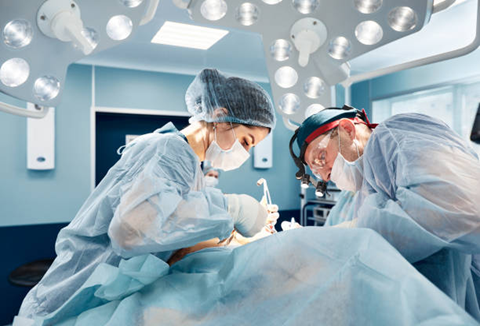
Robotic surgery is not conducted by robots, despite popular belief. Instead, the surgeon maintains complete control over the robotic arms at all times. The robot acts as a tool and can be considered a sort of helper to the surgeon, hence the term “robotic-assisted surgery.

Doctors use robotic surgery to remove tumors that are hard to reach, minimize operation timelines, and reduce side effects for people who have cancer and require surgery for treatment. These instruments first appeared in the late 1980s and are now becoming more widespread in operating rooms.

Dr. Sandeep Nayak, an accomplished surgical oncologist in Bangalore, India, says that robotic surgery may be the most sophisticated and advanced medical technology available today.

How is a robotic surgery conducted?

Robotic surgery includes a camera along with tiny surgical tools affixed to robotic arms. The robotic arms are controlled by an exceptionally skilled surgeon via a display monitor, usually located in the same area as the surgical table. 

However, the viewing screen can also be placed far away, enabling surgeons to undertake the telesurgery from different locations. The screen is part of a console, allowing surgeons to do procedures while seated and viewing a magnified three-dimensional representation of the patient’s surgery site.

Bangalore’s renowned surgical oncologist, Dr. Sandeep Nayak, prefers conducting robotic cancer surgery because it allows for better vision, which aids in preserving nerves and other vital structures during radical procedures.

What are the benefits of robotic surgery?

Robotic devices are frequently used in minimally invasive or laparoscopic surgeries. Small incisions are used in these surgeries, as the name implies. 

The following are just a few of the many advantages of robotic surgery:

  • Complication risk is lower
  • It enables cancerous tissue to be accurately removed
  • Reduced discomfort and pain
  • Reduced discomfort and pain
  • Recovery time is reduced
  • Allows you to resume normal activities faster
  • Incisions are smaller, and scarring is minimal
  • Transfusions and blood loss are reduced
  • Increasing the number of cancer survivors
  • Robotic devices have improved dexterity (in comparison with a surgeon’s hand), allowing access to difficult-to-reach areas
  • The magnification of the surgical site on the surgeon’s monitor allows for better visualization of the area to be operated on
  • The surgeon is less tired
  • Hand tremor among surgeons is no longer a problem (which commonly occurs during extended surgical procedures)

Dr. Sandeep Nayak, among the best oncologists in India, says that people are becoming increasingly aware of robotic cancer surgery due to its various benefits.

Who is not a good candidate for robotic surgery?

There are a variety of reasons why robotic surgery may not be a viable choice, including:

  • Obesity: 

The surgeon’s view of the operative site would be obstructed by fat tissue. Obesity does not automatically disqualify a person from robotic-assisted surgery; it is dependent on the individual’s anatomy, the type of cancer, and other conditions.

Obesity
  • Specific medical conditions or surgical procedures:

 Many problems are beyond the scope of robotic-assisted surgery, like reconstructive plastic microsurgery. Most robotic surgery instruments are now far too large and were not designed to do microsurgery on delicate tissues involved in most reconstructive treatments. Furthermore, the magnification for the surgeon’s view employing robotic aid technology is insufficient for proper viewing in microsurgery. The technology needed to undertake reconstructive plastic microsurgery has yet to be developed.

  • Contraindication or a specific risk

These are instances in which there is a significant risk of injury.

  • Comorbidity:

 Individuals with multiple (more than one) medical conditions.

Please do not hesitate to speak with the highly experienced oncologist Dr. Sandeep Nayak if you are not sure whether you are a good candidate for robotic surgery. 

What are the post-robotic surgery instructions?

Although recovery from robotic surgery is usually faster and there is less pain and discomfort than conventional surgery, you will have to restrict yourself from some activities. Post-operative guidelines may include:

  • Your surgeon may advise you to avoid lifting heavy objects or straining yourself until your healthcare professional permits you to resume normal activities.
  • Your surgeon may advise you to refrain from driving for at least a week.
  • Follow your surgeon’s directions for pain medication and other post-operative procedures.
  • Contact your healthcare provider if your pain intensifies and is not alleviated by pain medicine) or if you have bleeding, nausea, and vomiting.
  • If you notice pus or redness at any surgery site, you should call your healthcare provider immediately. This could signal that an infection has begun.

What are conditions generally treated with robotic surgery?

Robotic cancer procedures are typically used to operate on difficult-to-reach locations requiring extreme precision. 

The acclaimed surgical oncologist, Dr. Sandeep Nayak, employs the robotic-assisted technology to execute a wide range of surgical procedures, including:

  • Pancreatic surgery
  • Liver tumors
  • Tumors of the throat or tongue, thyroid cancer
  • Colon and rectal cancer
  • Urological surgeries like a section of kidney, prostate cancer, etc
  • Gynecologic surgery such as ovarian, uterus/cervical, etc

Conclusion

oncologist

Having cancer can be an extremely exhausting experience, and going through the various treatments and post-surgery side-effects can be painfully challenging to deal with. Fortunately, with robotic surgery, the recovery time is faster and it causes minimal discomfort.

If you or a loved one is considering getting robotic-assisted surgery for your medical condition, please visit Dr. Sandeep Nayak. 

Robotic surgery devices are noted for having a better range of motion and dexterity than standard minimally invasive or laparoscopic surgery devices. These devices enable the surgeons to operate on areas of the body that are difficult to reach and have a closer look at areas that are difficult to view. 

Dr. Nayak is a top-notch oncologist, and with over 15 years of expertise, he is one of the preferred surgeons people go to when they require robotic cancer surgery in Bangalore, India.

Top 10 Ways To Prevent Oral Cancer

Top 10 Ways To Prevent Oral Cancer

We all know how important it is to brush our teeth twice a day and floss once a day, but what about our other orifices?

Do the same things that cause cavities and gum disease also lead to mouth cancer? 

If you have ever wondered how to prevent mouth cancer, you are not the only one. Millions of people are afflicted by this disease every year, which is why prevention is so important. 

The eminent cancer specialist Dr. Sandeep Nayak says that oral cancer is a complex disease that is more than just a bacterial infection or bad breath. It is a combination of risk factors, genetics, and personal habits that can lead to an oral cancer diagnosis.

Please keep reading to learn more about this common disease, its symptoms, risk factors, and ways to reduce your chances of getting mouth cancer.

What Is Oral Cancer?

Oral or mouth cancer is cancer that forms in the tissues of your mouth or throat. It is part of a more significant category of head and neck cancers. This cancer develops in the squamous cells of your lips, gums, tongue, roof or floor of your mouth, and the inner lining of your cheeks.

Oral cancers do not usually develop until many years after the damage has occurred. As a result, the earlier you catch any potential problems, the more likely they will be effectively treated. 

What Are The Symptoms Of Oral Cancer?

Signs and symptoms of oral cancer include:

  • A sore on your lip or mouth that is not healing
  • A reddish or white patch inside your mouth
  • Loose or shaky teeth
  • A lump or growth inside your mouth
  • Pain in your mouth
  • Constant ear pain
  • Difficulty or pain when swallowing

If you or your loved one is experiencing any of these symptoms, please speak with Dr. Sandeep Nayak, among the best surgical oncologists in India. 

What Are The Risk Factors For Oral Cancer

Several risk factors can increase the likelihood of developing oral cancer. They include: 

  • A family history of cancer
  • Tobacco use
  • Chronic and excessive alcohol consumption
  • Heavy caffeine consumption
  • A long-term habit of chewing tobacco
  • Frequent exposure to radiation from x-rays, CT scans, etc
  • Regular use of smokeless tobacco products
  • Poor oral hygiene practices
  • Use of poorly fitted denture/oral prosthesis
  • Infection with the HPV virus

Ways To Reduce Your Risk Of Developing Oral Cancer

Follow a good oral hygiene

Brushing and flossing your teeth at least twice a day is the first step to maintaining a healthy mouth. A germ-infested mouth can become a breeding ground for germs to cause infections. A filthy mouth cavity also harms your immune system and reduces your body’s ability to fight cancer.

Do not chew paan 

The popular after-dinner treat ‘paan’ combines betel leaf with areca nut and other stimulant substances and is widely consumed in India. You may not know this, but it is among India’s primary causes of mouth cavity cancer.

Avoid chewing paan or any form of betel nuts, whether raw or processed, as it raises the risk of oral cancer.

Stop chewing tobacco

People who chew tobacco have a 5 – 25 fold higher risk of mouth cancer. Chewing tobacco has a significant risk of developing mouth cancer and should be avoided at all costs.

Quit smoking

Quitting smoking is one of the most preventative ways to reduce your risk of getting oral cancer. Not only will you be avoiding the risks associated with tobacco use, but you will also be reducing the risk of developing respiratory problems like emphysema or chronic bronchitis. Quitting tobacco use could even help cure some oral cancers with proper treatments.

Reduce exposure to UV rays 

One way to reduce your risk of getting oral cancer is to limit your exposure to the sun. Exposure to ultraviolet rays increases the risk for many types of cancers, and it is crucial for people with fair skin or light hair color to avoid excessive sun exposure. Similarly, wearing sunscreen can help decrease the chances of getting cancer from UV rays.

Diet and nutrition

Another effective way to prevent or reduce getting oral cancer is following a healthy diet and nutrition. A healthy diet includes the types of food you eat, the number of calories you consume, and how regularly you eat.

It is recommended that your diet consist predominantly of fruits, vegetables, and whole grains. Consume foods high in folic acid, which include leafy green vegetables such as spinach and kale and chard and collards. Also, remember to drink plenty of water daily.

The accomplished oncologist Dr. Sandeep Nayak says that eating right can help with both prevention and reduction because it helps keep your body healthy and strong enough to fight off any potential cancer cells before they start multiplying.

Regular check-ups

Regular check-ups and screenings are essential. A Pap smear is one of the most effective ways to detect cancer early on and prevent it from developing into a more severe condition.

Visit an orthodontist every 6 months to get screened for oral cancer, especially if you chew or smoke tobacco. Sharp teeth have been linked to an increased risk of oral cancer due to frequent injuries to oral tissues; therefore, if you have 1 or more sharp teeth, please consult with a dental surgeon. Even otherwise, seeing a dentist every 6 months is an excellent way to maintain good oral health.

Be active

An active lifestyle will boost your immune system and lower your cancer risk. You can include walking, jogging, skipping, cycling, swimming, strength, or weight training in your daily activities.

A strong immune system is a key to fighting off many ailments and safeguarding your body and health overall.

Protect yourself from HPV infection of the mouth

Sexual transmission, in addition to lifestyle choices, is a risk factor for mouth cancer. Human papillomavirus (HPV) can be transmitted through unprotected oral sex or the exchange of reproductive fluids, resulting in oral cancer. 

Moreover, despite the availability of numerous supplementary oral cancer screening devices and assays, none of them can currently spot HPV-positive oral and oropharyngeal malignancies early.

Conduct a self-exam every month

Oral self-exams, like breast self-exams, are an excellent approach to detecting and eradicating dangers early on. Examine your tongue’s back and sides thoroughly. Consult with your dentist right away if you notice (or feel) anything abnormal, such as lumps, bumps, painful places, or colored (red/white/grey) patches.

Conclusion

conclusionAs we age, our mouths gradually change. The cells in our mouth multiply and grow more numerous, leading to changes in the way our teeth and gums look and feel. These changes, known as dental aging, are entirely normal. But if the changes in your mouth are causing you concern, you might have to sit up and take action. Do not delay. Schedule an appointment with Dr. Sandeep Nayak for an oral cancer treatment in Bangalore or oral cancer screening.

Dr. Sandeep Nayak is a top-notch cancer specialist with over 15 years of expertise in all areas of cancer and its treatment. He is a pioneer of robotic and laparoscopic surgery and is committed to improving the quality of his patient’s lives.