What Is Laparoscopic Cancer Surgery?

What Is Laparoscopic Cancer Surgery?

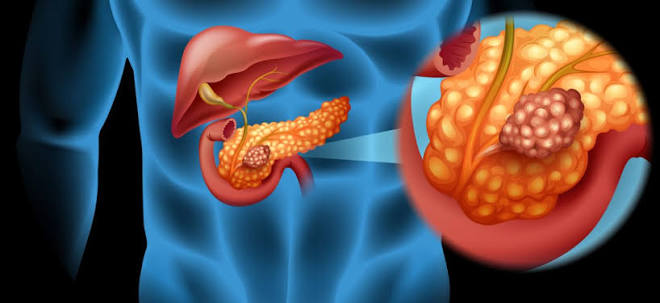
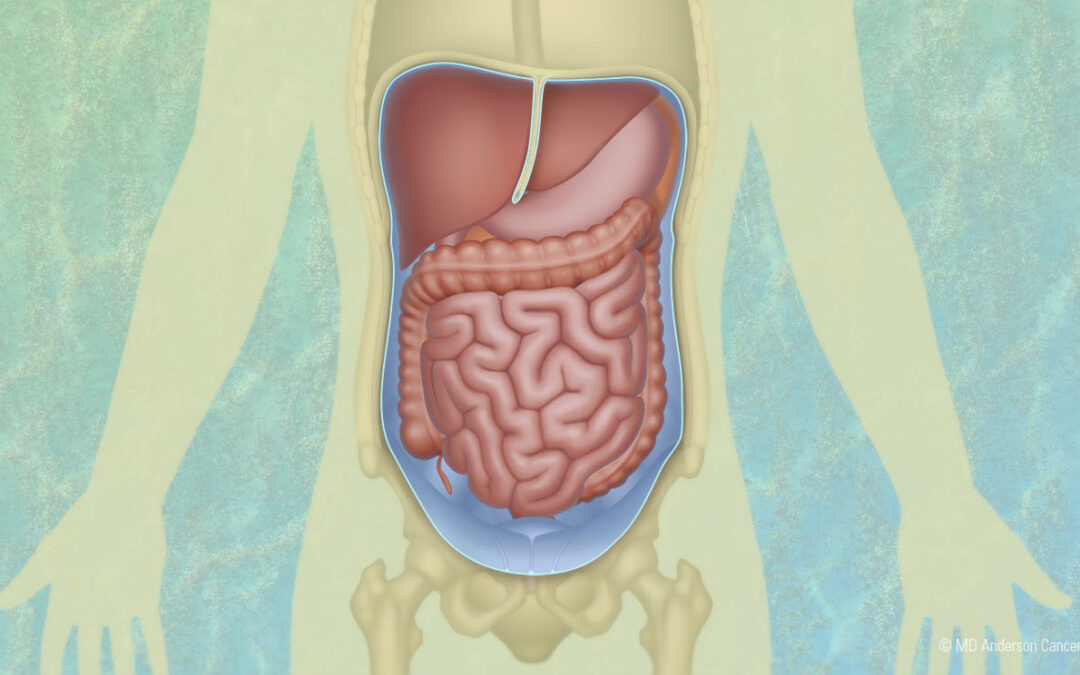
Laparoscopic cancer surgery is a minimally invasive technique using 3–5 tiny incisions, a high-magnification camera (laparoscope), and specialized instruments to remove tumours with high precision. This approach offers faster recovery, less pain, reduced blood loss, and fewer infections compared to open surgery. It is commonly used for colorectal, gynecological, kidney, and prostate cancers. 

According to Prof. Dr. Sandeep Nayak, Surgical Oncologist in India, “the smaller incisions aren’t the point what matters is achieving the same oncological result while reducing how much the operation itself sets the patient back physically.”

Thinking about whether laparoscopic surgery is right for your situation?

How Does the Procedure Actually Work?

The mechanics differ from open surgery but the standards for margin clearance and lymph node removal stay exactly the same throughout.

  • Creating Access: Small incisions allow the camera and instruments in, carbon dioxide inflates the cavity to create a working room, and the surgeon operates from outside the body while watching a magnified view on screen that often shows anatomy more clearly than direct vision through a large incision would.
  • The Resection: Cancer is dissected free of surrounding tissue, lymph nodes are taken where needed and the specimen comes out through one of the incisions, sometimes with a small extension to the opening margin requirements don’t change just because the approach is minimally invasive.
  • Recovery Difference: Most patients are walking the next day and go home within two to four days, which matters clinically because patients who recover faster from surgery tolerate adjuvant chemotherapy better and start it sooner.
  • When It’s Not Used: Tumours that have grown into major vessels, certain very large lesions or cases where previous abdominal surgery has created significant scarring may not be suitable, and laparoscopic cancer surgery is only offered when the surgeon is confident the oncological result won’t be compromised by the approach.

Patient selection is what makes laparoscopic cancer surgery safe and effective, and getting that selection wrong is what creates problems.

Which Cancers Is It Used For?

The range has expanded considerably over the past decade and laparoscopic approaches are now standard for several cancer types that previously required open surgery as a default.

  • Colorectal Cancer: Laparoscopic colectomy and rectal resection are probably the most established minimally invasive cancer operations available, with long-term data showing the same survival, recurrence and margin outcomes as open surgery when the surgeon has sufficient volume and experience.
  • Gastric Cancer: Stomach cancer surgery laparoscopically is increasingly common particularly in early and locally advanced cases, though D2 lymphadenectomy demands a high level of operative skill and isn’t something every centre should be attempting through this approach.
  • Gynaecological Cancers: Radical hysterectomy, lymph node dissection and staging procedures for uterine and cervical cancers are routinely done laparoscopically, and in some pelvic cases robotic cancer surgery offers additional precision that the standard laparoscopic setup doesn’t quite match.
  • Liver and Adrenal: Left lateral liver resections and adrenalectomies that once required large incisions are now regularly completed laparoscopically at high-volume centres, though right-sided liver resections and anything involving major vascular reconstruction still sit outside what most laparoscopic programmes should routinely take on.

The decision about whether laparoscopy works for a specific case depends entirely on the tumour and the team, and for context on how this fits into the broader picture of cancer surgery decisions, cancer surgery is covered separately.

Why Choose Dr. Sandeep Nayak for Laparoscopic Cancer Surgery

Dr. Sandeep Nayak trained specifically in laparoscopic cancer surgery through a dedicated fellowship in Laparoscopic and Robotic Onco-Surgery and holds DNB qualifications in Surgical Oncology and General Surgery, with 24 years of minimally invasive oncological experience across colon, gastric, gynaecological, liver and other cancer types. He heads Oncology Services across Karnataka and leads Surgical Oncology and Robotic Surgery at KIMS Hospital, Bangalore, with originator credits for RABIT, MIND and L-VEIL techniques and over 25 published clinical studies. Patients who want an honest assessment of whether a laparoscopic approach is genuinely possible for their case are seen here with every decision reviewed through tumour board consensus first. Call +91 8104310753 to book your consultation.

Frequently Asked Questions

Is laparoscopic cancer surgery as effective as open surgery oncologically?

For the cancer types where it is well established, outcomes data shows equivalent margin clearance, lymph node yield and survival rates.

Can laparoscopic surgery be used for all cancer cases?

No tumour size, location, prior abdominal surgery and the surgeon’s specific experience all factor into whether a minimally invasive approach is appropriate.

How quickly do patients recover after laparoscopic cancer surgery?

Most are mobile within 24 hours and discharged within two to four days, which is considerably faster than recovery from equivalent open procedures.

Does laparoscopic surgery increase the risk of cancer spreading?

No clinical evidence supports this a properly performed laparoscopic cancer resection carries the same oncological safety profile as open surgery.

Reference links:

  1. National Cancer Institute — Surgery to Treat Cancer
  2. National Institutes of Health — Minimally Invasive Surgery in Oncology
  • Disclaimer: The information shared in this content is for educational purposes and not for promotional use.
Cancer Staging and Why It Determines Surgery

Cancer Staging and Why It Determines Surgery

Cancer staging classifies the size, location, and spread of cancer (Stages 0-IV) using the TNM system Tumor size, Node involvement, and Metastasis. This process is critical because it dictates whether surgery is appropriate for curative, palliative, or diagnostic purposes, determining if a tumor can be resected (removed) or if systemic treatment is needed first

According to Prof. Dr. Sandeep Nayak, Surgical Oncologist in India, “staging isn’t just a number we assign, it’s a clinical picture that tells us whether the disease is still within reach surgically and what we can realistically offer the patient at that point.”

Want to understand how your cancer stage affects your surgical options?

How Is Cancer Staging Actually Done?

Staging combines imaging, biopsy results and sometimes surgical findings to build the most accurate picture possible of how far the disease has progressed.

  • Imaging Assessment: CT scans, MRI and PET scans map the tumour’s size, location and whether it has reached nearby structures or distant organs, giving the surgical team a baseline before any decision about operating is made.
  • Pathological Staging: Once a biopsy confirms the cancer type and grade, that information combines with imaging to produce a clinical stage, and in some cases the final stage can only be confirmed after surgery when lymph nodes and surrounding tissue are examined properly.
  • TNM Classification: Most solid tumour cancers are staged using a system that scores tumour size, node involvement and distant spread separately, and it’s the combination of those three scores rather than any single factor that determines the overall stage and what laparoscopic cancer surgery or other approaches can realistically achieve.
  • Staging Surgery: When scans aren’t enough to confirm spread, a surgical staging procedure physically examines the peritoneum, lymph nodes or surrounding structures to fill in the gaps that imaging simply cannot resolve with enough certainty to plan treatment around.

Staging isn’t a one-time event for every cancer type  some cancers get restaged after initial treatment to see whether the disease has responded well enough to change what’s surgically possible next.

Why Does Staging Directly Determine Surgical Decisions?

The stage isn’t just background information. It’s the primary variable that shapes what the surgical team can offer and in what order.

  • Early Stage Cancers: When disease is confined to the primary site and hasn’t reached lymph nodes or distant organs, surgery with clear margins is usually the first and most important step because the realistic chance of removing the problem entirely is at its highest.
  • Locally Advanced Disease: A tumour that has grown into surrounding structures or involved regional lymph nodes may not be safely resectable straight away, which is why chemotherapy or radiation often runs first to shrink it before robotic cancer surgery becomes technically possible with acceptable margins.
  • Borderline Resectable Cases: Some tumours sit right on the edge of what’s operable, close to a major vessel or involving a critical structure, and the staging findings are what the tumour board uses to decide whether surgery should be attempted or whether a non-operative approach gives the patient a better outcome.
  • Stage 4 Disease: Distant spread doesn’t automatically rule out surgery but it fundamentally changes its intent curative resection is rarely on the table but palliative surgery to relieve obstruction, control bleeding or reduce tumour burden can still make a meaningful difference to the patient’s quality of life.

Staging and surgical planning are inseparable, and for a clearer account of how different cancer surgeries are approached once staging is confirmed, cancer surgery is covered separately.

Why Choose Dr. Sandeep Nayak for Cancer Staging and Surgery?

Dr. Sandeep Nayak holds DNB qualifications in Surgical Oncology and General Surgery with a fellowship in Laparoscopic and Robotic Onco-Surgery and 24 years of experience translating staging findings into surgical decisions across a wide range of cancer types and presentations. He leads cancer surgery and Robotic Surgery at KIMS Hospital, Bangalore and heads Oncology Services across Karnataka, with originator credits for RABIT, MIND and L-VEIL techniques and over 25 published clinical studies. Patients with complex staging findings, borderline resectable tumours or cases that other centres have found difficult to categorise are assessed here with every operative decision going through full tumour board review. Call +91 8104310753 to book your consultation.

Frequently Asked Questions

What is the difference between clinical and pathological staging?

Clinical staging uses imaging and biopsy findings before surgery while pathological staging is confirmed from tissue examined during or after the operation.

Does a higher cancer stage always mean surgery isn't possible?

Not necessarily stage affects the intent and timing of surgery but even advanced cases may benefit from palliative or debulking procedures depending on the situation.

Can cancer staging change after treatment starts?

Yes, restaging after chemotherapy or radiation is common and the findings often determine whether surgery becomes possible that wasn’t an option initially.

Who decides the cancer stage and what to do with it?

A multidisciplinary tumour board reviews all imaging, pathology and clinical findings together before any staging-based treatment decision is finalised.

Reference links:

  1. National Cancer Institute — Cancer Staging
  2. National Institutes of Health — TNM Classification and Surgical Planning
  • Disclaimer: The information shared in this content is for educational purposes and not for promotional use.
What Makes Cancer Surgery Different From Regular Surgery

What Makes Cancer Surgery Different From Regular Surgery

Regular surgery fixes a problem. Cancer surgery does something considerably more involved than that. The margins around the tumour matter as much as the tumour itself, the operation connects directly to chemotherapy or radiation that may follow, and every major decision goes through a team review before the patient even gets a surgery date. That entire framework simply doesn’t exist in routine operative care.

According to Prof. Dr. Sandeep Nayak, Surgical Oncologist in India, “in cancer surgery the operation itself is one step in a longer plan and if that step isn’t executed with the right oncological intent, everything that follows it becomes harder to manage.”

Thinking about who should be handling your cancer surgery?

How Is Cancer Surgery Clinically Different?

The differences run deeper than technique and touch every part of how the procedure is planned, performed and followed up.

  • Surgical Margins: Taking the tumour out isn’t enough on its own because the tissue surrounding it needs to come back clear as well, and when it doesn’t the whole question of whether the cancer was actually removed has to be revisited from the start.
  • Pre-Operative Staging: Scans aren’t just background information in cancer surgery  CT, MRI and PET results determine whether laparoscopic cancer surgery is appropriate, whether another approach works better or whether surgery should even happen before other treatments run first.
  • Tumour Board Review: A routine operation involves a surgeon and an anaesthetist. A cancer operation involves oncologists, radiologists and radiation specialists all reviewing the plan together before a single decision gets locked in.
  • Post-Operative Oncological Care: Recovery from routine surgery is mostly physical but after cancer surgery there’s pathology to review, adjuvant therapy to arrange and a surveillance schedule to maintain because the follow-up period is where recurrence either gets caught early or doesn’t.

What separates cancer surgery from general operative work isn’t just the complexity of the procedure it’s the entire clinical system built around it.

What Does This Mean for the Patient?

Understanding where the differences actually sit helps patients ask better questions and make more confident decisions about who they want involved in their care.

  • Surgeon Selection: A general surgeon and a surgical oncologist both operate, but only one has been specifically trained in oncological margin control, tumour staging and the biology that shapes every intraoperative decision, which matters more than most patients realise going in.
  • Treatment Sequencing: Surgery doesn’t always come first in cancer care because some tumours need chemotherapy or radiation to shrink them to a point where robotic cancer surgery can remove them with the precision and margin clearance the case actually requires.
  • Recurrence Risk: Every technical decision in cancer surgery from how wide the margins are taken to whether lymph nodes get assessed carries a direct consequence for long-term recurrence risk in a way that simply has no equivalent in routine operative work.
  • Integrated Follow-Up: Cancer patients leave theatre with a structured follow-up plan that includes imaging, tumour marker monitoring and coordinated input from multiple specialists because the surgical outcome feeds directly into every decision that comes after it.

Getting the right specialist involved before surgery rather than after is one of the most straightforward ways to avoid a situation where short-term decisions create long-term problems. For a broader understanding of how cancer surgery actually works, cancer surgery is covered separately.

Why Choose Dr. Sandeep Nayak for Cancer Surgery?

Dr. Sandeep Nayak holds DNB qualifications in Surgical Oncology and General Surgery with a fellowship in Laparoscopic and Robotic Onco-Surgery and 24 years of experience in cases where oncological precision directly determined what was possible for the patient long term. He leads cancer surgery and Robotic Surgery at KIMS Hospital, Bangalore and heads Oncology Services across Karnataka, with originator credits for RABIT, MIND and L-VEIL techniques and over 25 published clinical studies. Patients with complex presentations or cases declined elsewhere are fully assessed here with every operative decision going through tumour board consensus. Call +91 8104310753 to book your consultation.

Frequently Asked Questions

Is cancer surgery riskier than regular surgery?

The risk profile is different because cancer procedures involve margin control, longer operating times and more complex post-operative oncological management.

Can a general surgeon perform cancer surgery?

In straightforward cases sometimes, but surgical oncologists carry specific training in staging, margins and oncological outcomes that general surgery doesn’t include.

Why does cancer surgery need a tumour board involved?

Because the surgical plan directly shapes chemotherapy, radiation and follow-up decisions that require input from multiple specialists before the operation starts.

How does recovery from cancer surgery differ from routine surgery?

Cancer surgery recovery includes pathology review, adjuvant therapy decisions and long-term surveillance that routine operative recovery simply doesn’t involve.

Reference links:

  1. National Cancer Institute — Surgery to Treat Cancer
  2. National Institutes of Health — Surgical Oncology and Cancer Treatment
    • Disclaimer: The information shared in this content is for educational purposes and not for promotional use.
    What Is a Biopsy and How Is It Done for Cancer

    What Is a Biopsy and How Is It Done for Cancer

    A biopsy is a medical procedure that removes a small sample of tissue, cells, or fluid from the body to be examined under a microscope by a pathologist. It is the most definitive way to diagnose cancer, determine its type, and plan treatment, often performed using needle aspiration, surgical excision, or endoscopic techniques guided by imaging.

    According to Prof. Dr. Sandeep Nayak, Surgical Oncologist in India, “we cannot build a proper treatment plan from imaging alone  the biopsy is what tells us the cancer type, the grade and the receptor profile, and every clinical decision after that depends on getting those details right.”

    Have questions about what a biopsy result means for your treatment?

    What Types of Biopsy Are Used in Cancer?

    The technique chosen depends on where the tissue is and how much of it is needed to get a reliable answer from the laboratory.

    • Fine Needle Aspiration: A thin needle draws cells from the target site without any incision, suitable when the lesion sits close enough to the surface and a preliminary cell assessment is all that’s needed to move the workup forward.
    • Core Needle Biopsy: A thicker needle removes a small column of tissue rather than loose cells, which gives pathologists far more material to work with and produces a considerably more accurate reading of tumour grade and receptor characteristics.
    • Excisional Biopsy: The whole lump gets surgically removed and sent for analysis, used when it’s small enough to take out entirely or when needle samples have repeatedly failed to give a clear enough answer to act on.
    • Endoscopic Biopsy: A flexible scope passes through a natural body opening to reach and sample tissue in the oesophagus, stomach or bowel, and where deeper abdominal access is needed, laparoscopic cancer surgery techniques make it possible to reach the site with minimal disruption to surrounding structures.

    The biopsy method isn’t chosen arbitrarily; it comes down to what the clinical team needs from the sample and which technique can actually deliver that from the location in question.

    What Happens After the Tissue Is Collected?

    Getting the sample is only the first part. What happens in the laboratory afterward is where the clinically actionable information actually comes from.

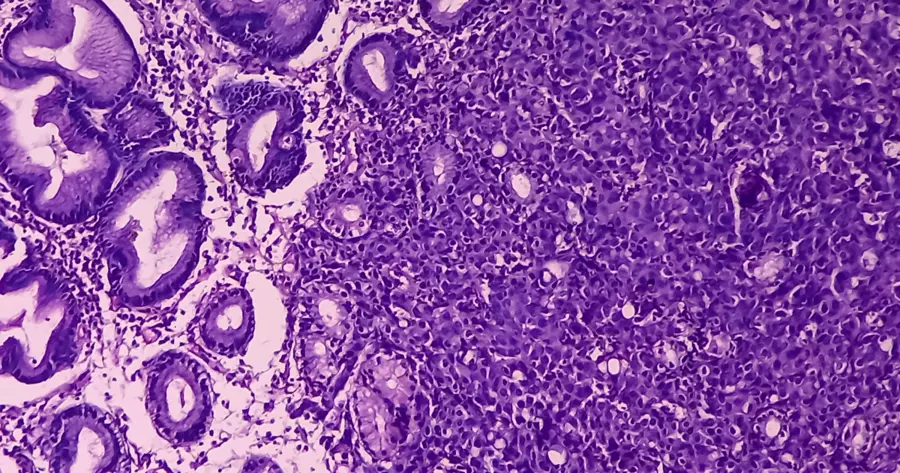
    • Histopathology: The tissue is processed, stained and examined by a pathologist who determines whether cancer cells are present, identifies the tumour type and assesses how abnormal the cells look relative to healthy tissue in the same area.
    • Receptor and Gene Testing: Breast, lung and several other cancer types get tested for hormone receptors, HER2 status and specific mutations because those results are what determine whether robotic cancer surgery alone is sufficient or whether targeted therapy needs to run alongside or before it.
    • Staging Correlation: The pathology report doesn’t get read in isolation  it’s placed alongside scan findings and clinical examination to confirm how far the cancer has spread, which is what determines whether surgery or systemic treatment should come first.
    • Tumour Board Review: Before any plan reaches the patient, the full biopsy report goes in front of a multidisciplinary team where surgeons, oncologists and radiologists interpret everything together, because individual results don’t drive decisions the full picture does.

    Turnaround time varies from a few days for standard histopathology to a couple of weeks when molecular testing is included, and for a clearer sense of how biopsy findings connect to surgical decisions, cancer surgery is covered separately.

    Why Choose Dr. Sandeep Nayak for Cancer Diagnosis and Surgery?

    Dr. Sandeep Nayak holds DNB qualifications in Surgical Oncology and General Surgery with a fellowship in Laparoscopic and Robotic Onco-Surgery and 24 years of experience in cases where accurate early diagnosis shaped what remained possible for the patient surgically and systemically. He leads cancer surgery and Robotic Surgery at KIMS Hospital, Bangalore and heads Oncology Services across Karnataka, with originator credits for RABIT, MIND and L-VEIL techniques and over 25 published clinical studies. Patients who need a second opinion on a biopsy result, clarification on a diagnosis or a full surgical assessment are seen here with every decision reviewed through tumour board consensus before it reaches them. Call +91 8104310753 to book your consultation.

    Frequently Asked Questions

    Does every cancer case require a biopsy before treatment?

    In almost every case yes, because imaging cannot confirm cancer type, grade or molecular profile with the accuracy that treatment decisions actually need.

    How long before biopsy results come back?

    Standard histopathology usually returns within five to seven days, though molecular and genetic panels can extend that to two weeks or more.

    Is the biopsy procedure painful?

    Needle biopsies use local anaesthesia so the procedure itself is tolerable, though some soreness at the collection site for a day or two afterward is normal.

    Can a biopsy make cancer spread to other areas?

    No credible clinical evidence supports the idea that a properly performed biopsy causes cancer to spread elsewhere in the body.

    Reference links:

    1. National Cancer Institute — Biopsy for Cancer Diagnosis
    2. National Institutes of Health — Pathological Diagnosis in Oncology
    • Disclaimer: The information shared in this content is for educational purposes and not for promotional use.
    Types of Cancer Surgery Explained

    Types of Cancer Surgery Explained

    Cancer surgery isn’t one procedure applied the same way across every case. Some operations aim to remove the disease entirely, others are done just to confirm what the cancer actually is, and some are performed specifically to make the patient more comfortable when cure is no longer possible. The type recommended depends on how far the cancer has progressed and what the treatment is realistically trying to achieve.

    According to Prof. Dr. Sandeep Nayak, Surgical Oncologist in India, “getting the surgical type right matters as much as getting the technique right operating with the wrong intent at the wrong stage doesn’t help the patient, it just adds risk.”

    Want to understand which surgical approach fits your diagnosis?

    What Are the Main Types of Cancer Surgery?

    The primary types differ in purpose and each one is selected based on what stage the disease has reached and what the clinical team is trying to accomplish.

    • Curative Surgery: The cancer is localised and the aim is to take it out completely with clean margins around it, which gives the patient the best realistic shot at the disease not coming back after the operation.
    • Debulking Surgery: Full removal isn’t on the table because of where the tumour sits or how much it has grown, so surgeons remove as much as safely possible to make robotic cancer surgery or follow-up treatment more effective on whatever is left.
    • Diagnostic Surgery: A biopsy or small excision takes tissue out for lab testing because without knowing exactly what kind of cancer it is and how aggressive, no treatment plan can be built on solid ground.
    • Palliative Surgery: The disease has advanced beyond the point where operating can change its course, so the procedure focuses on specific complications like a blocked bowel or a tumour pressing on a nerve to keep the patient functioning as well as possible.

    These four types cover the majority of cancer surgical decisions and every recommendation goes through a full multidisciplinary team review before anything is finalised.

    What Supporting Surgical Approaches Are Also Used?

    A number of other procedures run alongside the main surgical types and each one fills a specific gap depending on where the patient is in their treatment journey.

    • Preventive Surgery: Patients with a confirmed high genetic risk such as BRCA mutations may be offered surgery to remove tissue that hasn’t yet become cancerous, based on a documented risk assessment rather than any current diagnosis.
    • Reconstructive Surgery: After a major resection removes tissue in areas like the breast or jaw, reconstruction work restores appearance and function, and laparoscopic cancer surgery during the primary procedure helps keep that reconstruction manageable by limiting initial tissue loss.
    • Staging Surgery: When scans alone can’t give the full picture of how far the cancer has spread, a surgeon physically examines the surrounding tissue and nodes to get the information needed to make the next treatment decision.
    • Supportive Surgery: Port insertion for chemotherapy delivery, feeding tube placement, or other procedures that don’t directly target the cancer but make it possible for the patient to get through the rest of their treatment without their condition deteriorating further.

    These procedures don’t replace the primary operation but they’re often just as important to the overall outcome, and for a clearer sense of how the full surgical picture fits together, cancer surgery is covered separately.

    Why Choose Dr. Sandeep Nayak for Cancer Surgery?

    Dr. Sandeep Nayak holds DNB qualifications in Surgical Oncology and General Surgery with a fellowship in Laparoscopic and Robotic Onco-Surgery and 24 years of experience across every category of cancer surgery from straightforward curative resections through to complex palliative and reconstructive cases. He heads Oncology Services across Karnataka and leads Surgical Oncology and Robotic Surgery at KIMS Hospital, Bangalore, with originator credits for RABIT, MIND and L-VEIL techniques and over 25 published clinical studies behind him. Patients with complex presentations, rare tumours or cases that other centres have declined get a full assessment here with every operative decision made through tumour board consensus and outcomes tracked against real data. Call +91 8104310753 to book your consultation.

    Frequently Asked Questions

    What is the most common type of cancer surgery?

    Curative surgery is performed most often when the tumour is contained and complete removal with clear margins is achievable.

    Is palliative surgery worth considering in advanced cancer?

    For many patients it makes a real difference to daily life by relieving specific complications even when the disease itself can no longer be controlled.

    Who decides which type of cancer surgery a patient needs?

    A multidisciplinary tumour board reviews staging, cancer location, patient fitness and the full treatment picture before confirming any surgical approach.

    Can a patient need more than one type of cancer surgery?

    Fairly common diagnostic surgery often comes first, followed by curative or debulking surgery and then reconstruction depending on what the case requires.

    References

    1. National Cancer Institute — Types of Cancer Surgery
    2. National Institutes of Health — Surgical Approaches in Oncology
    • Disclaimer: The information shared in this content is for educational purposes and not for promotional use.

    Surgical Oncologist: Role and Cancers They Treat

    Surgical Oncologist: Role and Cancers They Treat

    A surgical oncologist is not a general surgeon who occasionally removes tumours. The training is specific to cancer, covering how tumours behave, how margins affect outcomes and how surgery connects to everything else in the treatment plan. Most solid tumour cancers, breast, colon, liver, pancreas, thyroid and head and neck, are managed within this specialty.

    According to Prof. Dr. Sandeep Nayak, Surgical Oncologist in India, “patients often come in thinking any surgeon can handle their cancer case, but the decisions made in theatre and around it are fundamentally different when oncological outcomes are the goal.”

    Want to know if a surgical oncologist is the right specialist for your case?

    What Does a Surgical Oncologist Actually Do?

    The role goes well beyond operating and covers clinical decisions at every stage of the cancer treatment journey.

    • Tumour Assessment: Before any operation is planned, scans, biopsy findings and staging results are reviewed together to work out whether surgery will genuinely benefit the patient or whether a different approach makes more sense first.
    • Operative Management: The choice between open, laparoscopic or robotic surgery comes down to where the tumour is, how far it has spread and what level of perioperative risk the patient can reasonably carry going into theatre.
    • MDT Participation: No complex cancer case gets decided by one person alone because the surgical pathway always goes through a multidisciplinary team where oncologists, radiologists and radiation specialists all agree on the plan first.
    • Post-Operative Care: Once surgery is done, pathology results are reviewed, follow-up treatment is arranged where needed and surveillance runs on a fixed schedule because picking up any change in the disease early genuinely changes what options are still available.

    Getting a surgical oncologist involved at the right time is one of the clearest factors that separates a treatment plan built on solid clinical ground from one that’s making things up as it goes.

    Which Cancers Do Surgical Oncologists Treat?

    Solid tumours across most organ systems fall within this specialty and the technical approach varies considerably depending on which site is involved.

    • GI Cancers: Colon, rectal, stomach, oesophageal and pancreatic cancers all land here with procedures like bowel resection, gastrectomy and Whipple surgery chosen based on how far the disease has spread and which structures around the tumour are involved.
    • Breast Cancer: Surgery ranges from removing just the lump through to full mastectomy with axillary clearance, and breast cancer treatment decisions are driven by the tumour’s receptor profile and nodal burden rather than size alone.
    • Hepatobiliary Cancers: Liver resections, bile duct surgery, adrenal tumours and retroperitoneal sarcomas sit here and these are genuinely complex cases that need a surgeon with high specific operative volume and the institutional backup to handle complications.
    • Head, Neck and Thyroid: Oral cancers, thyroid malignancies, laryngeal tumours and neck dissections are managed within this domain, and robotic cancer surgery has materially changed what’s achievable here in terms of precision and how patients recover afterward.

    Gynaecological and thoracic cancers also fall within the scope depending on training and setup, and for a full account of how cancer surgery works in practice, cancer surgery is covered separately.

    Why Choose Dr. Sandeep Nayak for Surgical Oncology?

    Dr. Sandeep Nayak holds DNB qualifications in Surgical Oncology and General Surgery with a fellowship in Laparoscopic and Robotic Onco-Surgery and 24 years of experience managing cancer cases that span multiple organ systems and levels of complexity. He heads Oncology Services across Karnataka and leads surgical oncology and Robotic Surgery at KIMS Hospital, Bangalore, with originator credits for RABIT, MIND and L-VEIL techniques and over 25 published clinical studies. Cases involving rare tumours, multi-organ disease or situations where other centres have turned patients away are assessed here with operative decisions going through tumour board consensus every time. Call +91 8104310753 to book your consultation.

    Frequently Asked Questions

    What separates a surgical oncologist from a general surgeon?

    A surgical oncologist has specific training in cancer resection, oncological staging and margin-based outcomes that general surgery training does not cover.

    Does a surgical oncologist only perform surgery?

    The role includes diagnosis, staging, tumour board participation and structured post-operative cancer monitoring throughout the full treatment course.

    When is the right time to see a surgical oncologist?

    At the point of a cancer diagnosis, particularly when a solid tumour has been identified and surgery is likely to be part of what comes next.

    Do surgical oncologists handle all types of cancer?

    Primarily solid tumour cancers and blood cancers like leukaemia are managed separately by haematology and oncology teams rather than surgical specialists.

    Reference links:

    1. National Cancer Institute — Surgical Oncology Overview
    2. National Institutes of Health — Role of Surgery in Cancer Treatment
      • Disclaimer: The information shared in this content is for educational purposes and not for promotional use.