
Is Rectal Cancer Curable?

Is Rectal Cancer Curable?

Yes, rectal cancer can be curable, especially when diagnosed in its early stages. The chances of cure depend on the stage of cancer, tumor size, lymph node involvement, and overall patient health. With advancements in surgery, chemotherapy, radiation therapy, and robotic techniques, survival rates have improved significantly.

According to Dr Sandeep Nayak, a seasoned Surgical Oncologist,
“Early detection and a personalized treatment plan are key factors that determine successful outcomes in rectal cancer patients.”

What Are the Key Factors That Determine the Curability of Rectal Cancer?

Several medical and patient-related factors influence whether rectal cancer can be successfully cured. Understanding these factors helps guide treatment decisions and improve long-term outcomes.

  • Early Detection: Regular screening (such as colonoscopies) helps detect and remove polyps before they become cancerous or allows treatment at early, highly curable stages.
  • Treatment Approach: Rectal cancer treatment often follows a “multimodal” strategy, combining chemotherapy and radiation before surgery to shrink the tumor, followed by precise surgical removal.
  • Surgery: The primary goal is complete surgical removal of the tumor. Modern techniques often preserve the anal canal, helping many patients avoid a permanent colostomy.
  • Advanced Cancer: Even if the cancer has spread (metastatic), it is not always incurable. Targeted therapy, immunotherapy, and advanced surgical methods can control or sometimes eliminate the disease.
  • “Watch and Wait” Strategy: In selected cases where chemotherapy and radiation cause the tumor to completely disappear, surgery may be avoided, and the patient is closely monitored instead.

To understand early symptoms in detail, read our guide on First Signs of rectal cancer and when to seek medical attention.

What Treatments Help Make Rectal Cancer Curable?

The main goal of treatment is complete tumor removal and prevention


 of recurrence. Treatment options include:

  • Surgery: Removal of the tumor and affected lymph nodes.
  • Radiation Therapy: Often given before surgery to shrink the tumor.
  • Chemotherapy: Helps destroy remaining cancer cells and reduce recurrence risk.
  • Robotic Cancer Surgery: Offers precision, reduced complications, and faster recovery in selected cases.

To learn more about advanced treatment options and expert care, explore our rectal cancer treatment services.

When Should You Consult Dr Sandeep Nayak for Rectal Cancer?

You should consult Dr Sandeep Nayak, oncologist in Bangalore, if you experience persistent symptoms such as rectal bleeding, changes in bowel habits, unexplained weight loss, abdominal discomfort, or ongoing fatigue. Early evaluation is crucial, as rectal cancer is highly curable when detected in its initial stages.

It is also important to seek expert consultation if a colonoscopy, biopsy, or imaging test shows abnormal findings. Patients who have been diagnosed with rectal cancer, advised surgery or chemotherapy, or are seeking a second opinion for advanced or recurrent disease should consult Dr Sandeep Nayak for comprehensive staging, personalized treatment planning, and access to advanced surgical techniques.

Frequently Asked Questions

Is rectal cancer 100% curable?

It can be highly curable in early stages, but outcomes depend on stage and timely treatment.

What is the survival rate of rectal cancer?

Early-stage rectal cancer has survival rates above 90%, while advanced stages vary depending on spread.

Can rectal cancer come back after treatment?

Yes, recurrence is possible, which is why regular follow-up is essential.

Is surgery always required for rectal cancer?

Most cases require surgery, often combined with chemotherapy and radiation.

Reference links:

https://my.clevelandclinic.org/health/diseases/17179-liver-disease

https://britishlivertrust.org.uk/information-and-support/liver-health-2/symptoms-of-liver-disease/

Disclaimer: The information shared in this content is for educational purposes and not for promotional use.

 Does Itchy Breast Mean Cancer? Causes & Warning Signs

 Does Itchy Breast Mean Cancer? Causes & Warning Signs

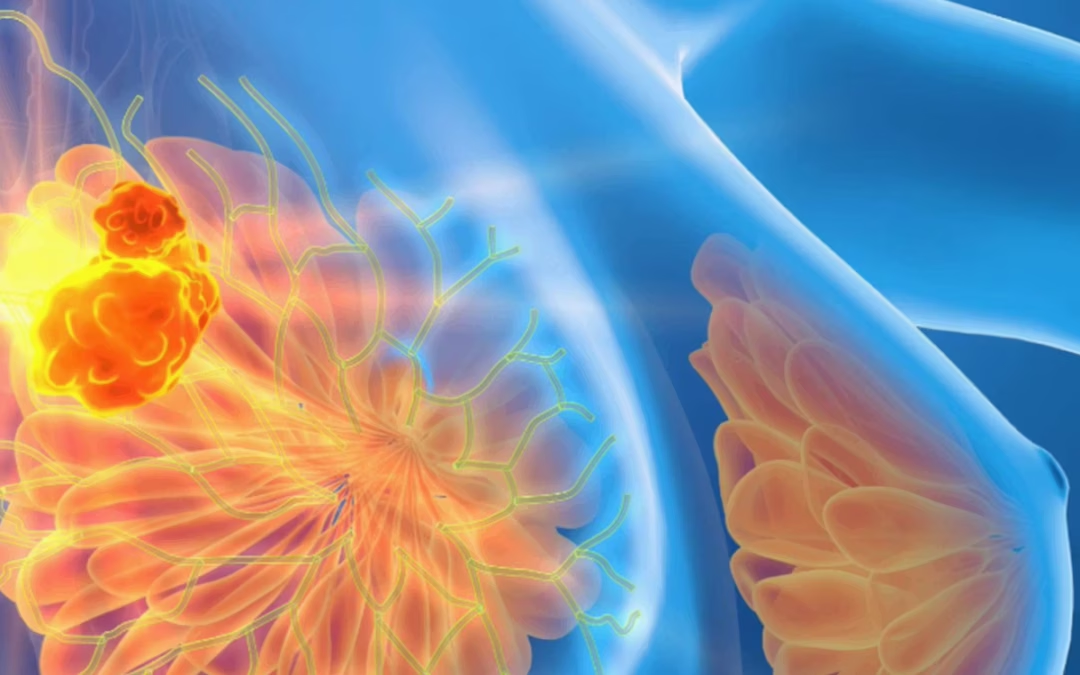
An itchy breast is a common symptom that most women experience at some point, and in the majority of cases, it is not linked to cancer. Skin irritation, hormonal changes, allergies, or dryness are usually the main causes of breast itching.

According to Dr. Sandeep Nayak,
Isolated itching without other breast changes is rarely a sign of breast cancer. However, persistent itching accompanied by redness, skin thickening, nipple changes, or swelling should not be ignored and requires evaluation by a breast cancer specialist.”

What Are the Common Causes of Itchy Breast?

Breast itching is often related to harmless conditions affecting the skin or hormonal balance rather than malignancy.

  • Skin dryness and irritation: Dry skin can cause persistent itching, especially in cold weather. Using harsh soaps or synthetic fabrics may worsen irritation.
  • Hormonal fluctuations: Changes during menstruation, pregnancy, or menopause can make breast skin sensitive. This sensitivity may result in mild to moderate itching.
  • Allergic reactions: Detergents, perfumes, or new clothing materials can trigger contact dermatitis. Redness and mild rashes may accompany itching.
  • Fungal or bacterial infections: Infections under the breast fold can cause itching and redness. These are usually treatable with proper medication.
  • Eczema or psoriasis: Chronic skin conditions may affect the breast area. These conditions often present with scaling and itching.

To understand early warning signs of breast cancer, you can read our detailed guide on breast cancer symptoms and diagnosis.

When Can Itchy Breast Be a Sign of Cancer?

Although rare, persistent itching may sometimes be linked to specific types of breast cancer. It is important to assess associated symptoms.

  • Inflammatory breast cancer: This aggressive form may cause redness, warmth, and itching. The breast may appear swollen or thickened.
  • Paget’s disease of the breast: This rare condition affects the nipple and areola. It may present as itching, flaking, or crusting of the nipple skin.
  • Skin thickening or dimpling: Changes in skin texture resembling an orange peel should be evaluated. These signs may indicate underlying disease.
  • Nipple discharge: Unusual discharge along with itching can be concerning. Medical consultation is advised in such cases.
  • Persistent, unexplained symptoms: Itching that does not improve over weeks needs professional assessment. Early diagnosis improves treatment outcomes.

Why Should You Consult Dr. Sandeep Nayak for Breast Cancer Evaluation?

Dr. Sandeep Nayak is a highly experienced surgical oncologist in India known for advanced breast cancer management and minimally invasive cancer surgery. With expertise in diagnosing complex breast conditions including inflammatory breast cancer and Paget’s disease, Dr. Sandeep Nayak focuses on accurate evaluation, evidence-based treatment planning, and personalized care. His approach ensures that symptoms like itchy breast cancer concerns are properly assessed, helping patients receive timely breast cancer treatment when necessary.

Frequently Asked Questions

Is itching a common symptom of breast cancer?

 Itching alone is uncommon in breast cancer, but persistent itching with other changes should be checked.

What does inflammatory breast cancer feel like?

 It may cause swelling, redness, warmth, and skin thickening rather than a distinct lump.

Should I worry about an itchy nipple?

 If itching is persistent with scaling, discharge, or skin changes, medical evaluation is recommended.

Can breast itching be an early sign of breast cancer?

Breast itching alone is rarely a sign of breast cancer. Persistent itching with skin changes or nipple abnormalities should be evaluated. 

Reference links:

https://my.clevelandclinic.org/health/diseases/17179-liver-disease

https://britishlivertrust.org.uk/information-and-support/liver-health-2/symptoms-of-liver-disease/

Disclaimer: The information shared in this content is for educational purposes and not for promotional use.
Does Itchy Breast Mean Cancer? Causes & Warning Signs

Does Itchy Breast Mean Cancer? Causes & Warning Signs

An itchy breast is a common symptom that most women experience at some point, and in the majority of cases, it is not linked to cancer. Skin irritation, hormonal changes, allergies, or dryness are usually the main causes of breast itching.

According to Dr. Sandeep Nayak,
Isolated itching without other breast changes is rarely a sign of breast cancer. However, persistent itching accompanied by redness, skin thickening, nipple changes, or swelling should not be ignored and requires evaluation by a breast cancer specialist.”

What Are the Common Causes of Itchy Breast?

Breast itching is often related to harmless conditions affecting the skin or hormonal balance rather than malignancy.

  • Skin dryness and irritation: Dry skin can cause persistent itching, especially in cold weather. Using harsh soaps or synthetic fabrics may worsen irritation.
  • Hormonal fluctuations: Changes during menstruation, pregnancy, or menopause can make breast skin sensitive. This sensitivity may result in mild to moderate itching.
  • Allergic reactions: Detergents, perfumes, or new clothing materials can trigger contact dermatitis. Redness and mild rashes may accompany itching.
  • Fungal or bacterial infections: Infections under the breast fold can cause itching and redness. These are usually treatable with proper medication.
  • Eczema or psoriasis: Chronic skin conditions may affect the breast area. These conditions often present with scaling and itching.

To understand early warning signs of breast cancer, you can read our detailed guide on breast cancer symptoms and diagnosis.

When Can Itchy Breast Be a Sign of Cancer?

Although rare, persistent itching may sometimes be linked to specific types of breast cancer. It is important to assess associated symptoms.

  • Inflammatory breast cancer: This aggressive form may cause redness, warmth, and itching. The breast may appear swollen or thickened.
  • Paget’s disease of the breast: This rare condition affects the nipple and areola. It may present as itching, flaking, or crusting of the nipple skin.
  • Skin thickening or dimpling: Changes in skin texture resembling an orange peel should be evaluated. These signs may indicate underlying disease.
  • Nipple discharge: Unusual discharge along with itching can be concerning. Medical consultation is advised in such cases.
  • Persistent, unexplained symptoms: Itching that does not improve over weeks needs professional assessment. Early diagnosis improves treatment outcomes.

Why Should You Consult Dr. Sandeep Nayak for Breast Cancer Evaluation?

Dr. Sandeep Nayak is a highly experienced surgical oncologist in India known for advanced breast cancer management and minimally invasive cancer surgery. With expertise in diagnosing complex breast conditions including inflammatory breast cancer and Paget’s disease, Dr. Sandeep Nayak focuses on accurate evaluation, evidence-based treatment planning, and personalized care. His approach ensures that symptoms like itchy breast cancer concerns are properly assessed, helping patients receive timely breast cancer treatment when necessary.

Frequently Asked Questions

Is itching a common symptom of breast cancer?

 Itching alone is uncommon in breast cancer, but persistent itching with other changes should be checked.


What does inflammatory breast cancer feel like?

 It may cause swelling, redness, warmth, and skin thickening rather than a distinct lump.

Should I worry about an itchy nipple?

 If itching is persistent with scaling, discharge, or skin changes, medical evaluation is recommended.

Can breast itching be an early sign of breast cancer?

Breast itching alone is rarely a sign of breast cancer. Persistent itching with skin changes or nipple abnormalities should be evaluated. 

Reference links:

https://my.clevelandclinic.org/health/diseases/17179-liver-disease

https://britishlivertrust.org.uk/information-and-support/liver-health-2/symptoms-of-liver-disease/

Disclaimer: The information shared in this content is for educational purposes and not for promotional use.
What Are the First Signs of Rectal Cancer?

What Are the First Signs of Rectal Cancer?

Early signs of rectal cancer include changes in bowel habits, rectal bleeding, and abdominal discomfort, though symptoms may be mild in the beginning. Common warning signs are persistent diarrhea or constipation, narrow stools, a feeling of incomplete emptying, blood in the stool, unexplained weight loss, fatigue, and abdominal pain.

Because these symptoms often resemble less serious conditions such as hemorrhoids, it is important to seek medical evaluation for any persistent or unusual changes to ensure early detection and improved treatment outcomes.
According to Dr Sandeep Nayak, 
a leading oncologist in Bangalore,
Early detection of rectal cancer improves treatment success, may reduce the need for aggressive therapy, and increases long-term survival. Timely evaluation of persistent symptoms can make a significant difference in outcomes.”

What Early Symptoms Should You Watch for in Rectal Cancer?

The first signs of rectal cancer commonly include:

  • Rectal Bleeding: Bright red or dark blood mixed with stool or seen on toilet paper is a common warning sign.
  • Changes in Bowel Habits: Persistent diarrhea, constipation, or noticeable changes in stool consistency or frequency lasting several weeks.
  • Narrow Stools: Stools that become thinner or “pencil-thin” may indicate a possible blockage.
  • Feeling of Incomplete Emptying (Tenesmus): A constant urge to pass stool even after the bowels are empty.
  • Abdominal Discomfort: Ongoing cramping, bloating, or pain in the lower abdomen or rectal area.

These symptoms should not be ignored, especially if they persist. As emphasized by Dr Sandeep Nayak, oncologist in Bangalore, early medical evaluation is essential for accurate diagnosis and timely treatment.

How Does Rectal Cancer Differ from Common Digestive Problems?

Many early signs overlap with benign conditions like piles or irritable bowel syndrome. However, rectal cancer symptoms tend to be:

  • Persistent and progressively worsening
  • Associated with unexplained weight loss
  • Accompanied by anemia or weakness
  • Linked with a family history of colorectal cancer

If bleeding continues despite hemorrhoid treatment, further evaluation such as colonoscopy is recommended.

When Should You Consult Dr Sandeep Nayak for Rectal Cancer Evaluation?

You should consult Dr Sandeep Nayak, oncologist in Bangalore, if you experience persistent rectal bleeding, ongoing changes in bowel habits, narrow stools, or a feeling of incomplete bowel emptying lasting more than two weeks. Unexplained weight loss, fatigue, or abdominal pain should also not be ignored.

Individuals over the age of 45, those with a family history of colorectal cancer, or patients with inflammatory bowel disease should consider timely screening and expert evaluation. Early consultation helps ensure accurate diagnosis and improves the chances of successful treatment outcomes.

Frequently Asked Questions

Is rectal bleeding always a sign of rectal cancer?

No, it is often caused by hemorrhoids, but persistent bleeding should always be evaluated.

What age does rectal cancer usually start?

Rectal cancer is more common after age 45, but cases are increasing in younger adults.

Can rectal cancer cause pain in early stages?

Early stages may not cause severe pain; symptoms are often subtle.

How is rectal cancer diagnosed?

Diagnosis is typically done through colonoscopy, biopsy, and imaging tests.


Reference links:

https://my.clevelandclinic.org/health/diseases/17179-liver-disease

https://britishlivertrust.org.uk/information-and-support/liver-health-2/symptoms-of-liver-disease/

Disclaimer: The information shared in this content is for educational purposes and not for promotional use.

Is Blood Cancer Curable? Treatment & Survival Guide

Is Blood Cancer Curable? Treatment & Survival Guide

Yes, many types of blood cancer are curable, and survival rates have improved significantly due to advances in treatments such as chemotherapy, targeted therapy, immunotherapy, and stem cell transplantation. Certain blood cancers, including some childhood leukemias and Hodgkin’s lymphoma, have high cure rates when diagnosed early. 


Others, such as chronic leukemias and multiple myeloma, may not always be completely curable but can often be managed effectively as long-term conditions. Treatment outcomes depend on the specific type of blood cancer, its stage at diagnosis, genetic factors, and the patient’s overall health.


According to Dr Sandeep Nayak,
a leading oncologist in Bangalore, 

“Advances in chemotherapy, targeted therapy, immunotherapy, and bone marrow transplantation have significantly improved survival rates in leukemia, lymphoma, and multiple myeloma”

Which Types of Blood Cancer Are Most Likely to Be Curable?

Blood cancer includes three major types: leukemia, lymphoma, and multiple myeloma. Their curability varies:

  • Acute Lymphoblastic Leukemia (ALL): Highly curable, especially in children, with cure rates exceeding 80%.
  • Hodgkin Lymphoma: Very high survival rates, often cited around 85–90%.
  • Non-Hodgkin Lymphoma: Generally high survival rates, with roughly 70–75% survival depending on subtype and stage.
  • Chronic Lymphocytic Leukemia (CLL): Often managed for many years like a chronic disease rather than being fully cured, with a 5-year survival rate near 88%.
  • Multiple Myeloma: While often incurable, it is treatable, with many patients living 10–15 years or more due to advances in newer therapies.

Dr Sandeep Nayak emphasizes that early diagnosis and personalized treatment planning play a crucial role in improving cure rates.

What Are the Treatment Approaches for Blood Cancer?

Treatment options include, but are not limited to, the following:

  • Chemotherapy: Uses powerful drugs to destroy or stop the growth of cancer cells.
  • Stem Cell/Bone Marrow Transplant: Replaces damaged bone marrow with healthy stem cells to restore normal blood cell production.
  • Targeted Therapy: Specifically attacks cancer cell mutations while minimizing damage to healthy cells.
  • Immunotherapy: Enhances the body’s immune system to identify and fight cancer cells more effectively.

These advanced treatment approaches are carefully selected based on the type and stage of blood cancer, as emphasized by Dr Sandeep Nayak, oncologist in Bangalore, to ensure the best possible outcomes for patients.

When Should You Consult Dr Sandeep Nayak for Blood Cancer Treatment?

You should consult Dr Sandeep Nayak, oncologist in Bangalore, if you experience persistent symptoms such as unexplained fatigue, frequent infections, unusual bruising or bleeding, swollen lymph nodes, night sweats, or unexplained weight loss. These signs may require further evaluation to rule out blood cancer.

It is also important to seek expert consultation if blood tests show abnormal white blood cell counts, low hemoglobin, or platelet irregularities. Patients who have been newly diagnosed, advised chemotherapy or bone marrow transplant, or are seeking a second opinion for complex or recurrent blood cancer cases should consider consulting Dr Sandeep Nayak for personalized and evidence-based treatment planning.

Frequently Asked Questions

Can blood cancer be completely cured?

 Some types of blood cancer, such as certain leukemias and lymphomas, can be cured with early and appropriate treatment, while others can be controlled long-term.

What is the survival rate of blood cancer?

 Survival rates depend on the type of blood cancer, stage, patient age, and response to treatment.

Which blood cancer is most curable?

 Acute lymphoblastic leukemia (ALL) in children and Hodgkin lymphoma are among the most treatable forms.

How long can someone live with blood cancer?

 Life expectancy varies widely based on cancer type, stage, and treatment effectiveness.

Reference links:

https://my.clevelandclinic.org/health/diseases/17179-liver-disease

https://britishlivertrust.org.uk/information-and-support/liver-health-2/symptoms-of-liver-disease/

Disclaimer: The information shared in this content is for educational purposes and not for promotional use.

What Type of Cancer Causes Low Hemoglobin?

What Type of Cancer Causes Low Hemoglobin?

Low hemoglobin (anemia) is most commonly associated with cancers that directly affect blood cell production in the bone marrow such as leukemia, lymphoma, and multiple myeloma or cancers that cause chronic internal bleeding, including colon, stomach, and gynecological cancers. It may also occur in kidney cancer, which can reduce the production of erythropoietin (a hormone needed for red blood cell formation), or as a side effect of chemotherapy and other cancer treatments.

According to Dr Sandeep Nayak, a leading oncologist in Bangalore,
Persistent or unexplained low hemoglobin should be carefully evaluated, especially when accompanied by fatigue, weight loss, or abnormal bleeding.”

Which Types of Cancer Are Most Commonly Linked to Low Hemoglobin?

Several cancers are known to cause low hemoglobin levels:

  • Blood and Bone Marrow Cancers: Leukemia, multiple myeloma, and myelodysplastic syndromes directly suppress the bone marrow, reducing red blood cell production.
  • Gastrointestinal (GI) Cancers: Colon, stomach, and rectal cancers often cause chronic, slow internal bleeding, leading to iron-deficiency anemia.
  • Kidney Cancer: Tumors in the kidneys can reduce the production of erythropoietin, the hormone that signals the bone marrow to produce red blood cells.
  • Gynecological Cancers: Cervical, uterine, and ovarian cancers may cause significant or prolonged blood loss.
  • Metastatic Cancers: Advanced cancers such as breast and lung cancer that spread to the bone marrow can interfere with normal blood cell formation.

Dr Sandeep Nayak explains that anemia related to cancer often develops gradually and may initially present as unexplained tiredness or weakness.

How Does Cancer Cause Low Hemoglobin Levels?

Cancer can reduce hemoglobin in several ways:

  • Bone marrow infiltration: Cancer cells crowd out healthy blood-forming cells.
  • Chronic blood loss: Tumors in the stomach or colon may bleed slowly over time.
  • Nutritional deficiencies: Cancer may interfere with iron, B12, or folate absorption.
  • Inflammation: Chronic disease suppresses red blood cell production (anemia of chronic disease).
  • Side effects of cancer treatment: Chemotherapy can temporarily reduce hemoglobin.

If hemoglobin levels remain low despite iron or vitamin supplementation, further investigation is necessary.

When Should You Consult Dr Sandeep Nayak for Cancer Treatment?

You should consult Dr Sandeep Nayak for cancer treatment if you experience persistent warning signs such as unexplained weight loss, prolonged fatigue, unusual bleeding, lumps, or changes in bowel or bladder habits. Early evaluation helps in timely diagnosis and better treatment outcomes.

It is also important to seek expert guidance after abnormal blood tests, imaging scans, or biopsy results. Patients who have been newly diagnosed with cancer should consult Dr Sandeep Nayak, an experienced oncologist in Bangalore, to determine the stage of the disease and develop a personalized treatment plan.

Frequently Asked Questions

Can low hemoglobin be the first sign of cancer?

Yes, in some cases, anemia may be an early indicator, especially in colon or blood cancers.

Does every cancer patient have low hemoglobin?

No. Not all cancers cause anemia. It depends on the type, stage, and overall health of the patient.

Can iron supplements fix cancer-related anemia?

Iron may help if deficiency is present, but cancer-related anemia often requires treating the underlying cause.

What hemoglobin level is concerning for cancer?

Persistently low levels below the normal range (typically under 12 g/dL for women and 13 g/dL for men) require evaluation.

Reference links:

https://my.clevelandclinic.org/health/diseases/17179-liver-disease

https://britishlivertrust.org.uk/information-and-support/liver-health-2/symptoms-of-liver-disease/

Disclaimer: The information shared in this content is for educational purposes and not for promotional use.