
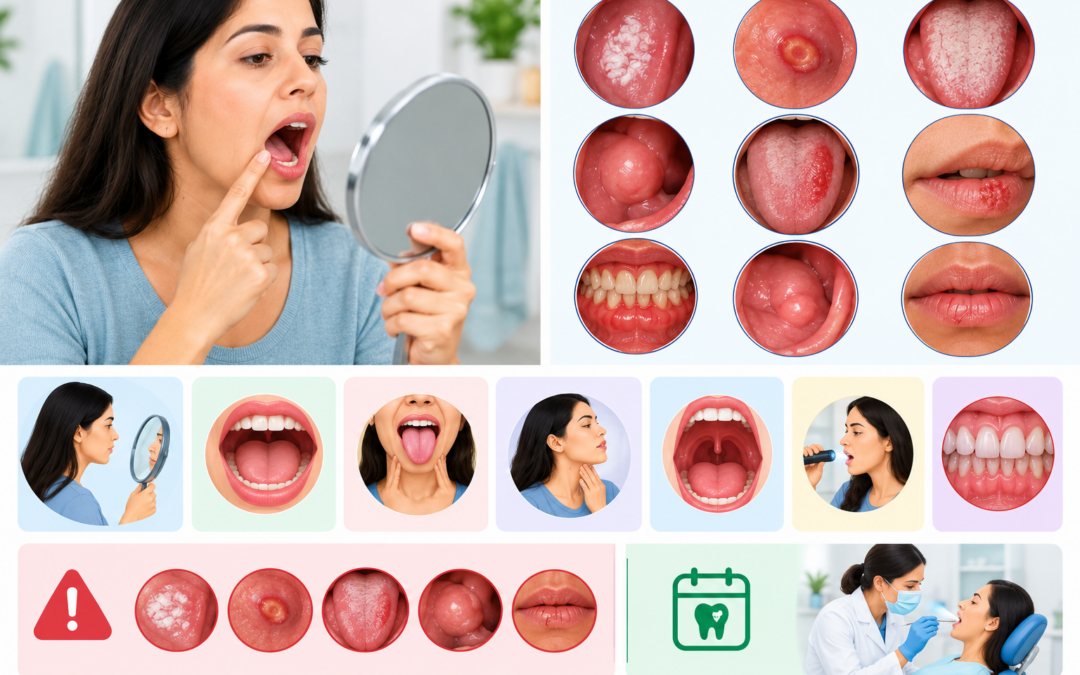
You can check for oral cancer at home once a month by looking inside your mouth in a mirror under a bright light, and by feeling for lumps. This cancer self-examination takes a few minutes. It looks for sores that don’t heal, white or red patches and lumps in the mouth or neck. It helps you notice changes early, but it can’t rule cancer out and doesn’t replace an examination by a doctor or dentist.
Prof. Dr. Sandeep Nayak, Surgical Oncologist at MACS Clinic, Bangalore, explains where cancer self-examination of the mouth fits in. “A home check is a way to learn what is normal for your mouth. Most changes turn out to be harmless, such as a bitten cheek or a sore from a sharp tooth. A sore, patch or lump that doesn’t settle in three weeks needs a proper examination. The home check supports regular visits to a doctor or dentist and doesn’t replace them.”
Have concerns about oral and head and neck cancer checks? Discuss your questions with a surgical oncologist.
How Do You Perform a Monthly Self-Examination at Home?
It takes a few minutes in front of a mirror, in good light.
Get ready: Wash your hands and take out any dentures. Stand in front of a mirror with a bright light, such as a torch, and pick a set day each month.
Face and neck: Look at both sides of the face and neck for swelling. Press gently along the jaw and the sides of the neck for lumps.
Lips and gums: Pull down the lower lip and lift the upper lip to see the inside. Look at the gums, front and back.
Cheeks and roof of the mouth: Pull each cheek away with a finger and look for red or white patches. Tilt the head back and look at the roof of the mouth.
Tongue and floor of the mouth: Stick the tongue out to see the top and sides, then lift it to see the underside and the floor of the mouth. Feel gently for hard spots. Our page on oral cancer treatment explains the tests used if a concern is found.
What Changes Should You Look For?
Most mouth changes are harmless. These are the ones that need a doctor’s opinion.
A sore that doesn’t heal: A mouth ulcer that lasts more than three weeks. Early mouth cancer can look like an ordinary ulcer.
White or red patches: Patches that don’t go away, or a mixed red and white area. Our blog on precancerous mouth lesions explains the common ones.
A lump or thickening: A lump or hard area inside the mouth, on the lip, or in the neck or throat.
Numbness, pain or changes in function: Numbness, ongoing pain, bleeding, loose teeth, trouble chewing or swallowing, or dentures that no longer fit.
Higher risk: Chewing tobacco, gutka, betel quid or areca nut, smoking and heavy alcohol use raise the risk, so people who use them should check carefully and see a dentist or doctor regularly. Our blog on what causes oral cancer covers the causes.
How to Check for Oral Cancer at Home?
- Once a month, in good light with a mirror, take out any dentures and look at your lips, cheeks, gums, tongue (top, sides and underneath), and the roof of your mouth.
- Run your fingers along your jaw and both sides of your neck. A new lump, or one on only one side, needs attention.
- Don’t ignore an ulcer that hasn’t healed in 2–3 weeks, a white or red patch, unexplained bleeding, numbness, or trouble swallowing.
- If you chew tobacco, gutka or paan, or drink often, never skip the monthly check.
- A home check can’t confirm cancer, and early oral cancer usually doesn’t hurt. If anything lasts past three weeks, get it seen by a specialist. Read more about Oral Cancer Treatment.
What Determines Treatment Choice?
If a doctor finds a suspicious area, a few steps follow.
Examination: A doctor or dentist examines the mouth and neck, and may refer you to a specialist for a closer look.
Biopsy: A small sample of tissue is examined under a microscope. This is the only way to confirm cancer.
Imaging: CT or MRI scans show how deep the growth is and whether the lymph nodes in the neck are involved.
Stage and site: The size, depth and position of the growth, and whether it has spread, decide whether surgery, radiation, drugs or a combination is advised. Our blog on survival in head and neck cancer explains why stage matters.
General health and habits: Fitness for treatment, and tobacco and alcohol use, shape the plan and the follow-up.
Key Takeaways
- A monthly mouth check takes a few minutes and needs a mirror, a bright light and clean hands.
- Look for a sore that doesn’t heal in three weeks, white or red patches, lumps in the mouth or neck, numbness and loose teeth.
- A home check can’t rule out cancer and doesn’t replace an examination by a doctor or dentist, especially for people who use tobacco or alcohol.
- Any change that lasts more than three weeks should be seen by a doctor, because the tests and treatment depend on the findings.
Frequently Asked Questions
How often should I check my mouth for cancer?
Once a month is advised. It takes only a few minutes.
What does early oral cancer look like?
Often an ulcer, a red or white patch, or a small lump.
When should a mouth sore be checked by a doctor
If it hasn’t healed within three weeks, or comes with a lump or numbness.
Can a home check rule out oral cancer?
No. It helps spot changes, but a doctor or dentist must examine them.
References
- NHS — Symptoms of mouth cancer: https://www.nhs.uk/conditions/mouth-cancer/symptoms/
- NHS 111 Wales — Cancer of the mouth: https://111.wales.nhs.uk/cancerofthemouth/
Disclaimer: This blog is for informational and educational purposes only and is not a substitute for professional medical advice or diagnosis.
