
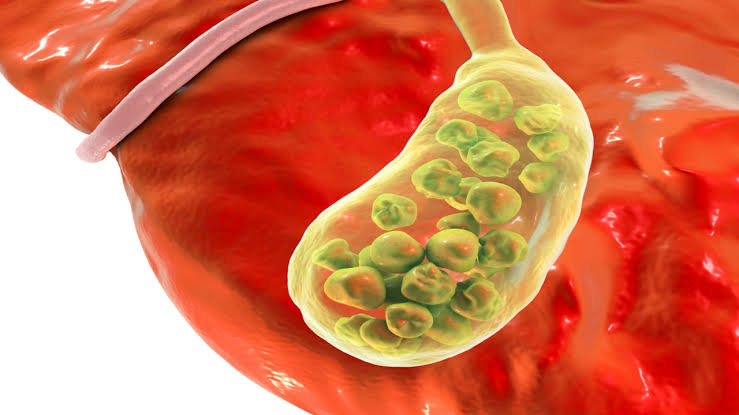
Bile duct cancer is hard to catch early, and that’s the honest starting point. It stays quiet until a duct gets blocked, then jaundice appears, usually painless. That yellowing is often the first real clue. Picking it up sooner leans on blood tests, imaging and paying attention to symptoms that look harmless at first.
According to Dr. Sandeep Nayak, Surgical Oncologist in India, “The difficulty with bile duct cancer is that early symptoms barely register. A bit of itching, slightly dark urine, mild discomfort. Jaundice is what finally brings people in, and by then the tumour is often blocking a duct. The key is not ignoring those small early signs, especially painless jaundice. That one always needs a proper look.”
Noticed yellowing of the skin or eyes?
What Are the Early Warning Signs?
The signs are subtle, which is exactly why they get missed for so long.
- Painless jaundice : Yellow skin and eyes without any pain is the classic red flag. It means bile isn’t draining, and that needs checking.
- Dark urine, pale stools : When bile backs up, urine darkens and stools turn pale. A quiet pair of clues that often go unnoticed.
- Itching : Bile salts under the skin cause a persistent itch. It can show up before jaundice does, so it’s worth taking seriously.
- Vague weight loss : Unexplained weight loss and fatigue creep in. On their own they mean little, but alongside the rest they add up.
Catching these early matters, and proper bile duct cancer evaluation starts the moment painless jaundice turns up.
Which Tests Find It?
Detection combines blood work, imaging and sometimes a scope to see the ducts directly.
- Liver blood tests : An obstructive pattern, high bilirubin and alkaline phosphatase, points at a blocked duct before imaging even starts.
- CA 19-9 : This tumour marker is raised in most bile duct cancers. Not proof on its own, but a strong supporting signal.
- MRI and MRCP : MRCP maps the bile ducts in detail and shows exactly where a blockage sits. It’s the workhorse imaging here.
- Endoscopic tools : ERCP and cholangioscopy let doctors see inside the ducts and take a biopsy. That’s how the diagnosis gets confirmed.
Knowing which tests used for cancer fit the picture is what turns a vague symptom into an early, actionable diagnosis.
Why Choose Dr. Sandeep Nayak for Bile Duct Cancer Care?
Dr. Sandeep Nayak is a surgical oncologist with 24 years behind him and a fellowship in laparoscopic and robotic onco-surgery. He treats hepatobiliary cancers, including bile duct and pancreatic disease, where accurate early assessment shapes everything. The approach starts with reading the subtle signs properly, since painless jaundice is the kind of symptom that should never be brushed aside. That vigilance is what catches these cancers while they’re still operable.
With bile duct cancer, the window for cure is narrow and timing is everything. A tumour found while it can still be removed offers a genuine chance. The same tumour found late often can’t be operated on at all. Taking early jaundice seriously, and acting on it fast, is what keeps that surgical option open.
Frequently Asked Questions
What is the first sign of bile duct cancer?
Painless jaundice is often the first clue, with dark urine and pale stools.
Why is bile duct cancer hard to catch early?
Symptoms stay vague until a duct is blocked, so it’s often found late.
Which tests detect bile duct cancer?
MRI, MRCP, CT, endoscopic tests and the CA 19-9 blood marker are used.
Does early detection improve bile duct cancer outcomes?
Yes. Found early enough to remove surgically, the outlook improves significantly.
References
- Cholangiocarcinoma diagnosis and treatment — National Library of Medicine
- Diagnosis of cholangiocarcinoma — National Library of Medicine
Disclaimer: This blog is for informational and educational purposes only and is not a substitute for professional medical advice or diagnosis.
