
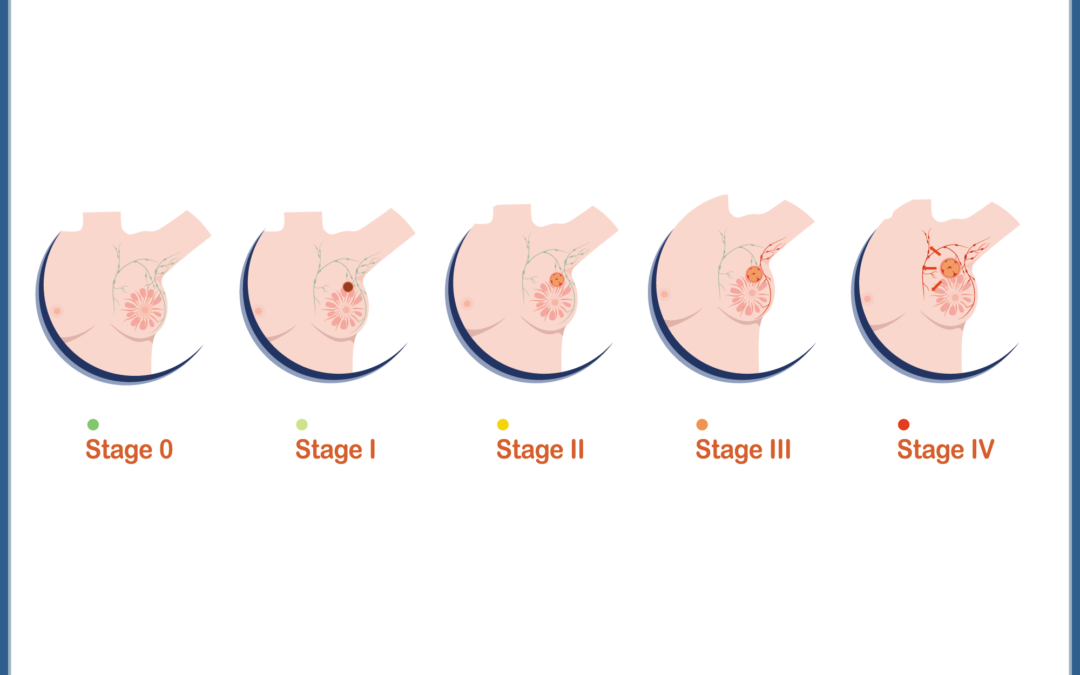
Stage determines what surgery is possible, when it happens and what comes before and after it. Stage 2 breast cancer is usually operable straight away. Stage 3 is locally advanced and in most cases chemotherapy runs before surgery to reduce the disease burden first. The operation itself also changes what nodes are taken, how much tissue comes out and whether radiation to the chest wall follows all shift between these two stages.
According to Prof. Dr. Sandeep Nayak, Surgical Oncologist in India,
“Stage 2 and Stage 3 are not just different numbers. They reflect genuinely different disease states and the surgical plan has to match what the disease actually looks like, not what we wish it looked like.”
Diagnosed with Stage 2 or Stage 3 breast cancer and trying to understand what surgery means for you?
How Does Stage 2 Breast Cancer Get Treated Surgically?
Stage 2 breast cancer is generally operable at diagnosis and surgery typically opens the treatment plan.
- Surgery First: Most Stage 2 cases go straight to lumpectomy or mastectomy depending on tumour size relative to breast volume and patient preference. Chemotherapy follows after rather than running before surgery in most early Stage 2 presentations.
- Lumpectomy Often Possible: A tumour that’s grown but remains confined gives the surgical team room to work with clear margins while preserving the breast in many Stage 2 patients who want conservation and meet the clinical criteria for it.
- Sentinel Node Assessment: Axillary staging through sentinel node biopsy runs in the same operation and breast cancer treatment decisions about adjuvant chemotherapy and axillary management are made based on what that pathology confirms.
- Post-Operative Radiation: Lumpectomy at Stage 2 is followed by radiation to the remaining breast tissue. Post-mastectomy radiation at Stage 2 depends on nodal involvement and tumour size rather than being applied automatically to every patient.
Stage 2 surgery generally carries less complexity than Stage 3 and recovery before starting adjuvant chemotherapy is usually straightforward.
What Changes When the Disease Is Stage 3?
Stage 3 is locally advanced. The tumour is larger, nodes are more extensively involved or the disease has reached the chest wall or skin. Surgery at this stage rarely opens the plan.
- Chemotherapy Comes First: Neoadjuvant chemotherapy runs before surgery in most Stage 3 cases. The goal is shrinking the tumour and clearing involved nodes enough to make the operation safer and in some cases to convert a mastectomy into a lumpectomy when response is good.
- Mastectomy More Common: Even after good chemotherapy response, Stage 3 disease more frequently ends in mastectomy than Stage 2. The extent of original involvement makes achieving consistently clear margins through lumpectomy harder and the surgical team is less likely to take that risk.
- Full Axillary Dissection Often Needed: Stage 3 cases with confirmed nodal disease before chemotherapy often require full axillary lymph node clearance rather than sentinel node biopsy alone, and robotic cancer surgery or conventional approaches to axillary dissection are planned based on pre-operative nodal staging.
- Post-Mastectomy Radiation Is Standard: At Stage 3, radiation to the chest wall and regional nodes after mastectomy is standard rather than selective. The extent of original disease makes local control through surgery alone insufficient.
Stage 3 surgery is more complex, more often preceded by chemotherapy and followed by a longer treatment plan, and for more on how staging shapes surgical decisions, our blog on surgical oncologist role covers this in detail.
Why Choose Dr. Sandeep Nayak for Breast Cancer Treatment?
Dr. Sandeep Nayak brings 24 years of surgical oncology experience, DNB qualifications in Surgical Oncology and General Surgery and a fellowship in Laparoscopic and Robotic Onco-Surgery to breast cancer surgery across all stages. He heads Oncology Services across Karnataka and leads breast cancer surgery at KIMS Hospital, Bangalore, with originator credits for RABIT and over 25 published clinical studies. Patients at Stage 2 or Stage 3 wanting a clear surgical plan are seen here with every decision going through tumour board review. Call +91 8104310753 to book your consultation.
Frequently Asked Questions
Can Stage 3 breast cancer be treated with lumpectomy?
In selected cases where chemotherapy achieves excellent tumour response, lumpectomy becomes possible though mastectomy remains more common at this stage.
Does Stage 2 breast cancer always need chemotherapy?
Not always. Chemotherapy after surgery depends on tumour biology, nodal status and receptor profile rather than stage alone.
Is post-mastectomy radiation standard at Stage 3?
Radiation to the chest wall and regional nodes after mastectomy is standard for Stage 3 disease rather than applied selectively.
What is the survival difference between Stage 2 and Stage 3 breast cancer?
Stage 2 generally carries better long-term survival than Stage 3 though outcomes in both stages have improved significantly with modern treatment.
Reference Links-
- National Cancer Institute — Breast Cancer Treatment by Stage
- World Health Organization — Breast Cancer Treatment
- Disclaimer: The information shared in this content is for educational purposes and not for promotional use.
