
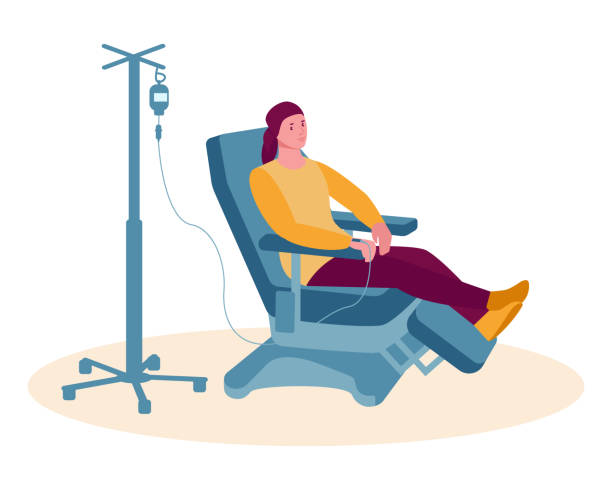
Refusing chemo when your oncologist recommended it after surgery means microscopic cancer cells already in your blood or lymph nodes stay alive with nothing to stop them. Adjuvant chemo exists to kill exactly those cells surgery couldn’t reach. Skipping it raises recurrence risk by 30-50% depending on cancer type and stage.
According to Dr. Sandeep Nayak, Best cancer treatment in Bangalore,
“They refuse because someone’s neighbour had a bad time on chemo. Meanwhile cells surgery missed are doubling every few weeks while the patient reads miracle cure articles on WhatsApp instead of reading their own pathology report.”
Side effects end. Recurrence doesn’t ask permission
What Are the Actual Risks ?
Chemo gets recommended when your pathology report shows specific risk factors. Not because a protocol says so.
- Recurrence: Cells floating in blood or parked in tiny nodes grow back silently over months. Show up later as liver or lung mets when the original was Stage II and that stage jump is what skipping chemo gambles on.
- Distant spread: Once cancer reaches bones, brain, liver the goal shifts from cure to control permanently. Chemo would’ve addressed those circulating cells before they had a chance to settle somewhere new and set up shop.
- Survival gap: Breast, colon, ovarian data consistently shows 15-25% survival difference between patients who finished adjuvant chemo and those who walked away. That gap direction never flips regardless of which journal you check.
- Harder drugs later: Cancer returning after skipped first-line chemo needs more aggressive regimens with worse side effects. What your oncologist offered initially was actually the gentler version. What comes next hits harder every time around.
Your oncologist explains exactly why chemo landed on your treatment plan through precision oncology pathology review specific to your report.
When Is Declining Actually Reasonable ?
Some patients genuinely don’t need it. Good oncologist says that before you even bring it up.
- Very early stage: Stage I, clean margins, no nodes, favourable biology. Oncologist not recommending chemo means declining something that wasn’t offered in the first place. That’s following the plan not refusing treatment.
- Elderly unfit patients: 82-year-old with bad kidneys and weak heart may not survive chemo well enough to gain anything from it. Toxicity outweighing benefit is real clinical math not a loophole to skip treatment.
- Genomic testing: Oncotype DX for breast cancer scores whether chemo actually moves the needle for your specific tumor or not. Low score means chemo adds nothing measurable and skipping it then is data talking not fear.
- Comfort priority: Advanced cancer where cure already left the table. Choosing fewer hospital visits and better remaining months over IV drips that won’t meaningfully extend life is a medical call not surrender.
Knowing how targeted therapy works as an alternative helps patients understand that refusing chemo doesn’t always mean refusing all systemic treatment when better-matched options exist for their tumor.
Why Choose MACS Clinic ?
Dr. Sandeep Nayak’s team at MACS Clinic explains your pathology in language you actually follow. Decision stays yours but it’s built on your report numbers not internet panic or someone’s cousin’s experience from ten years ago.
Patient needing chemo hears why with their own data sitting on the table. Patient not needing it hears that too. Difference between pushing treatment and explaining it properly is what makes consent real instead of a formality.
Frequently Asked Questions
Can I refuse chemotherapy after cancer surgery?
Legally yes, but understand your specific recurrence risk increase before deciding.
Will cancer definitely come back if I skip chemo?
Not definitely, but risk climbs 30-50% depending on cancer type and stage.
Are there alternatives to chemotherapy?
Targeted therapy, immunotherapy, or hormonal therapy depending on tumor biology.
Should I get a second opinion before refusing chemo?
Yes, another oncologist confirms whether chemo genuinely benefits your specific case.
Reference Links-
- Adjuvant chemotherapy guidelines — National Cancer Institute
- Cancer treatment decision-making — World Health Organization
- Disclaimer: The information shared in this content is for educational purposes and not for promotional use.
