
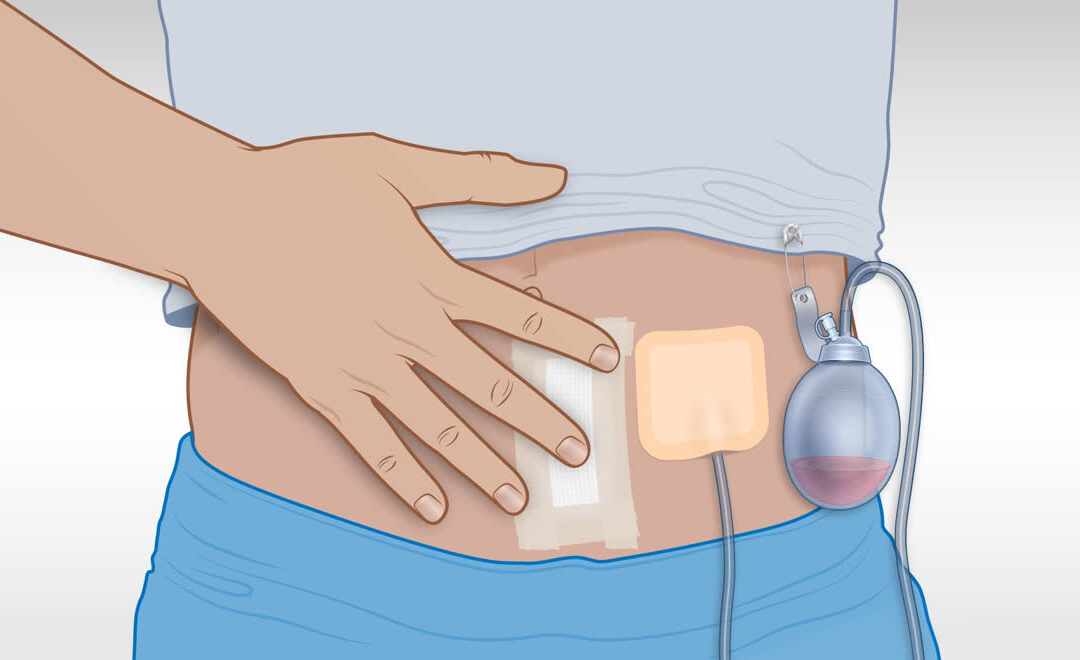
A surgical drain is a small flexible tube placed inside the body at the end of an operation. The other end sits in a bulb outside the skin. Its job? Pull out fluid, blood and lymph that collect after surgery before it builds up under the skin. Most drains stay in for 3 to 10 days. They come out when daily output drops below 30 ml for two days running. Quick to remove. Almost always uncomfortable rather than painful.
According to Prof. Dr. Sandeep Nayak, Surgical Oncologist in India, “Drains aren’t there to make recovery harder. They prevent fluid pockets called seromas that delay healing or get infected. Once the daily output falls under 30 ml and the wound looks settled, the drain comes out, usually in clinic, in about ten seconds.”
A drain looks scary, but it’s actually doing the healing work for you.
Why Is a Drain Placed After Surgery?
Surgery leaves an empty space inside. That space fills up with fluid unless drained.
- Prevents seroma: Surgical sites collect blood and lymph in the days after. Without a drain, this pools into a seroma. A drain stops that fluid before it ever accumulates.
- Lowers infection: Stagnant fluid is the perfect food for bacteria. Drain the fluid out continuously and the chance of a wound infection drops sharply.
- Eases pressure: Fluid trapped under the skin causes swelling, pain and pulls at the stitches. The drain keeps tension off the healing wound.
- Helps wound healing: Tissues knit back together better when they’re held in close contact. Drains pull the layers closer and keep them there.
For patients whose surgery uses keyhole precision through small incisions, robotic cancer surgery often needs smaller or fewer drains thanks to less tissue disruption.
When and How Is the Drain Removed?
Output decides it, not the calendar. Removal itself is quick.
- Output drops: The drain comes out when daily fluid is under 30 ml for two days in a row. Some breast and head and neck cases need a bit more, some abdominal cases less.
- Wound check: The surgeon looks at the wound first. No infection, no leakage, healing looking on track? The drain comes out.
- Removal moment: A snip of the holding stitch. A quick pull. Done in seconds. Most patients feel a tugging sensation, not real pain. No anaesthesia needed.
- After removal: A small dressing over the site. A tiny bit of clear fluid for a day or two is normal. Shower allowed once the site is dry.
For everything else about recovery after surgery including diet, dressings and when to resume normal activity, our guide on post surgery care walks through the full recovery.
Why Choose Dr. Sandeep Nayak for Your Cancer Care?
Dr. Sandeep Nayak has spent 24 years in surgical oncology. He holds DNB qualifications in Surgical Oncology and General Surgery and a fellowship in Laparoscopic and Robotic Onco Surgery. He places drains only when surgery genuinely needs them, removes them as soon as output drops to safe levels, and uses minimally invasive techniques that often reduce or eliminate drain need entirely.
That careful judgement on when drains are needed and when they’re not is what separates a thoughtful surgical plan from a routine one. Every case at MACS Clinic goes through tumour board review, where the surgical plan is set together. Call +91 8104310753 to book your consultation.
Frequently Asked Questions
What is a drain after surgery?
A small tube that removes fluid build up from the surgical site.
When is the drain removed?
When daily output drops below 30 ml for two consecutive days.
Does drain removal hurt?
Brief pulling sensation, mild discomfort, no anaesthesia usually needed.
Can I shower with a drain in?
Sponge bath until removed, full shower allowed once drain is out.
Disclaimer: This blog is for informational purposes only and is not a substitute for professional medical advice.
