
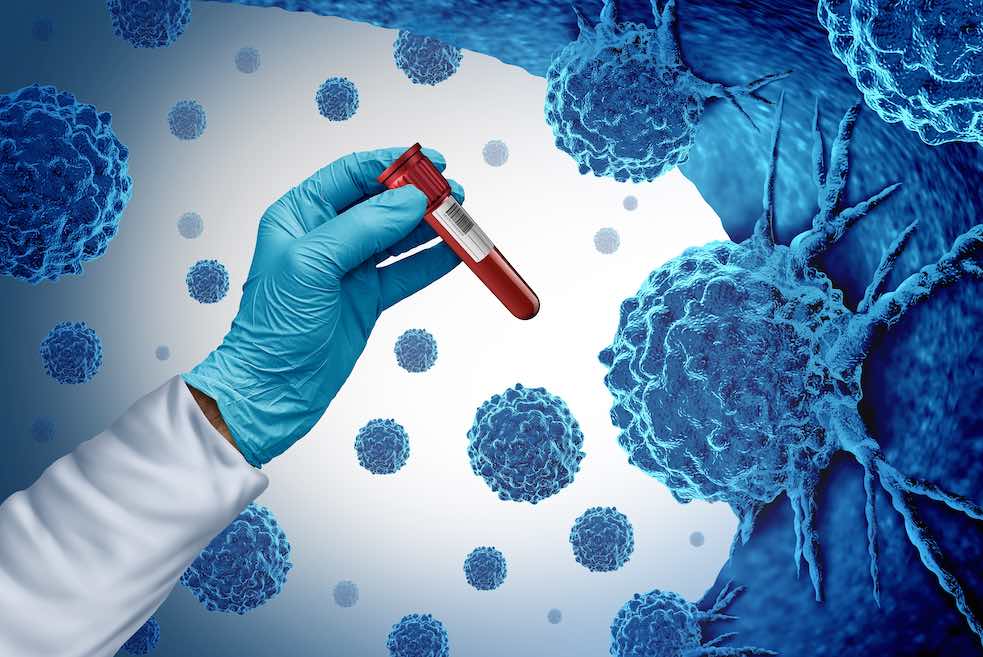
A multi-cancer early detection test, or MCED, is a single blood test that screens for many cancers at once. It looks for DNA that tumours shed into the blood, often before any symptom shows. One draw, many cancers checked together. Most of the cancers it covers have no routine screening of their own.
According to Dr. Sandeep Nayak, Surgical Oncologist in India, “The value of an MCED test is reach. Standard screening covers four or five cancers. This casts a far wider net from one blood sample. But a signal isn’t a diagnosis. It points us toward where to look, and the real confirmation still comes from imaging and a tissue biopsy. It’s a starting flag, not the final word.”
Wondering whether early detection screening fits you?
How Does an MCED Test Work?
It reads the molecular traces cancer leaves in the bloodstream, then narrows down the source.
- Shared signal : Many cancers shed DNA with tell tale changes. The test picks up this common signal across different tumour types.
- Methylation patterns : It reads chemical tags on the DNA, not just the sequence. Those tags hint at which organ the signal came from.
- Signal origin : When something turns up, the test predicts the likely site. That tells doctors where to point the follow up scans.
- One sample : All of it runs off a single blood draw. No prep, no procedure, nothing invasive about the test itself.
It sits within a wider diagnostic and treatment picture, and advanced robotic cancer surgery becomes an option only after proper confirmation of what’s actually there.
Where Does It Fit in Cancer Screening?
The test adds to routine screening rather than standing in for it.
- Filling the gaps : Most cancers have no standard screening at all. MCED reaches some of those, which is where it earns its place.
- Not a replacement : Mammograms, colonoscopy, Pap smears all still matter. This works alongside them, it doesn’t push them aside.
- For higher risk : It’s aimed mostly at older adults and those with raised risk, where the odds of catching something justify it.
- Confirmation always follows : A detected signal triggers imaging and biopsy. Nothing gets called cancer on the blood test alone.
Understanding which tests used for cancer suit a given person is what builds an accurate picture before anything is decided.
Why Choose Dr. Sandeep Nayak for Cancer Care?
Dr. Sandeep Nayak is a surgical oncologist with 24 years behind him and a fellowship in laparoscopic and robotic onco-surgery. His diagnostic approach is precision based, weaving together clinical exam, imaging, tissue biopsy and molecular profiling so nothing slips through. An MCED signal fits into that as a prompt to investigate, never as a conclusion on its own. The test guides the workup. The workup makes the diagnosis.
A flagged signal is only the beginning. What it really buys is a head start, the chance to find a cancer while it’s small and still curable. But it takes a careful workup to turn that signal into an accurate diagnosis, and a clear plan from there. The right follow through is what makes early detection actually mean something.
Frequently Asked Questions
What does a multi-cancer early detection test do?
It screens for many cancers at once from a single blood sample, before symptoms appear.
How does an MCED test find cancer?
It reads cancer DNA shed into the blood and predicts where the signal comes from.
Does a positive MCED test confirm cancer?
No. A signal needs confirming with imaging and a tissue biopsy before any diagnosis.
Does an MCED test replace regular screening?
No. It adds to mammograms, colonoscopy and other standard screening, it doesn’t replace them.
References
- Multi-cancer early detection technologies review — National Library of Medicine
- MCED blood test real-world evidence — National Library of Medicine
Disclaimer: This blog is for informational and educational purposes only and is not a substitute for professional medical advice or diagnosis.
