
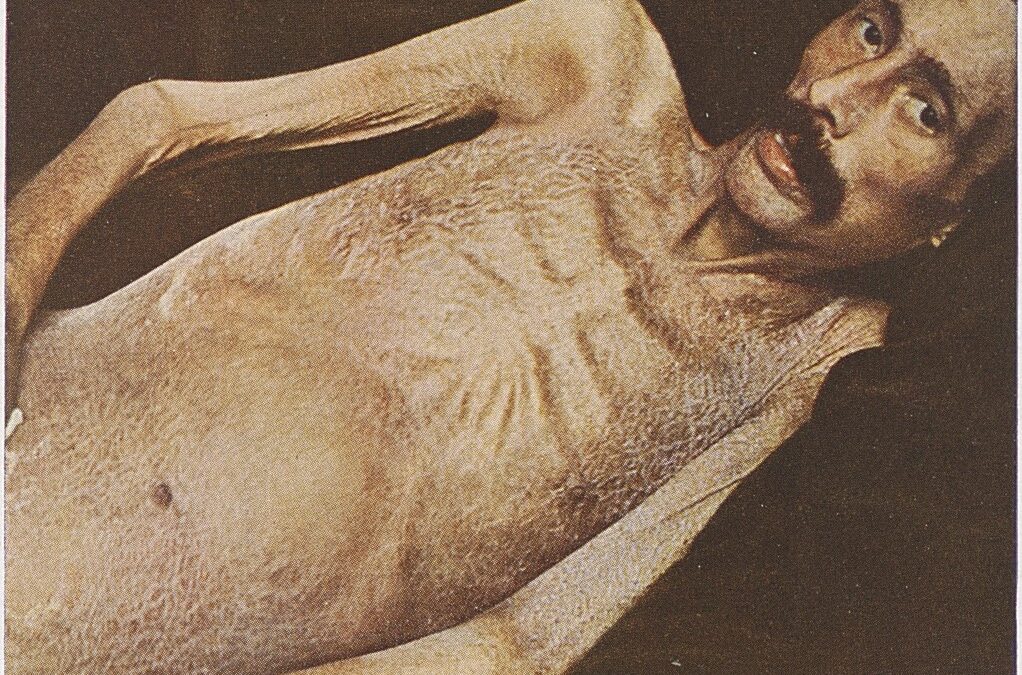
Cachexia is a wasting syndrome that causes severe loss of muscle and fat, even when the patient is eating normally. It affects up to 80 percent of people with advanced cancer. The cause is inflammation, insulin resistance and hormone changes triggered by the tumour, not simple under nutrition. Early stages respond to nutrition, medication and exercise. Late refractory cachexia is largely irreversible, which is why catching it early matters so much.
According to Prof. Dr. Sandeep Nayak, Surgical Oncologist in India, “Cachexia is one of the most underdiagnosed complications in advanced cancer, despite being among the most consequential. It’s not just weight loss, it’s a fundamental change in how the body uses energy, and catching it at the pre cachexia stage is when intervention actually works.”
Cachexia is more than weight loss, it’s a signal worth catching early.
What Causes Cachexia in Cancer?
It’s not simple malnutrition. The biology behind it is much more layered.
- Inflammation drives it: The tumour releases inflammatory chemicals that disrupt how muscle and fat cells use energy. This is the main reason eating more doesn’t fix the problem.
- Insulin resistance: Cancer pushes the body into insulin resistance. Glucose can’t reach the cells properly, so muscle breaks down for fuel instead.
- Hormone shifts: Catabolic hormones, which break tissue down, become more active than anabolic ones, which build it up. The balance tips toward wasting.
- Specific cancers: Cachexia is most common in pancreatic, lung, head and neck, oesophageal and stomach cancers. Breast and prostate cancers cause it less often.
For patients whose treatment includes surgical removal of the tumour driving cachexia, robotic cancer surgery brings precise tumour control with faster recovery from surgical stress.
How Is Cachexia Recognised and Treated?
Diagnosis is staged. Treatment is multi pronged.
- Three stages: Pre cachexia is mild weight loss, less than 5 percent. Cachexia is over 5 percent loss with muscle wasting. Refractory cachexia is severe loss, often in late stage disease.
- Early signs: Unintended weight loss, fatigue, weakness, loss of appetite, frequent infections. These flag the syndrome before it gets serious.
- Nutrition support: Protein rich diet, small frequent meals, oncology dietitian input. Helps mainly in early stages, less so once refractory.
- Medication options: Anamorelin, megestrol, low dose steroids and newer trial drugs like ponsegromab help appetite, weight and muscle. Always alongside cancer treatment.
For patients dealing with cachexia commonly seen in pancreatic cancer, our blog walks through survival expectations and management.
Why Choose Dr. Sandeep Nayak for Your Cancer Care?
Dr. Sandeep Nayak has spent 24 years in surgical oncology. He holds DNB qualifications in Surgical Oncology and General Surgery and trained further with a fellowship in Laparoscopic and Robotic Onco Surgery. He flags cachexia at the pre cachexia stage where intervention works, coordinates nutrition, medication and supportive care alongside cancer treatment, and never treats severe weight loss in cancer patients as simply a side effect.
That early identification and active management is what separates good cancer care from passive observation. Every case at MACS Clinic goes through tumour board review, where the treatment plan is set together. Call +91 8104310753 to book your consultation.
Frequently Asked Questions
What is cachexia in cancer patients?
A wasting syndrome causing severe muscle and fat loss despite eating.
How common is cachexia?
Up to 80 percent of advanced cancer patients develop some form.
Can cachexia be reversed?
Early stages yes, late refractory cachexia is mostly irreversible.
How is cachexia treated?
Nutrition, medications, exercise and treating underlying cancer all help.
Disclaimer: This blog is for informational purposes only and is not a substitute for professional medical advice.
