
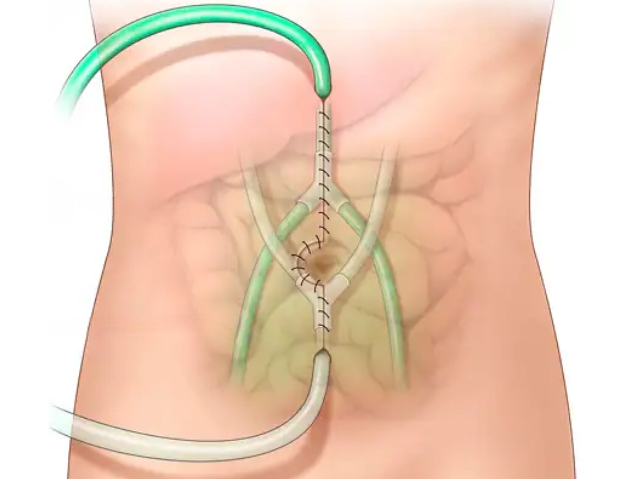
HIPEC stands for Hyperthermic Intraperitoneal Chemotherapy. Right after cytoreductive surgery removes all visible tumour, heated chemotherapy is circulated directly inside the abdominal cavity. The heat makes the drugs more effective and the direct delivery reaches microscopic cancer cells that surgery couldn’t physically remove and that IV chemotherapy struggles to reach at useful concentrations.
According to Prof. Dr. Sandeep Nayak, Surgical Oncologist in India,
“HIPEC puts chemotherapy exactly where the disease is, at a concentration systemic treatment through the bloodstream simply cannot match at that specific site.”
Want to know if HIPEC is right for your cancer situation?
How Does HIPEC Work in Practice?
HIPEC always follows cytoreductive surgery in the same operating session and the two together are what produce the outcome neither achieves alone.
- Surgery Comes First: All visible tumour is removed from peritoneal surfaces before HIPEC begins. Delivering heated chemotherapy into a cavity that still has significant disease doesn’t produce the result the procedure is designed for.
- Heated Drug Circulation: Chemotherapy solution at 41 to 43 degrees Celsius circulates through the cavity for 60 to 90 minutes. Heat increases how deeply the drug penetrates remaining tissue beyond what room-temperature delivery achieves.
- Higher Local Concentration: Drug levels inside the peritoneal cavity during HIPEC treatment are far higher than anything IV chemotherapy produces at that site, which matters because peritoneal deposits are poorly reached through the bloodstream.
- Closed Technique: The abdomen is sealed before circulation starts with drugs delivered through tubes placed during surgery. This protects theatre staff and keeps temperature consistent throughout the full treatment cycle.
The combined procedure from cytoreduction through to HIPEC completion typically runs eight to twelve hours in total.
Which Cancers Is HIPEC Used For?
HIPEC has the strongest evidence in cancers that spread to the peritoneal lining rather than to distant organs through the bloodstream.
- Ovarian Cancer: HIPEC after cytoreduction has shown clear survival benefit in advanced ovarian cancer, particularly where neoadjuvant chemotherapy has already reduced disease to a point that allows complete or near-complete removal.
- Colorectal Peritoneal Metastasis: This is the most common HIPEC indication in India. Robotic cancer surgery or open cytoreduction removes visible deposits before heated oxaliplatin or mitomycin addresses what’s left behind microscopically.
- Pseudomyxoma Peritonei: This slow-growing appendix-origin tumour responds particularly well to cytoreduction and HIPEC, with long-term control achievable in selected patients when complete cytoreduction is reached.
- Gastric and Mesothelioma: Selected gastric cancer patients with limited peritoneal involvement and peritoneal mesothelioma cases are considered when disease extent and fitness make the combined procedure a reasonable option.
Not every centre has the volume or setup to offer HIPEC safely, and for a clearer picture of the surgery that makes it possible, cancer surgery is covered separately.
Why Choose Dr. Sandeep Nayak for HIPEC Treatment ?
Dr. Sandeep Nayak holds DNB qualifications in Surgical Oncology and General Surgery with a fellowship in Laparoscopic and Robotic Onco-Surgery and 24 years performing cytoreductive surgery and HIPEC across ovarian, colorectal, gastric and peritoneal cancers. He leads surgical oncology at KIMS Hospital, Bangalore and heads Oncology Services across Karnataka, with originator credits for RABIT, MIND and L-VEIL techniques and over 25 published studies. Patients referred for HIPEC or declined elsewhere are assessed here through full tumour board review before any decision is made. Call +91 8104310753 to book your consultation.
Frequently Asked Questions
Is HIPEC chemotherapy or surgery?
It is both, always delivered immediately after cytoreductive surgery as one combined procedure in a single session.
How long does the full HIPEC procedure take?
Combined cytoreduction and HIPEC typically runs eight to twelve hours depending on disease extent.
Is HIPEC available in India?
Yes, at selected high-volume centres with the surgical expertise and infrastructure to perform it safely.
Which cancers respond best to HIPEC?
Ovarian cancer, colorectal peritoneal metastasis, pseudomyxoma peritonei and selected gastric and mesothelioma cases.
References
-
- National Cancer Institute — Surgery to Treat Cancer
- National Institutes of Health — HIPEC and Peritoneal Cancer Treatment
- Disclaimer: The information shared in this content is for educational purposes and not for promotional use.
