Is Cancer Contagious?

Is Cancer Contagious?

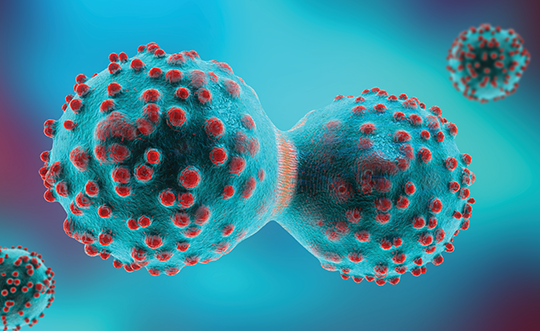
No. It isn’t. Not even slightly. You cannot catch cancer from another human being. Not by touching them. Not by sitting beside them. Not by holding their hand through chemotherapy or sleeping next to them or sharing their glass. And yet this fear exists. Quietly. Stubbornly. In families all across India. Pulling people away from someone who needs them desperately. That’s not a small thing. That’s a tragedy hiding inside a myth.

According to Dr. Sandeep Nayak, a surgical oncologist in India, “The fear of catching cancer from someone costs patients the one thing that helps them get through treatment more than almost anything else. The people they love being present.”

Why Does This Fear Keep Existing When the Science Is So Clear?

Because fear doesn’t care about science. Fear cares about stories. And there are specific stories behind this particular fear that make it feel more reasonable than it actually is.

  • Some Cancer Causing Viruses Spread Between People and That Creates Genuine Confusion: HPV causes cervical and throat cancer. Hepatitis B and C cause liver cancer. These viruses absolutely spread between people. But the cancer that eventually develops in some individuals from those viruses doesn’t spread to anyone. Ever.
  • Family Cancer Clusters Look Exactly Like Contagion From the Outside: A mother and daughter both diagnosed. Two siblings. Three cousins. It looks like something is passing between them. But shared DNA and shared lifestyles explain every one of those clusters without transmission being involved at any point.
  • In Indian Communities Where Silence Surrounds Cancer Fear Fills Every Gap Information Doesn’t: Where nobody talks about cancer clearly and honestly the space gets filled by whatever the last frightened person believed and passed on and that belief travels through generations far more efficiently than any virus ever could.
  • One Extraordinarily Rare Transplant Exception Became a Story That Got Completely Distorted: In extremely specific organ transplant cases in immunocompromised patients cancer cells have technically transferred. This is a medical anomaly requiring conditions that don’t exist in any normal human relationship. It has nothing to do with how real families live together.

Understanding how cancers develop whether driven by genetic mutations, environmental exposures, or virus-related cellular changes helps separate biological fact from cultural fear. For a broader explanation of how malignancies arise and are treated across different organ systems, refer to Liver Cancer Treatment, where virus-associated cancer pathways are discussed in clinical context.

What Actually Does Cause Cancer If Not Other People?

Because if the answer isn’t contagion something else is responsible. And understanding what that something is matters for everyone in that family.

  • DNA Damage Accumulating in Your Own Cells Over Years Is Where Almost Every Cancer Begins: Mutations building up faster than your body’s repair systems can manage them create the cellular chaos that becomes cancer completely independently of anyone you’ve ever spent time with.
  • The Things You Expose Your Body to Over Decades Create Your Personal Cancer Risk: Tobacco. Alcohol. Processed food. Inactivity. Obesity. Chronic sun exposure. Each one damages DNA progressively in ways that have nothing whatsoever to do with the people sharing your home or your life.
  • Environmental Carcinogens Work Slowly and Silently for Years Before Anything Becomes Visible: Pollution. Pesticides. Asbestos. Industrial chemicals. These accumulate in tissue over time and the cancer they eventually produce emerges long after the exposures that caused it have ended and been forgotten.
  • Inherited Gene Mutations Pass Through Biology Not Through Proximity or Contact: BRCA1. BRCA2. Lynch syndrome. These mutations run through families through inheritance not through anything that happens between people who live together or love each other.

Cancer develops from internal cellular changes and long-term exposures rather than from contact with another person who has the disease. For a broader clinical overview of how different malignancies arise and are managed surgically across organ systems, refer to Colon Cancer Treatment, where the biology and treatment framework of solid tumours are explained in context.

Why Choose Dr. Sandeep Nayak for Cancer Treatment in India?

Dr. Sandeep Nayak has spent more than 24 years treating not just cancer but the frightened human beings and the frightened families that cancer brings into his clinic. As one of India’s most experienced surgical oncologists he understands something that doesn’t appear in any surgical textbook. The patient who has people around them recovers differently from the one who doesn’t. Not just emotionally. Measurably. Clinically. He treats the science with every tool 24 years of surgical oncology provides. And he treats the humans living inside that science with the same thoroughness. Because both things matter. Equally. Every single time.

Frequently Asked Questions

Can you actually get cancer from physically touching or hugging someone who has it?

Absolutely not. Cancer cannot be transmitted through any form of physical contact including touching, hugging, kissing or sharing any personal items with a cancer patient at any stage.

Does providing full time home care for a cancer patient put family members at risk?

No. Full time caregiving including physical contact, shared spaces and close daily proximity carries zero risk of cancer transmission to caregivers or any family member living in the same home.

Can cancer very rarely pass from a mother to her unborn baby during pregnancy?

In extraordinarily rare documented medical cases yes but this is a highly specific clinical situation with no relevance to normal contagion concerns between family members or friends.

Should family members genuinely avoid visiting during chemotherapy treatment cycles?

No. Family presence during chemotherapy is emotionally beneficial and carries no contagion risk with the only sensible caution being avoiding visits if you personally have an active infectious illness.

Reference links:

How to Check for Ovarian Cancer at Home

How to Check for Ovarian Cancer at Home

There’s no home test. There isn’t one. Not a reliable one. Not one that tells you anything definitive. And I know that’s genuinely not what someone searching this question at eleven at night wants to hear. But here’s what’s true. The most powerful early detection tool ovarian cancer has doesn’t come in a box or a kit. It lives inside you. It’s your awareness of your own body. And that awareness genuinely saves lives when women trust it enough to act on it.

According to Dr. Sandeep Nayak, a surgical oncologist in India, “The women who catch ovarian cancer early almost never had a special test. They had a feeling that something was different and they trusted it enough to come in and find out.”

What Should You Actually Be Paying Attention to at Home?

Because while no home test exists your body is not silent. It speaks. And ovarian cancer has a very specific language that women who know what to listen for can sometimes hear before anyone with a stethoscope does.

  • Daily Bloating That Doesn’t Behave Like Normal Digestive Bloating: Not the occasional uncomfortable fullness after a heavy meal. A persistent daily distension that sits there every morning before you’ve eaten anything and that simply wasn’t part of your body’s normal vocabulary three months ago.
  • Getting Full After a Few Bites When You Used to Eat Normal Sized Meals Comfortably: This particular symptom catches people off guard because it seems so disconnected from cancer. But consistently feeling full after almost nothing is something ovarian cancer produces from surprisingly early in its development and it’s worth writing down if it keeps happening.
  • A Bladder That’s Suddenly Demanding Far More Attention Than It Ever Did Before: New urgency. Going more frequently. Waking at night when you didn’t before. Symptoms that keep coming back after being treated as a UTI without infection ever being confirmed on a test. That pattern doesn’t belong to your bladder. It might belong to what’s sitting next to it.
  • Something in Your Pelvis That Feels Like Pressure or Discomfort and Won’t Leave: Not dramatic pain. Not something you’d describe as an emergency. Just a persistent awareness of something low in your abdomen that wasn’t there before and that doesn’t fluctuate with your cycle the way your normal pelvic sensations always have.

When these symptoms persist for several weeks without a clear explanation, proper imaging and gynaecologic evaluation become important rather than optional. For a clinical overview of diagnostic workup and surgical management pathways, refer to Ovarian Cancer Treatment, where staging and treatment considerations are explained in detail.

What Does Your Personal Risk Profile Tell You From Home?

Because understanding your own risk is something you genuinely can assess without a single test. And for some women that assessment alone should be enough to make a phone call they’ve been putting off.

  • A Mother Sister or Daughter With Ovarian or Breast Cancer Changes Your Risk Significantly: First degree family history of ovarian cancer or known BRCA mutations in your family puts you in a higher risk category that justifies proactive surveillance conversations most high risk women are never actually having with anyone.
  • Never Having Been Pregnant Is a Risk Factor Most Women Have Never Once Been Told: The relationship between pregnancy and reduced ovarian cancer risk is documented and real and women who have never carried a pregnancy carry a higher lifetime risk that’s worth knowing about and factoring into how seriously they take persistent symptoms.
  • An Endometriosis Diagnosis You Already Have Is a Risk Factor Sitting Right There in Your History: Women with endometriosis have a measurably higher risk of specific ovarian cancer subtypes and treating regular gynaecological monitoring as optional rather than essential is a decision that sometimes has consequences that nobody anticipated.
  • Years of Hormone Replacement Therapy Without Recent Review Deserves a Conversation Soon: Extended HRT use carries a modest but published association with higher ovarian cancer risk and women on long term HRT who haven’t had a gynaecological review recently are carrying a risk they may not know they have.

When risk factors and persistent symptoms intersect, early imaging and a clearly defined treatment pathway become critical in preventing delayed diagnosis. For an overview of how advanced abdominal malignancies are managed surgically, refer to Laparoscopic Cancer Surgery , where minimally invasive oncologic approaches are outlined in clinical context.

Why Choose Dr. Sandeep Nayak for Cancer Treatment in India?

Dr. Sandeep Nayak has spent more than 24 years treating ovarian and gynaecological cancers with robotic and laparoscopic surgical precision that achieves complete oncological resection through incisions that open surgery simply cannot match for recovery quality. As one of India’s most experienced surgical oncologists he knows that the first surgery for ovarian cancer is the most important surgery and that completeness of that first resection determines outcomes more powerfully than almost anything that follows. He never reassures a persistent unexplained gynaecological symptom away without looking properly first. Because in ovarian cancer looking early is the only thing that consistently produces the outcomes worth having.

Frequently Asked Questions

Is there genuinely no blood test at all that works for checking ovarian cancer at home?

No reliable home test exists and even clinical CA-125 requires specialist interpretation alongside imaging to mean anything diagnostically useful at all.

How frequently should women carrying BRCA gene mutations actually be screened?

BRCA carriers should discuss individualised protocols with a specialist typically involving twice yearly transvaginal ultrasound and CA-125 testing starting from around age 30.

Can a transvaginal ultrasound reliably find ovarian cancer before obvious symptoms develop?

It identifies ovarian masses but cannot confirm malignancy alone and produces the most meaningful results when combined with CA-125 testing and proper specialist clinical assessment together.

At what age should women genuinely start having conversations about ovarian cancer risk?

Average risk women from age 40 onwards and women with family history or genetic mutations significantly earlier than that should be having this conversation proactively with a specialist.


Reference links:

 Long-Term Side Effects of Colon Resection

 Long-Term Side Effects of Colon Resection

Colon resection saves lives. That needs saying first. Before anything else. But saving your life and giving you back exactly the life you had before surgery are two different things. And the gap between them deserves an honest conversation before you go into the operating room. Not after. Because the patients who know what’s coming handle the recovery completely differently from the ones who find out by living through it unexpectedly.

According to Dr. Sandeep Nayak, surgical oncologist in India, “The patients who struggle most after colon resection aren’t the ones whose recovery is hardest. They’re the ones nobody prepared properly for what normal recovery actually looks like.”

What Long-Term Changes Should You Actually Expect After Colon Resection?

These aren’t rare complications. They’re not worst case scenarios. They’re the reality of having a section of your colon removed and your body adjusting to a new normal that’s genuinely different from the old one.

  • Your Bowel Habits Will Change and Finding the New Normal Takes Months Not Weeks: The remaining colon adapts gradually after resection and the frequency, urgency and consistency of bowel movements shifts in ways that improve slowly over six to twelve months but rarely return completely to exactly what they were before.
  • Adhesions Can Form Between Abdominal Structures and Cause Problems Years Later: Scar tissue forming after any abdominal surgery creates fibrous bands between bowel loops and surrounding organs that can produce intermittent cramping, bloating and in more serious cases partial obstruction that needs medical management well after the surgical site has healed completely.
  • The Fatigue That Follows This Surgery Runs Deeper and Longer Than Most People Anticipate: This isn’t tiredness from a difficult operation. It’s a systemic response to major abdominal surgery that settles into your bones for months and that most patients are genuinely shocked by because the briefing they received before surgery didn’t adequately capture what it actually feels like to live through it.
  • Nutritional Deficiencies Develop Gradually and Quietly If Nobody Is Actively Watching for Them: Depending on where in the colon the resection happened vitamin B12, iron and fat soluble vitamins can become progressively depleted over months and years in ways that only show up in blood tests that many patients stop doing once the immediate post-operative period ends.

Long-term outcomes after bowel surgery depend heavily on tumour location, extent of resection, and whether additional treatment such as chemotherapy is required. For a structured overview of operative approaches and postoperative considerations, refer to Colon Cancer Treatment, where surgical management is explained in clinical detail.

What Are the Side Effects Nobody Talks About Enough Before Colon Resection?

Because the bowel changes get mentioned. Briefly. Usually in a leaflet. These ones often don’t get mentioned at all. And discovering them after the fact is where a lot of unnecessary fear and confusion comes from.

  • Sexual Function Can Be Affected Particularly After Lower Colon and Pelvic Resections: Autonomic nerves controlling sexual function in both men and women run close to the surgical field in lower colon surgery and the possibility of temporary or permanent changes deserves a real conversation before the operation not a footnote in the consent form.
  • Hernias Can Develop at the Incision Site or at a Former Stoma Site Months or Years Later: Incisional hernias and stoma site hernias after reversal are common enough after colon surgery that patients should know what to look for and understand that a new bulge at the surgical site is something to show a specialist rather than ignore.
  • Phantom Sensations After Lower Colon or Rectal Resection Can Feel Alarming and Completely Unexplained: The neurological experience of urgency or discomfort in tissue that has been removed is real and documented and happens to a meaningful percentage of patients who have absolutely no idea what’s happening to them when it starts because nobody told them it was possible.
  • The Psychological Weight of Having Had Cancer Surgery Doesn’t Disappear When the Wound Heals: Health anxiety, scan anxiety, a heightened awareness of every new symptom and a persistent background fear of recurrence are experiences shared by the majority of colon cancer surgery patients and they deserve proper acknowledgement and proper support alongside the physical recovery plan.

The extent of these effects often depends on how low in the pelvis the surgery was performed and how much nerve preservation was possible during tumour removal. For a clinical overview of operative techniques and functional considerations, refer to Rectal/Colorectal Cancer Treatment, where surgical planning and long-term outcomes are discussed in detail.

Why Choose Dr. Sandeep Nayak for Cancer Treatment in India?

Dr. Sandeep Nayak has spent more than 24 years performing colon and rectal resections using robotic and laparoscopic techniques that reduce adhesion formation, protect pelvic nerve function and minimise the surgical trauma that drives so many of the long term effects patients experience after open surgery. As one of India’s most experienced surgical oncologists he prepares every patient for the full recovery journey before the operation begins. Not just the surgery. The bowel adaptation. The fatigue curve. The nutritional monitoring. The psychological adjustment that comes with having had cancer removed from your body. Because in his experience the patients who do best after colon resection aren’t always the ones whose surgery was easiest. They’re the ones who walked into it knowing exactly what they were going to face on the other side.

Frequently Asked Questions

How long does it realistically take for bowel habits to stabilise after colon resection?

 Most patients see meaningful improvement within six to twelve months but complete stabilisation of bowel function can genuinely take up to two years depending on resection extent.

Can adhesions from colon surgery cause serious complications many years after the operation?

Yes, adhesion related bowel obstruction can occur years after surgery which is why any new abdominal pain after colon resection always needs specialist evaluation rather than home management.

Is ongoing health anxiety after colon cancer surgery considered a normal part of recovery?

Yes, fear of recurrence and health anxiety are extremely common and patients experiencing significant psychological distress benefit enormously from proper support alongside their physical follow up care.

Which nutritional deficiencies need monitoring most closely after colon resection long term?

Vitamin B12, iron, vitamin D and folate are most commonly depleted after colon resection and require regular blood monitoring and supplementation based on which bowel section was removed.

Reference links:

Chemo Rounds for Breast Cancer Explained

Chemo Rounds for Breast Cancer Explained

There’s no single number. And the sooner that’s understood the less frightening the answer becomes. Chemotherapy for breast cancer isn’t a fixed prescription that every patient receives identically. It’s built around your cancer. Your subtype. Your stage. What the oncologist is trying to achieve before surgery or after it. Change any one of those variables and the number of cycles changes with it. Sometimes dramatically.

According to Dr. Sandeep Nayak, surgical oncologist in India, “Every single cycle of chemotherapy a breast cancer patient receives should have a clear reason behind it tied to their specific tumour and not just a standard number someone picked from a protocol sheet.”

Why Do Different Breast Cancer Patients Get Such Different Numbers of Cycles?

Patients compare notes in waiting rooms and online groups and get completely confused when their treatment looks nothing like someone else’s. Here’s why that happens and why it’s actually the right thing.

  • Whether Chemo Comes Before or After Surgery Completely Changes the Cycle Count: Neoadjuvant chemotherapy given to shrink a tumour before surgery follows a different protocol from adjuvant chemotherapy given after surgery to prevent recurrence and those two goals produce entirely different treatment timelines for different patients.
  • Triple Negative Breast Cancer Needs the Most Aggressive Chemotherapy of All Subtypes: Without hormone receptors or HER2 to target chemotherapy is essentially the only systemic weapon available and protocols for this subtype are longer, more intensive and more physically demanding than those used for other breast cancer types.
  • HER2 Positive Disease Combines Targeted Therapy With Chemotherapy in a Specific Sequence: Trastuzumab and pertuzumab run alongside chemotherapy cycles in a combined protocol that’s structured very differently from hormone receptor positive treatment plans and produces a different total cycle count entirely.
  • How Your Cancer Responds to Early Cycles Can Change the Entire Plan Going Forward: If imaging after initial cycles shows the tumour isn’t shrinking as expected the protocol might be extended, modified or switched to a different regimen based on what the cancer is actually doing not what it was predicted to do.

Chemotherapy duration is determined by tumour subtype, stage, molecular profile, and response to early treatment rather than by a fixed universal number. For a structured overview of how systemic therapy fits into overall management, refer to Breast Cancer Treatment, where sequencing of surgery, chemotherapy, and targeted therapy is explained in clinical context.

What Do the Most Common Breast Cancer Chemo Regimens Actually Look Like?

Because knowing what your regimen involves makes the timeline real. And a real timeline is something you can plan your life around rather than just survive day by day.

  • AC-T Protocol Runs Eight Cycles Total Across Four to Six Months of Active Treatment: Four cycles of adriamycin and cyclophosphamide followed by four cycles of taxane is one of the most established regimens in breast cancer and the full course typically takes between four and six months to complete.
  • TC Regimen Delivers Four to Six Cycles for Early Stage Lower Risk Breast Cancers: Docetaxel and cyclophosphamide together form a regimen frequently used when the goal is reducing recurrence risk after surgery in patients where the most aggressive protocols aren’t oncologically necessary.
  • Dose Dense Chemotherapy Gives the Same Treatment in a Compressed Two Week Schedule: The cycle count stays the same but cycles happen every two weeks instead of every three using growth factor support meaning the total treatment duration shortens significantly without reducing the oncological effectiveness of the regimen.
  • Extended Treatment After Surgery Sometimes Gets Added When Pathology Shows Residual Disease: When post-surgical pathology reveals cancer remaining after neoadjuvant chemotherapy additional cycles of a different agent like capecitabine are added meaning the total number of cycles ends up higher than anyone originally planned for.

Some patients receive chemotherapy before surgery to shrink the tumour and improve operability, particularly in larger or biologically aggressive cancers. To understand how minimally invasive techniques may be used once systemic therapy is completed, refer to Laparoscopic Cancer Surgery, where surgical approaches in oncology are outlined in procedural context.

Why Choose Dr. Sandeep Nayak for Cancer Treatment in India?

Dr. Sandeep Nayak has spent more than 24 years treating breast cancers at every stage and subtype with a surgical approach that’s designed to work alongside chemotherapy rather than in isolation from it. He understands that neoadjuvant chemotherapy response directly shapes what surgical options are available and that adjuvant therapy decisions need the full context of what the surgical specimen actually shows. As one of India’s most experienced surgical oncologists he coordinates every aspect of the treatment pathway for his patients. Not just the operation. The whole journey. And every patient leaves his consultations knowing exactly what’s planned, why it’s planned that way and what they’re working toward on the other side of it.

Frequently Asked Questions

Can the number of chemo cycles be cut short if a patient responds really well early?

Occasionally early exceptional response allows protocol completion as planned but cycle reductions are always evidence based clinical decisions rather than responses to how well things seem to be going.

Does delaying a scheduled chemo cycle because of side effects affect treatment outcomes?

Yes, maintaining cycle timing matters for treatment effectiveness and any delay should always be discussed directly with your oncologist rather than managed as a personal decision at home.

Is chemotherapy actually necessary for every single breast cancer diagnosis regardless of stage?

No, small early stage hormone receptor positive tumours with low genomic recurrence risk scores may not require chemotherapy at all based on current evidence based treatment guidelines.

How long after finishing the last chemotherapy cycle does the body genuinely start recovering?

Most patients notice meaningful improvement within four to six weeks of completing treatment though full energy recovery and immune restoration typically takes several months beyond that point.

Reference links:

What Is Rectal Cancer?

What Is Rectal Cancer?

Rectal cancer starts in the rectum. The last part of your large intestine before the anus. It sounds straightforward. But nothing about rectal cancer is straightforward in practice. Not the symptoms. Not the surgery. Not the conversations patients have to force themselves to have before they finally come in. And that last part. The forcing. Is where the real problem lives in this cancer.

According to Dr. Sandeep Nayak, a surgical oncologist in India, “Rectal cancer is one of the most treatable cancers I deal with when it arrives early but more patients delay this diagnosis out of embarrassment than almost any other cancer I see.”

What Is Actually Happening Inside the Rectum When Cancer Develops?

People know it’s a digestive cancer. They don’t usually know much beyond that. And understanding what’s actually going on biologically makes the symptoms feel much less easy to dismiss.

  • It Almost Always Starts as a Polyp That Nobody Knew Was There: A small non-cancerous growth on the inner rectal wall sits quietly for years undergoing gradual malignant transformation into cancer that nobody finds because nobody looked and nobody looked because nothing hurt.
  • The Rectum’s Location Deep in the Pelvis Makes This Surgery Uniquely Demanding: Surrounded by nerves controlling bladder and sexual function in a confined space the rectum requires a level of surgical precision that genuinely separates outcomes achieved by high volume specialists from those achieved by everyone else.
  • It Behaves Differently From Colon Cancer Despite Being in the Same Organ System: Rectal cancer recurs locally more often than colon cancer, needs radiation more frequently before surgery and demands a completely different operative approach from cancers sitting higher up in the bowel.
  • More Than 95% of Rectal Cancers Are Adenocarcinomas Starting in Mucus Producing Cells: The glandular cells lining the rectum are where the overwhelming majority of rectal cancers begin making adenocarcinoma essentially the default pathology in this location for almost every patient diagnosed.

When confirmed, rectal cancer often requires a carefully planned, multidisciplinary approach that differs significantly from other bowel tumors. Learn more about staging, treatment strategy, and operative expertise under Rectal Cancer Treatment, where precision surgery plays a central role in long-term outcomes.

What Does Rectal Cancer Feel Like Before Anyone Takes It Seriously?

This is the part that gets delayed longest. Because the symptoms are in a place people don’t want to talk about. And symptoms that don’t get talked about don’t get investigated.

  • Blood in the Stool That Gets Blamed on Haemorrhoids for Months Without Confirmation: Haemorrhoids bleed. That’s true. But rectal cancer bleeds too and the only way to know which one you’re dealing with is a camera inside the rectum not a confident assumption made without looking.
  • A Feeling That the Bowel Never Fully Empties No Matter How Many Times You Go: Tenesmus is what doctors call it. A persistent sense of incompleteness after every bowel movement caused by a tumour sitting in the rectum creating a constant signal of fullness that never resolves properly.
  • Stool That Changes Shape or Consistency and Stays That Way for Weeks: Narrower stools. Looser ones. A pattern that’s simply different from before and that doesn’t respond to dietary changes or hydration and that hasn’t normalised after three weeks despite everything you’ve tried.
  • Pelvic or Lower Back Pain That Nobody Can Convincingly Connect to Anything Physical: A dull persistent ache low in the pelvis or in the lower back that paracetamol barely touches and that physio sessions don’t improve and that arrived without any clear injury or structural cause to explain it.

In selected cases, minimally invasive approaches may also reduce postoperative pain and recovery time. Learn more about modern techniques under Laparoscopic Cancer Surgery, which are increasingly used in carefully staged rectal cancer management.

Why Choose Dr. Sandeep Nayak for Cancer Treatment in India?

Dr. Sandeep Nayak has spent more than 24 years operating on rectal cancers in one of the most anatomically demanding locations in the human body. He performs robotic Total Mesorectal Excision with nerve sparing techniques that protect bladder and sexual function while achieving complete oncological clearance in the deep pelvis. As one of India’s most experienced surgical oncologists he’s the kind of surgeon who explains exactly what’s going to happen before it happens, why the approach chosen is the right one for your specific tumour and what realistic recovery looks like on the other side of surgery. His patients consistently say the same thing. He made a terrifying diagnosis feel manageable. Because he took time with the conversation that comes before the operating room.

Frequently Asked Questions

Is rectal cancer genuinely the same disease as colon cancer or are they meaningfully different?

They share an origin but differ significantly in surgical approach, radiation requirements and local recurrence risk making them clinically distinct diseases requiring different specialist expertise.

Can rectal cancer really be completely cured when surgery happens at Stage 1?

Yes, Stage 1 rectal cancer treated with complete precise surgical resection carries five year survival rates above 90% making early detection genuinely transformative for individual patient outcomes.

Does every rectal cancer patient end up needing a permanent colostomy bag?

No, modern sphincter preserving robotic surgical techniques allow many patients to avoid permanent colostomy entirely depending on where in the rectum the tumour is located.

How do you actually tell the difference between haemorrhoid bleeding and cancer bleeding?

You can’t tell from symptoms alone which is why any rectal bleeding without a confirmed non-cancerous cause needs colonoscopy rather than assumption regardless of how likely haemorrhoids seem.

Reference links: