What Causes Oral Cancer?

What Causes Oral Cancer?

Oral cancer has causes. Real identifiable ones. That’s what makes it both one of the most preventable cancers and one of the most heartbreaking to treat at an advanced stage. Because most people who develop oral cancer had years of exposure to something that was quietly damaging their mouth lining long before any visible sign appeared. And most of those exposures were changeable. That’s the part that sits heaviest.

According to Dr. Sandeep Nayak, cancer specialist in Bangalore, “Oral cancer is the one cancer where I can look at most patients and point to a specific cause that was present for years before the diagnosis arrived.”

What Are the Primary Causes of Oral Cancer?

India carries one of the highest oral cancer burdens in the entire world. And that burden has specific identifiable reasons behind it that go far beyond bad luck or genetics.

  • Tobacco in Every Form Is the Single Biggest Cause of Oral Cancer Globally: Cigarettes, bidis, chewing tobacco, gutka and khaini all deliver carcinogens directly onto the delicate lining of the mouth and throat creating DNA damage that accumulates with every single use over years.
  • Areca Nut and Betel Quid Chewing Is India’s Most Underestimated Oral Carcinogen: Areca nut is independently classified as a Group 1 carcinogen by IARC and regular betel nut chewing causes oral submucous fibrosis a precancerous condition that progresses to cancer in a significant and documented percentage of users.
  • Alcohol Works Alongside Tobacco to Multiply Oral Cancer Risk Far Beyond Either Alone: Alcohol acts as a solvent that makes mouth tissues more permeable to tobacco carcinogens and someone who both drinks heavily and uses tobacco has a risk of oral cancer that is dramatically higher than someone using either one independently.
  • HPV Infection Particularly HPV-16 Is the Fastest Growing Cause of Oropharyngeal Cancer: Human papillomavirus is now responsible for a significant and rising proportion of oral and throat cancers particularly in younger non-smoking patients who would previously have been considered low risk entirely.

When these risk factors are present for years, early screening and timely specialist evaluation become critical in preventing advanced disease. Learn more about diagnosis and management options under Oral Cancer Treatment and how early intervention significantly improves outcomes.

What Secondary Causes Make Oral Cancer Risk Even Higher?

The primary causes do the most damage. But these secondary factors either add to existing risk or create risk in people who might otherwise consider themselves low risk entirely.

  • Chronic Sun Exposure to the Lips Is a Recognised Cause of Lip Cancer Specifically: People who spend long hours outdoors without lip protection accumulate UV damage on the lower lip that can develop into squamous cell carcinoma over years of repeated unprotected exposure.
  • Poor Oral Hygiene Creates a Chronic Inflammatory Environment That Promotes Cancer Development: Persistent gum disease, broken teeth creating chronic trauma, and long term mouth infections generate ongoing inflammation in the oral lining that acts as a permissive environment for malignant cell changes to develop and progress.
  • A Weakened Immune System Reduces the Body’s Ability to Catch Abnormal Cell Changes Early: Patients on long term immunosuppressive medication, those with HIV and anyone with significantly compromised immune function have a higher oral cancer risk because the immune surveillance that normally catches early abnormal cells is functioning below its protective threshold.
  • Genetic Predisposition Plays a Role in Some Patients With No Obvious Environmental Exposure: A small percentage of oral cancer patients have minimal identifiable risk factors and their cancer appears to be driven by inherited genetic vulnerabilities that make their oral lining cells less able to repair DNA damage effectively.

When suspicious lesions develop in the mouth or throat, minimally invasive approaches can allow tumor removal without external incisions and with better functional preservation. Learn more about advanced techniques available under Trans Oral Robotic Surgery (TORS) and how precision access to difficult-to-reach areas improves surgical outcomes.

Why Choose Dr. Sandeep Nayak for Cancer Treatment in Bangalore?

Dr. Sandeep Nayak has spent over 24 years treating oral and head and neck cancers using robotic and minimally invasive surgical techniques including MIND and RIA-MIND procedures for neck dissection that reduce surgical trauma dramatically compared to conventional open approaches. As one of the most trusted cancer specialists in Bangalore he understands that oral cancer prevention starts with honest clear information about causes and that treatment starts with catching lesions before they become invasive disease. Every patient presenting with suspicious oral changes gets a thorough examination, biopsy where indicated and a cancer treatment plan built around their specific pathology and stage rather than a generalised protocol.

Frequently Asked Questions

Can oral cancer develop in someone who has never used tobacco or alcohol?

Yes, HPV infection, chronic sun exposure to lips, poor oral hygiene and genetic predisposition can all cause oral cancer in people with no tobacco or alcohol history.

How quickly does areca nut chewing cause damage to the oral lining?

Oral submucous fibrosis a precancerous condition caused by areca nut can develop within months to years of regular use depending on frequency and form of consumption.

What does early oral cancer actually look like inside the mouth?

Early oral cancer typically appears as a white patch, red patch or non-healing ulcer lasting more than three weeks that doesn’t respond to standard treatments and needs biopsy.

Can oral cancer caused by HPV be prevented through vaccination?

Yes, HPV vaccination before exposure to the virus provides substantial protection against the HPV strains most strongly linked to oropharyngeal and oral cancer development.

Reference links:

  • International Agency for Research on Cancer (IARC)
    Monographs on the Evaluation of Carcinogenic Risks (Areca Nut, Tobacco, Alcohol)
    https://monographs.iarc.who.int/

    Centers for Disease Control and Prevention (CDC)
    Oral Cavity and Oropharyngeal Cancer – Risk Factors
    https://www.cdc.gov/cancer/oral/

  • Disclaimer: The information shared in this content is for educational purposes and not for promotional use.
Esophageal Cancer Symptoms Explained

Esophageal Cancer Symptoms Explained

Esophageal cancer symptoms don’t scream. They whisper. And most people spend months mishearing that whisper as something far less serious. A little reflux. Eating too fast. Getting older. The symptoms are real and present and absolutely worth acting on. But they’re wearing the clothes of a dozen ordinary conditions and that disguise costs people months they cannot afford to lose.

According to Dr. Sandeep Nayak, cancer specialist in Bangalore, “Esophageal cancer gives you real warning signs but they feel so ordinary in the beginning that most patients lose months before anyone looks properly at what’s causing them.”

What Are the Early Symptoms of Esophageal Cancer?

None of these feel dramatic when they first appear. That’s the entire problem. They feel like Tuesday. Like something you’ve had before. Like something that’ll sort itself out if you just give it a bit more time.

  • Food That Feels Like It’s Slowing Down Somewhere in the Chest: Not painful. Just slower. A vague sensation that solid food isn’t moving as freely as it used to that arrives so gradually most people adjust their diet around it before they ever question what’s causing it.
  • Persistent Heartburn or Reflux That Just Won’t Fully Settle Down: Long term acid reflux especially the kind that keeps coming back despite medication is one of the most significant risk factors for esophageal cancer and a change in its character or frequency deserves proper endoscopic investigation.
  • Unexplained Weight Loss That Started Without Any Intentional Dietary Change: When swallowing feels even mildly uncomfortable food intake drops quietly and weight follows and most people attribute those lost kilograms to stress or reduced appetite without connecting it to what’s happening in their esophagus.
  • A Persistent Hoarse Voice or Chronic Cough That Came From Nowhere: Hoarseness and a cough that doesn’t connect to an obvious respiratory cause can indicate esophageal cancer pressing on the nerve that controls the vocal cord or causing chronic aspiration of food or fluid.

When detected early, many upper gastrointestinal cancers can be treated using minimally invasive techniques that reduce recovery time and surgical trauma. Learn more about advanced options available under Laparoscopic Cancer Surgery and how timely diagnosis can significantly influence treatment planning.

What Symptoms Mean You Cannot Wait Even One More Week?

Some symptoms sit in the ordinary category long enough to explain away. These ones don’t. These ones belong in a specialist’s clinic the same week they appear.

  • Solid Food Getting Physically Stuck and Needing Liquid to Force It Through: This is obstruction not discomfort, and something is physically narrowing your esophagus and it needs an endoscope not another antacid prescription.
  • Swallowing Pain That Radiates Into Your Chest or Between Your Shoulder Blades: Pain during swallowing that moves into the chest, or back, means the cancer may have grown beyond the inner esophageal lining into surrounding tissue and that progression changes what treatment looks like significantly.
  • Vomiting Up Food Without Nausea Coming First: When the esophagus is significantly narrowed food comes back up effortlessly without the normal stomach involvement of typical vomiting and this symptom needs the same weekend endoscopic investigation without any further delay.
  • A Neck or Collarbone Lump That Appeared Alongside Swallowing Changes: Swollen lymph nodes in the neck or above the collarbone, appearing alongside any swallowing symptom, is a combination that indicates possible regional cancer spread and requires urgent specialist evaluation.

When symptoms suggest possible local spread, surgical precision becomes critical in determining outcomes and protecting surrounding vital structures. In such complex cases, advanced techniques like Robotic Cancer Surgery may allow greater accuracy and improved control during tumor removal.


Why Choose Dr. Sandeep Nayak for Cancer Treatment in Bangalore?

Dr. Sandeep Nayak  has spent over 24 years treating esophageal cancers with robotic and minimally invasive surgical techniques including robotic esophagectomy that reduces surgical trauma dramatically compared to conventional open chest approaches. As one of the most trusted cancer specialists in Bangalore, he takes every persistent swallowing complaint and unexplained reflux change seriously enough to investigate it properly rather than managing it symptomatically and hoping it resolves. He performs complex esophageal cancer resections with the kind of surgical precision that gives patients the best possible oncological outcome alongside a recovery that starts from a significantly better position than open surgery allows.

Frequently Asked Questions

How long should swallowing difficulty last before seeing a specialist about it?

Any swallowing difficulty persisting beyond two to three weeks or progressively worsening rather than improving should prompt urgent specialist consultation without any further delay.

Is long term acid reflux a genuine risk factor for esophageal cancer development?

Yes, chronic gastroesophageal reflux disease causes Barrett’s esophagus which is a precancerous condition that significantly increases esophageal adenocarcinoma risk over time.

How is esophageal cancer actually confirmed after symptoms are reported to a doctor?

Upper gastrointestinal endoscopy with biopsy directly visualises the esophageal lining and provides tissue confirmation of whether cancer is present and what stage it has reached.

Can esophageal cancer be treated successfully when it's found at an early stage?

Yes, Stage 1 esophageal cancer treated with robotic minimally invasive surgery achieves significantly better outcomes than cases arriving at Stage 3 or Stage 4 after months of delayed investigation.

Reference links:

What Is Robotic Cancer Surgery?

What Is Robotic Cancer Surgery?

Robotic cancer surgery is minimally invasive surgery performed through tiny incisions using robotic arms controlled entirely by a surgeon sitting at a console nearby. Not a machine operating independently. Not artificial intelligence making decisions. A highly trained human surgeon whose every movement gets translated into precise actions inside your body with a level of accuracy that human hands working through open incisions simply cannot match consistently.

According to Dr. Sandeep Nayak, cancer specialist in Bangalore, “Robotic surgery doesn’t replace the surgeon’s judgement it amplifies their precision and that difference in precision is what changes what’s possible for cancer patients on the operating table.”

What Actually Happens During Robotic Cancer Surgery?

Most people picture a robot operating independently while the surgeon watches from across the room. That’s not even close to what actually happens. Here’s what’s genuinely going on.

  • The Surgeon Sits at a Console and Controls Every Single Movement in Real Time: Every cut, every stitch, every dissection the robotic arms perform is initiated and controlled by the surgeon’s hands and feet at the console, with no autonomous movement happening at any point.
  • A High Definition 3D Camera Goes Inside the Body and Shows Everything Magnified: The surgeon sees a magnified three-dimensional view of the surgical field that reveals tissue planes, blood vessels, and anatomical structures with clarity that open surgery looking into a body cavity simply cannot provide.
  • Robotic Arms Translate Large Hand Movements Into Tiny Precise Ones Inside the Body: Natural hand tremor gets filtered out completely, and large movements at the console become micro-movements at the surgical site, giving the surgeon a level of dexterity inside confined spaces that no human hand could physically achieve unaided.
  • Everything Happens Through Incisions Measured in Millimetres Rather Than Centimetres: Instead of a long open wound, the robotic instruments enter through small ports, leaving patients with dramatically less surgical trauma, significantly less blood loss, and a recovery that starts from a much better place than conventional open surgery.

If you would like to understand how advanced robotic technology is being used for complex tumor removal, read more about our comprehensive robotic cancer surgery.

What Cancers Can Actually Be Treated With Robotic Surgery?

People assume robotic surgery is used for one or two specific cancers. The reality is considerably broader than that, and the list keeps growing as surgical techniques develop further.

  • Thyroid Cancer Is One of the Most Established Robotic Surgery Applications: Robotic thyroid surgery through an underarm incision removes the thyroid and surrounding lymph nodes with zero visible scar on the neck changing what recovery looks and feels like completely.
  • Colorectal Cancer Is Treated Robotically With Superior Access to the Deep Pelvis: The robotic platform’s articulating instruments reach areas of the pelvis that are genuinely difficult to access through conventional laparoscopic instruments making it particularly valuable for rectal cancer resection.
  • Gastric and Esophageal Cancers Benefit From Robotic Precision in Complex Reconstruction: Stomach and esophageal cancer surgery requires complex dissection and reconstruction in tight spaces where robotic precision produces cleaner margins and more precise anastomosis than conventional approaches allow.
  • Gynaecological Cancers Including Uterine and Cervical Cancer Are Highly Suited to Robotic Approaches: Robotic hysterectomy and lymph node dissection for uterine and cervical cancer gives women faster recovery, less blood loss and equivalent cancer 


Why Choose Dr. Sandeep Nayak for Cancer Treatment in Bangalore?

Dr. Sandeep Nayak  is one of India’s most experienced robotic cancer surgeons with over 24 years of surgical oncology practice and hundreds of robotic procedures performed across thyroid, colorectal, gastric, gynaecological and head and neck cancers. He invented RABIT the scarless robotic thyroid surgery technique he has performed over 500 times and MIND and RIA-MIND robotic neck dissection procedures that have changed how head and neck cancer surgery is approached across India. As one of the most trusted cancer specialists in Bangalore he doesn’t offer robotic surgery because it’s impressive. He offers it because for the right patient with the right cancer it genuinely produces better outcomes than anything else currently available.

Frequently Asked Questions

Is robotic cancer surgery safer than traditional open cancer surgery?

Robotic surgery consistently shows lower complication rates, less blood loss and faster recovery compared to open surgery while achieving equivalent cancer clearance in published clinical studies.

Does robotic surgery mean the robot is making decisions during the operation?

No, the surgeon controls every movement in real time at a console and the robotic system simply translates those movements into precise actions inside the patient’s body.

Is robotic cancer surgery available for all cancer types in India currently?

Robotic surgery is available for many cancer types including thyroid, colorectal, gastric, gynaecological and lung cancers at specialist oncology centres with trained robotic surgeons.

How long does recovery take after robotic cancer surgery compared to open surgery?

Most robotic cancer surgery patients go home within two to four days and return to normal activity within two to three weeks compared to four to six weeks for open surgery.

Reference links:

Can Lung Cancer Be Cured?

Can Lung Cancer Be Cured?

Yes. But the honest answer comes with a condition attached. Lung cancer can be cured when it’s found early enough to be surgically removed completely. That’s the window. And it’s a window most patients in India never get to use because lung cancer is almost uniquely good at staying invisible until it’s already beyond that point. That’s not pessimism. That’s just the reality this cancer operates in.

According to Dr. Sandeep Nayak, cancer specialist in Bangalore, “Lung cancer is curable but the patients who get cured are almost always the ones who found it before it started showing symptoms that couldn’t be ignored.”

When Is Lung Cancer Actually Curable?

People hear lung cancer and immediately assume the worst. Understandably. The statistics they’ve read online paint a bleak picture. But those statistics include everyone. Including the people who found it at Stage 4. Here’s what the picture looks like specifically for early detection.

  • Stage 1 Lung Cancer Has a Five Year Survival Rate Between 68 and 92%: That range exists because different subtypes behave differently but both ends of that range represent genuinely curable disease when treated with complete surgical resection by an experienced thoracic oncologist.
  • Stage 2 Still Carries Real Curative Intent With the Right Surgical Approach: Surgery combined with adjuvant chemotherapy at Stage 2 gives patients a meaningful chance of long term cure particularly when the tumour is fully resectable with clear margins achieved.
  • Early Stage Non-Small Cell Lung Cancer Responds Best to Surgical Removal: NSCLC which accounts for around 85% of all lung cancers is far more surgically treatable than small cell lung cancer making accurate subtype identification critical before any cancer treatment decision is finalised.
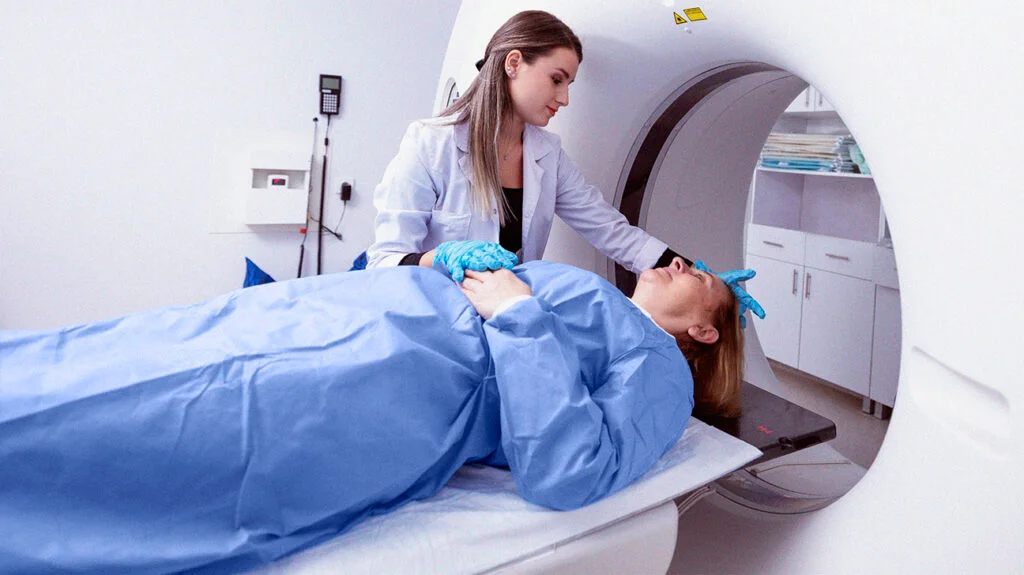
  • Low Dose CT Screening in High Risk Individuals Catches Lung Cancer at Its Most Curable Stage: Annual LDCT screening in heavy smokers over 50 has been shown to reduce lung cancer mortality by 20% precisely because it finds disease at Stage 1 before any symptom appears to prompt investigation.Most early lung cancers are silent and do not produce warning signs.Screening shifts diagnosis from late stage disease to potentially curable early stage cancer.

Why Does Lung Cancer So Rarely Get Found Early Enough?

This is the part of the lung cancer story that doesn’t get told honestly enough. And not understanding it is exactly what keeps the late stage diagnosis rate so devastatingly high.

  • The Lungs Have No Pain Receptors That Signal Early Tumour Growth: A tumour can grow to a significant size inside the lung without causing any discomfort whatsoever because lung tissue itself doesn’t generate pain signals the way most other organs do.
  • Early Lung Cancer Symptoms Mimic Conditions Everyone Has at Some Point: A persistent cough, mild breathlessness and slight fatigue are symptoms that every smoker and every person over 50 has explained away as something ordinary at some point in their life.
  • Most People Don’t Get Lung Imaging Until Symptoms Are Already Serious: Unlike breast or cervical cancer there’s no widespread routine screening programme in India currently meaning lung cancer gets imaged only after symptoms emerge which is almost always already too late for the earliest stage window.
  • Smoking History Creates a False Reassurance Effect in the Wrong Direction: Many smokers tell themselves they already know their lungs are probably damaged and therefore avoid screening because they’d rather not confirm what they fear making the cancer that screening could catch grow completely undisturbed.

Why Choose Dr. Sandeep Nayak for Cancer Treatment in Bangalore?

Dr. Sandeep Nayak has spent over 24 years treating lung and thoracic cancers using minimally invasive Video Assisted Thoracoscopic Surgery and robotic techniques that give patients significantly better recovery and outcomes than conventional open chest surgery. As one of the most trusted cancer specialists in Bangalore he evaluates every lung cancer case for surgical curability before any other treatment pathway is discussed because surgery remains the most powerful curative tool available for early stage disease. He performs complete oncological resections with lymph node mapping that gives patients the best possible chance of achieving the cancer free status that makes the word cure genuinely applicable to their specific situation.

Frequently Asked Questions

Is lung cancer curable without surgery through radiation or chemotherapy alone?

In selected early stage cases stereotactic body radiation therapy offers a non-surgical curative option but surgery remains the gold standard for achieving complete cure in eligible patients.

Does the type of lung cancer affect whether it can be cured?

 Yes, non-small cell lung cancer is significantly more curable surgically than small cell lung cancer which spreads earlier and responds better to chemotherapy and radiation than to surgery.

Who should actually be getting screened for lung cancer regularly?

Current smokers and former smokers over 50 with a significant smoking history should discuss annual low dose CT screening with a specialist as it genuinely saves lives.

Can lung cancer come back after successful surgical treatment?

Yes, recurrence is possible which is why regular follow up CT scans and clinical review every six months for the first two years after surgery are absolutely non-negotiable parts of care.

Reference links:

Can Cancer Be Cured?

Can Cancer Be Cured?

Yes. Some cancers can be completely cured. Not managed. Not controlled. Actually cured. That’s a sentence worth sitting with because most people walking into an oncology clinic for the first time don’t believe it yet. Cancer has become so synonymous with suffering and loss that the word cure feels almost dishonest. But it isn’t. For certain cancers caught at certain stages, it’s simply the truth.

According to Dr. Sandeep Nayak, cancer specialist in Bangalore, “The word cure is one I use carefully, but I do use it, and for early-stage cancers I use it with genuine confidence behind it.”

Which Cancers Are Genuinely Curable and When?

Not every cancer. Not at every stage. But more than most people, sitting with a new diagnosis has led to believe. Here’s what the evidence actually shows.

  • Thyroid Cancer Has a Cure Rate That Surprises Almost Everyone Who Hears It: Stage 1 papillary thyroid cancer has a five-year survival rate of 99.9%, making it one of the most successfully treated cancers in the entire field of oncology worldwide.
  • Early Stage Breast Cancer Is Highly Curable With the Right Treatment Approach: Stage 1 breast cancer treated with surgery and appropriate adjuvant therapy achieves cure rates above 90% in most patient populations across published clinical data.
  • Colorectal Cancer Caught Before It Spreads Is Completely Surgically Removable: Stage 1 colorectal cancer treated with minimally invasive surgical resection has cure rates consistently above 90%, making regular screening one of the most powerful life saving tools available.

Testicular Cancer Remains One of the Most Curable Cancers at Almost Any Stage: Even metastatic testicular cancer responds so well to chemotherapy that cure rates remain above 95% in most cases, making it uniquely exceptional among all advanced stage cancers.

What Makes the Difference Between a Curable and an Incurable Cancer?

This is the question underneath the question. Because what people really want to know isn’t whether cancer can be cured in general. They want to know about their cancer. Their stage. Their situation. Here’s what actually determines curability.

  • Stage at Diagnosis Is the Single Most Powerful Factor in Determining Curability: Stage 1 cancers are almost always more curable than Stage 4 cancers regardless of type because the cancer hasn’t yet had the opportunity to spread beyond its original location.
  • Cancer Type Determines How It Behaves and Responds to Available Treatment: Thyroid and testicular cancers are highly curable even at advanced stages while pancreatic cancer remains difficult to cure even when caught early making the type itself a critical variable.
  • Molecular Profile Increasingly Determines Which Targeted Therapies Will Actually Work: Modern cancer treatment has moved beyond one size fits all chemotherapy into molecular profiling that identifies specific mutations treatable with drugs that produce dramatically better outcomes than anything available before.
  • Access to Specialist Surgical and Oncological Expertise Changes Real World Outcomes: The same cancer at the same stage treated by a high volume specialist surgical oncologist produces measurably better results than when treated in lower volume non-specialist settings and that difference is consistently documented in outcomes data.

To understand how cancer progression timelines can vary from Stage 1 to Stage 4, read our detailed blog on Stage 1 to Stage 4 Cancer

Why Choose Dr. Sandeep Nayak for Cancer Treatment in Bangalore?

Dr. Sandeep Nayak has spent more than 24 years pursuing a cure as the primary goal in every cancer case where the biology makes it genuinely achievable. As one of the most trusted cancer specialists in Bangalore, he brings robotic and laparoscopic surgical precision to thyroid, colorectal, gastric, and complex gastrointestinal cancers, where complete surgical removal remains the single most powerful path to cure. He performs RABIT scarless robotic thyroid surgery, MIND and RIA-MIND neck dissection procedures, and minimally invasive cancer resections that give patients the best possible oncological outcome with the least possible surgical impact on their lives. Every patient gets an honest conversation about what a cure looks like for their specific cancer and a treatment plan built entirely around achieving it.

Frequently Asked Questions

Does being told cancer is curable mean it will definitely never come back?

 Not always, since some cured cancers can recur, which is why long-term follow-up monitoring remains essential even after successful cancer treatment is completed.

Is Stage 4 cancer ever genuinely curable, or is management the only realistic goal?

Certain Stage 4 cancers, including testicular cancer and some lymphomas, achieve genuine cure while others are managed long term, but the answer depends entirely on cancer type.

How do doctors define cure in cancer patients specifically?

 Most oncologists consider a patient cured when they remain cancer free for five years after treatment though some cancer types require longer disease free periods before cure is confirmed.

Does early detection genuinely change whether a cancer can be cured?

Absolutely yes. Early stage detection dramatically increases curability across almost every cancer type making regular screening the single most impactful cancer prevention decision you can make.

Reference links: