support@macsclinic.com
+91 9482202240
Do wireless devices cause cancer?

Do wireless devices cause cancer?

The idea that wireless devices cause cancer is a popular one, with many people believing that the risk of cancer is being increased because of the number of devices that we have in our lives. However, scientists have found no evidence to support this. The World Health Organization released a statement saying that there is no conclusive evidence to link cancer and EMFs from wireless devices.

Dr. Sandeep Nayak is one of the leading oncologist in Bangalore. You can consult with him if you are facing some health discomfort through your wireless devices. He can guide you with all the treatments regarding this.

What is the specific exposure to EMFs(Electric and magnetic fields)?

EMFsThere are many possible sources of electromagnetic fields, including talking on a mobile phone while driving, using a cordless phone in the home or office, and sleeping near a baby monitor. A large number of studies have been done to try and measure the different types of EMFs, but so far there is no definite connection between them and cancer.

What are the effects of exposure to EMFs?

The risks of EMF are still being debated. On one side, some people think that the risk is too high for people to be exposed to EMFs without warning labels or any restrictions on use. Other people believe that EMF can’t cause cancer because the energy is too weak and there’s not enough evidence of it causing cancer.

Symptoms of EMF exposure.

The precise and accurate impacts of EMF exposure on human health have yet to be discovered. In the coming years, research may provide us with more information.

Some studies link EMF exposure to a variety of ailments, although researchers agree that additional research is needed. Many of the studies rely on animal or cell models, which are unreliable when used in human health research.

Some of these symptoms have also been linked to electromagnetic hypersensitivity (EHS), a condition in which people attribute a variety of non-specific symptoms to EMF exposure.

Although people do experience symptoms that are sometimes uncomfortable and even disabling, the medical field has not confirmed EHS.

There is currently no reputable evidence linking EHS symptoms to EMF exposure, and EHS is not considered a medical diagnosis. More research, according to the medical community, is required.

Nonetheless, some evidence suggests that EMF symptomatology may be true. Some researchers have suggested the following symptoms:

  • You can experience sleep disturbance or you can also have insomnia. 
  • Mild or excessive headaches 
  • You can grow depressive symptoms or can get depression.
  • Fatigue or tiredness. 
  • Dysesthesia is often an itchy sensation or sometimes painful. 
  • You can get a lack of concentration. 
  • Loss of appetite or weight loss.
  • Dizziness.

If you are getting any of this symptoms you can consult with Dr. Sandeep Nayak who is one of the renowned and best cancer specialists in Bangalore. With his years of expertise in oncology he can give you the best guidance with the treatment. 

How do wireless devices cause cancer?

Although a lot of studies have been conducted, there is still no conclusive evidence that says that wireless devices cause cancer. However, the majority of the studies were done with animals and not humans. The International Agency for Research on Cancer (IARC) has warned about the dangers of these devices in regards to long-term exposure.

What you can do to limit exposure and protect yourself and your family

It is still too early to know for sure. There is no strong evidence that wireless devices cause cancer, but it’s important to take precautions until we have a better understanding of the potential effects of radiofrequency energy. The most important thing you can do to limit your exposure and protect yourself and your family is to reduce the time spent using a device before going on to the next one. It’s also a good idea not to carry your phone in your pocket or near your body if it’s sending or receiving data from the network.

Conclusion

There is no conclusive evidence that wireless devices cause cancer and some studies have yielded opposite results. Hopefully, in the future, we will have more information on whether or not WiFi emits harmful levels of EMF radiation.

Tips To Reduce Your Risk Of Colorectal Cancer

Tips To Reduce Your Risk Of Colorectal Cancer

Everyone knows that maintaining a healthy weight is essential for their heart and overall health. But did you know that a healthy weight can also lower your risk of certain cancers? You can increase your chances of beating colorectal cancer by reducing your risk of getting it.

Dr. Sandeep Nayak, an eminent surgical oncologist in India, says that reducing your risk of developing colorectal cancer begins with better gut health. Living a healthy lifestyle is one of the best things you can do to prevent colorectal cancer.

Read on and learn tips to reduce the risk of getting colorectal cancer.

What is colorectal cancer (CRC)?

Colorectal cancer occurs when the healthy cells in your colon or rectal lining change and start to grow out of control, resulting in a tumor. Tumors can be malignant (cancerous) and spread to other areas of your body or benign (non–cancerous), which means they can grow but not spread. It usually takes years for these changes to manifest.

CRC is the 3rd highest cause of cancer-related deaths in men and women globally and affects more than 5.20 million people worldwide (5-year prevalence), which is only lower than breast cancer, affecting over 7.70 million people.

Although there are several healthy lifestyle choices you can make, certain behaviors are known to be more effective than others in reducing your risk of colorectal cancer.

Maintain a healthy weight

Obese people are about 30% more likely than normal-weight people to get colorectal cancer. A higher BMI is linked to an increased risk of colon and rectal cancer in both genders, but the chances are greater in men.

Be Active

Inactivity can increase your risk of colorectal cancer by as much as 28 %. That is because inactivity is associated with a higher risk of obesity, increasing your risk of colorectal cancer. If you want to lower your risk of developing colorectal cancer, it is crucial that you make exercise a part of your routine.

Limit Red Meat

Red meat is one of the highest-risk foods for colorectal cancer. A study in the Journal of Nutrition shows that men who ate red meat more than twice a week had a 62 % higher risk of developing colorectal cancer than those who ate red meat less than once a week. 

This supports other studies showing that eating red meat may increase your risk for colorectal cancer by 50 %. 

If you are worried about your health and want to lower your risk for colorectal cancer, limit your intake of red meat. 

Limit Processed Foods

Processed foods are not always healthy. Processed foods contain many unhealthy ingredients that cause inflammation, which can lead to colorectal cancer. The most common processed foods are sugar-sweetened sodas and desserts, salty snacks, fast food, and refined grains.

You could also try cutting out processed meats from your diet and replacing them with plant-based proteins like tofu, beans, or nuts.

Processed meats are the ones that are smoked, cured, salted, or chemically preserved, such as bacon, hot dogs, bologna, ham, and packed lunchmeat.

Keep Up With Your Fruits and Veggies

FRUITSThere is no better way to lower your risk of developing colorectal cancer than by increasing your fruit and vegetable intake. Studies show that people who eat more fruits and vegetables have lower rates of colon cancer.

Eating fruits and vegetables rich in fiber can lower your risk for colorectal cancer by up to 40%. Fiber helps ensure that waste stays in your gut and keeps things moving along nicely while also helping reduce inflammation in the intestines. Increasing your intake of fruits and vegetables can help improve digestion and prevent constipation or diarrhea.

Dr. Sandeep Nayak, among the leading cancer specialists in Bangalore, adds that colorful fruits and veggies contain phytochemicals, natural substances that may aid in blocking the growth of cancer cells.

Make Time for Relaxation

The American Cancer Society recommends making time for relaxation and not just exercising. Taking the time to relax can help you lower stress and lower your risk of developing colorectal cancer. 

Meditation is a great way to relax. You can also try yoga or deep breathing for a few minutes throughout the day.

Quit Smoking

Consider quitting if you smoke more than a pack a day or have other health risks like heart disease, diabetes, or high cholesterol. 

Just 1 cigarette a day increases your risk of colorectal cancer by 5 %. 

If you quit smoking, it can reduce your risk of getting colorectal cancer by at least 50 %.

Reduce Your Alcohol Consumption

Regular, heavy alcohol consumption can harm your liver, causing inflammation and scarring, and may contribute to the increased risk of liver cancer. 

A drink once in a while does not appear to increase your risk of colon cancer. However, if you are a moderate to heavy drinker (2 – 3 glasses per day), you can increase the odds of getting it by 20%, and excessive drinking can increase your risk by 40%. 

If you drink more than 3 drinks per day regularly, speak with Dr. Sandeep Nayak, an acclaimed surgical oncologist in India, about getting screened for colorectal cancer.

Optimize your calcium and vitamin D Levels

The majority of research concur that dairy products, which are rich in calcium, reduce the risk of adenomas (colon growths) and colorectal cancer. Calcium supplements could also be beneficial. Consult your doctor to see what options are available to you.

Vitamin D is a fat-soluble vitamin essential for calcium absorption and bone health. Research suggests that it can also lower your risk of colorectal cancer. For optimal Vitamin D levels, make sure you are getting exposure to natural sunlight on your skin and take a supplement when necessary.

Conclusion

Your health comes first. If you have colorectal cancer, the earlier it is detected, the better your chances of survival are. Early detection also increases your chances of a cure and lowers the risk of spreading cancer to other parts of your body. 

If you are struggling with weight or do not feel like you are giving your body enough love, now is the time to make a change! Do not let colorectal cancer become one of your life’s regrets. The earlier that colorectal cancer is diagnosed, the easier it will be to beat.

Stop postponing that critical visit to a health professional. Schedule an appointment with Dr. Sandeep Nayak, a top-notch cancer specialist in Bangalore, to assess your condition and start the best suitable treatment.

Is ISR Surgery Beneficial for Very Low Rectal Cancer?

Is ISR Surgery Beneficial for Very Low Rectal Cancer?

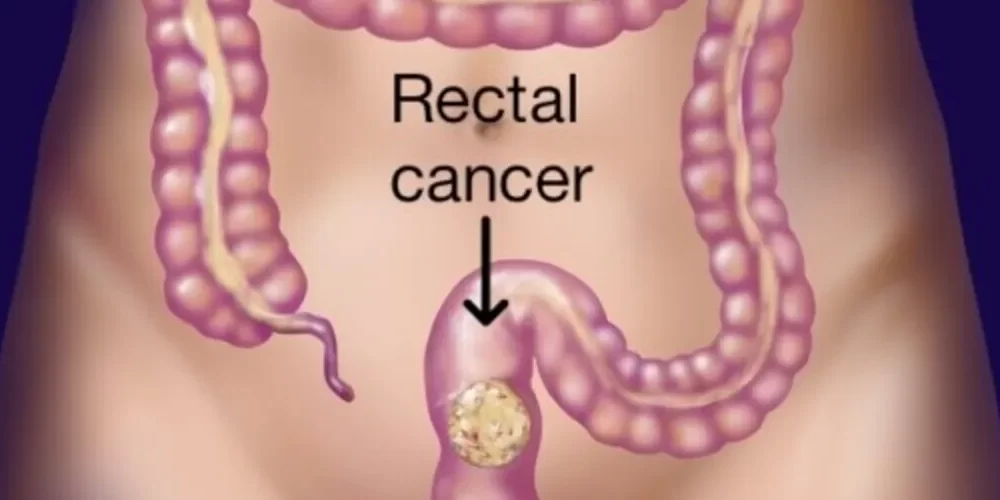
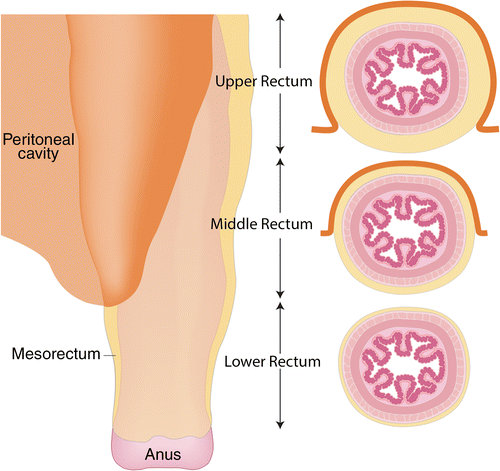
Rectal cancer, the second leading cause of cancer deaths, develops in the rectum that connects the colon and the anus. Low rectal cancers are challenging to treat due to limited access and visibility.

“Nowadays, things are changing with innovative surgical techniques like Intersphincteric resection (ISR) surgery. This procedure is used to treat rectal cancer located very low in the rectum, near the anus,” says Dr. Sandeep Nayak, a surgical oncologist in India, who is the Chairman – Oncology Services, Karnataka, India and Executive Director – Surgical Oncology and Robotic Surgery, KIMS Hospital, Bangalore

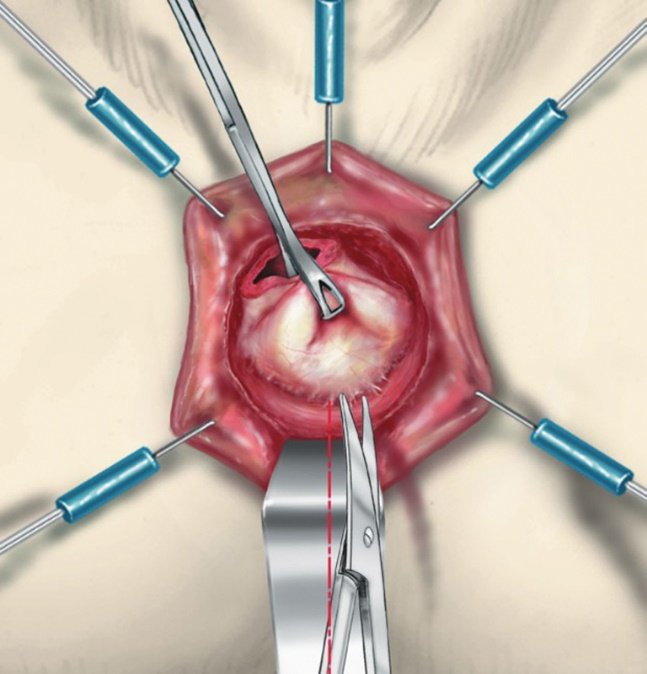
Image Source: https://pubs.rsna.org/doi/full/10.1148/rg.2019180114

MRI of Rectal Cancer: Tumor Staging, Imaging Techniques, and Management |  RadioGraphics

“ISR rectal cancer surgery is generally considered a safe and effective treatment option, as it allows the surgeon to remove the cancerous tissue while preserving the function of the anus and the sphincter muscles that control bowel movements,” he further explains.

Low rectal cancer is located within 6 cm of the anal verge. Treating this type of cancer is difficult due to its position and requires careful assessment and discussion.

Now, surgeons replace APR with ISR surgery, a procedure that keeps the sphincter intact and lowers the likelihood of permanent colostomy. ISR coupled with neoadjuvant therapy is becoming more and more accepted for low rectal cancer.

Dr. Sandeep Nayak is an expert in laparoscopic and robotic surgery. He has performed for than 300 low anterior resection rectal cancer surgery using ISR. He is also the Founder of MACS Clinic, an exclusive centre for advanced cancer surgery.

How is ISR beneficial for very low rectal cancer?

There are several benefits to ISR surgery for very low rectal cancer

  • Preservation of anal function: ISR surgery is designed to remove the cancerous tissue while preserving the function of the anus and the sphincter muscles. This can help to reduce the risk of incontinence and other complications that can occur after surgery.
  • Allows shorter hospital stay: Depending on the specifics of the case, ISR may be associated with a shorter hospital stay compared to other surgical approaches.
  • Better cosmetic results: As ISR rectal cancer surgery is a less invasive surgical option, it can result in better cosmetic results and a faster recovery.
  • Improved quality of life: By preserving the function of the anus and the sphincter muscles, ISR surgery can help to improve the patient’s quality of life. 

Overall, ISR surgery is generally considered to be a safe and effective treatment option fro very low rectal cancer.

It is important to discuss the potential risks and benefits of ISR surgery with an expert surgical oncologist to determine the best treatment plan for your specific situation.

“ISR surgery is not a suitable treatment option for all people with very low rectal cancer,’ explains Dr. Sandeep Nayak, a highly experienced surgical oncologist in India. “The decision to proceed with ISR will depend on a variety of factors, including the size and stage of cancer, the overall health of the patient, and the surgeon’s preference. A thorough evaluation by a colorectal surgeon is necessary to determine the most appropriate treatment plan.”

Types of Intersphincteric Resection

Types of Intersphincteric Resection

Treatment for rectal cancer typically involves surgery to remove the cancerous tissue and chemotherapy and radiation therapy to kill any remaining cancer cells. The type of surgery and other recommended treatments will depend on the stage and location of the cancer and the patient’s overall health.

ISR surgery helps preserve the anus in around 90 percent of patients with low rectal cancer, thereby avoiding a permanent stoma.

There are different types of ISR surgery, such as:

Total ISR – 

This procedure is performed if the tumor has advanced past the dentate line. During this procedure, the internal sphincter is completely removed, leaving the intersphincteric groove as the resection’s distal limit.

Subtotal ISR –

A subtotal ISR is conducted in cases where the tumor’s distal edge is more than 2 cm distant from the dentate line, thereby obtaining the distal resection margin between the dentate line and the intersphincteric groove.

Partial ISR –

 Distal or partial resection is ideally conducted at or above the dentate line if sufficient distal surgical margin is present.

Outlook

Image Source: https://europepmc.org/article/med/29184472

Intersphincteric Resection Pushing the Envelope for Sphincter Preservation.  - Abstract - Europe PMC

Compared to abdominoperineal resection, intersphincteric resection (ISR) is an ideal anus-sparing treatment option for low rectal cancer. 

Robotic ISR allows excellent vision, efficient traction for careful pelvic dissections, and optimal hemostasis during levator-sphincter dissection. 

Compared to the open surgical approach, the robotic approach efficiently allows for anus-preserving resection in patients with low rectal tumors.

However, to perform this intricate surgery, you need an expert surgical oncologist who has an in-depth understanding of the deep pelvic anatomy and careful patient selection.

If you seek detailed information about ISR low anterior rectal resection, consult a surgical oncologist in India with vast experience in performing this surgery. 

Frequently Asked Questions

When is low anterior resection done?

Low anterior resection (LAR) is a surgical procedure to remove a portion of the rectum. It is typically done to treat cancer or other conditions that affect the lower part of the colon and rectum.

What is R1 resection in rectal cancer?

R1 resection involves removing the rectum’s cancerous portion and a small margin of healthy tissue around it. The goal of the surgery is to remove as much cancer as possible while minimizing the risk of recurrence.

Is surgery always necessary for rectal cancer?

Surgery is often a necessary part of treatment for rectal cancer. The specific type of surgery recommended will depend on the stage and location of cancer, as well as the patient’s overall health and preferences.

What is low rectal carcinoma?

Rectal carcinoma is a type of cancer that affects the rectum, which is the final portion of the large intestine that connects the colon to the anus. Low rectal carcinoma refers to cancer located in the lower part of the rectum, closer to the anus.

What Is Testicular Cancer?

What Is Testicular Cancer?

Image Source: https://advancedurology.com/advanced-blogging/testicular-cancer-facts-you-should-know/

Testicular cancer affects the testes. While it only accounts for 1% of all malignancies, it is the most common among men aged 20 to 34. Dr. Sandeep Nayak, Consultant Surgical oncologist, MACS Clinic, Jayanagar, Bangalore & the Chairman – Oncology Services, Karnataka, India and Executive Director – Surgical Oncology and Robotic Surgery, KIMS Hospital, Bangalore, he says, “The risk is great, but the chance of survival is much higher. Over 90% of testicular cancer patients can be treated successfully.”

He further states, “Self-examination is very crucial in detecting testicular cancer early on. The most appropriate time is after your bath when you are relaxed. Gently feel the testes and adjacent structures with your finger and thumb, checking for any lumps.”

The most common symptom is a lump that develops on one of the testicles. Although the lump is generally painless, some persons experience pain or discomfort from the afflicted testis.

The majority of scrotal swellings and bumps are not cancerous. There are a number of different reasons for this. Dr. Sandeep Nayak, an experienced cancer specialist in Bangalore, explains, “If you see swelling or lump in one of your testicles, you should always consult a doctor. You should get it checked out right away.”

He has treated countless patients in his career and has pioneered several innovative surgical techniques that give the patients a better chance of survival and leading a quality life.

Now let us understand the symptoms you need to look out for to detect cancer early on:

  • Testicular enlargement
  • Testicular discomfort or pain
  • An ache in the back or lower abdominal 
  • Breast tissue enlargement

If you have any of these symptoms, make an appointment with your doctor.

Who are at risk of testicular cancer?

The following factors can raise your chances of developing testicular cancer:

  • Having a history of the disease in one’s family
  • Abnormal testicular development 
  • Having cryptorchidism (undescended testicle).
How is testicular cancer diagnosed?

Your doctor may use the following tests to diagnose testicular cancer:

  • A physical examination that can identify any abnormalities in the testicles, such as tumors or swelling
  • Tumor marker blood tests can reveal high levels of chemicals linked to testicular cancer, such as alpha-fetoprotein or beta-human chorionic gonadotropin.
  • An ultrasound to evaluate the testicles’ internal structure

If your doctor detects cancer, your testicle may need to be removed entirely in order to collect a tissue sample. They cannot do it while your testicle is still in the scrotum because it risks spreading cancer through the scrotum.

They will perform abdominal, and pelvic CT scans following the diagnosis to detect if cancer has spread to other parts of the body. It’s called staging.

Testicular cancer treatment

There are basically three categories of treatment for testicular cancer. Your doctor may treat you with one or more alternatives depending on the stage of your cancer. 

Surgery

Dr. Sandeep Nayak, a leading surgical oncologist in India, says, “Surgery is the first line of treatment for testicular cancer.” Orchiectomy, retroperitoneal lymph node dissection, or testis-sparing surgery (TSS) are surgical alternatives for treating it. These procedures can be done laparoscopically or robotically.

Radiation

High-energy rays are used in radiation therapy to eliminate cancer cells. The doctor can either give it internally or externally.

Dr Nisha Vishnu, Consultant Radiation oncologist, MACS Clinic, Jayanagar, Bangalore & Fortis Cancer Institute, Bangalore says, “External radiation is delivered by directing the radiation beam toward the tumor tissues from the outside. This method is frequently effective in the treatment of seminomas.”

Chemotherapy 

Dr Suresh Babu, Consultant Medical oncologist, MACS Clinic, Jayanagar, Bangalore & Fortis Cancer Institute, Bangalore says, “Chemotherapy uses drugs to kill cancer cells. It’s a systemic treatment that can eliminate cancer cells spread throughout your body. Chemotherapy is very useful in testicular cancer and can cure many of them.” 

A stem cell transplant may follow high-dose chemotherapy in severely advanced cases of testicular cancer.

Outlook

Testicular cancer treatment is often successful. You can expect to be cured if your testicular cancer is detected and treated early. Fortunately, the majority of testicular malignancies are caught early on.

There is still a good chance of a cure even if cancer has spread to other places of the body. It is because testicular cancer cells generally respond effectively to chemotherapy.

7 Potential Warning Signs of Stomach Cancer

7 Potential Warning Signs of Stomach Cancer

Even though we all suffer stomach aches now and then, pain isn’t usually an early sign of stomach cancer. So, instead, what should you be on the alert for? Here’s what you need to know about stomach cancer.

Stomach cancer is medically known as gastric cancer. Cancer can create a tumor or ulcer within the stomach or spread widely throughout the entire wall. 

Stomach cancer is most common in adults between the ages of 50 and 70. Men are more likely to have it. Surgery, radiation, and chemotherapy are all options for treating gastrointestinal malignancies.

Dr. Sandeep Nayak, a renowned surgical oncologist in India, provides advanced and effective stomach cancer treatment says  “The type and stage of cancer and the patient’s age, overall health, and preferences influence gastrointestinal (GI) cancer treatment options.”

Stomach cancer can be successfully treated in its early stages. Hence, the early warning signs of stomach cancer should not be overlooked.

Early signs and symptoms are usually ignored.

Early indications of stomach cancer are often so common that they go unnoticed.

Stomach cancer is one of those problematic diagnoses where most people may have experienced symptoms in the past. Even so, they are typically subtle symptoms that can be mistaken for a variety of other benign gastrointestinal (GI) conditions.

Some of these early symptoms include:

  • Bloating.
  • Heartburn.
  • Nausea.
  • Feeling of discomfort after eating food

Because these symptoms are commonly ignored as normal GI concerns — which are for most individuals — stomach cancer is generally discovered in advanced stages when it is ultimately identified.

Warning Signs to Look Out For

According to Dr. Sandeep Nayak, an experienced cancer specialist in Bangalore, India, potential warning signs of stomach cancer include:

1. You lose weight abruptly, and your appetite decreases.

People stop feeling hungry and, as a result, begin to lose weight without even trying. That is most likely the most alarming symptom.

2. You are worn out.

This could result from a slow blood loss, indicating malignancy, combined with a sudden weight loss. Anemia, or a low red blood cell count, can result from blood loss, which is most likely the cause of your fatigue.

3. Your feces or vomit contains blood. 

This is a rare occurrence, but it can occur if you lose a lot of blood.

4. Even if you have only eaten a small bit, you feel full.

5. You have noticed a shift in your bowel movements. 

Perhaps you have been suffering persistent bouts of diarrhea or constipation.

6. Symptoms of gastrointestinal discomfort that do not go away.

For example, you have had nausea or abdominal discomfort for more than a couple of days.

7. You are having GI symptoms you have never had before.

For example, reflux – a condition in which the contents of your stomach go up into your oesophagus. These are all indicators that you should see your primary care physician to evaluate if you require additional testing.

The majority of the time, these symptoms are caused by something else, but it’s best to get them checked out so you can seek treatment as soon as possible if you do.

Now, let’s know,

What are the elements that put you at risk for stomach cancer?

Apart from H. pylori, several other factors can raise your risk of stomach cancer, including:

  • Smoking.
  • Being a man.
  • Age is a factor (your risk increases as you get older).
  • Obesity.
  • Past surgery for stomach ulcers.
  • Certain genetic conditions.
  • A diet containing smoked foods, salted seafood, and red meats.
  • Family history.

How can you reduce your risk?

We consume a lot of processed and unhealthy food, which contributes to our mild symptoms. We need to return to a more natural, plant-based diet. 

There’s no denying that the evidence supports a diet high in fresh vegetables, low in fruit, and low in meat, mainly processed meat. 

Avoiding these toxic foods lowers a person’s risk of developing cancer and the stomach symptoms that come with consuming them.

Conclusion

Don’t be alarmed if your gastrointestinal system appears to be acting strangely.

Most of the time, GI symptoms are caused by benign reasons rather than stomach cancer. Our digestive processes can be highly temperamental at times.

Call Now Button