
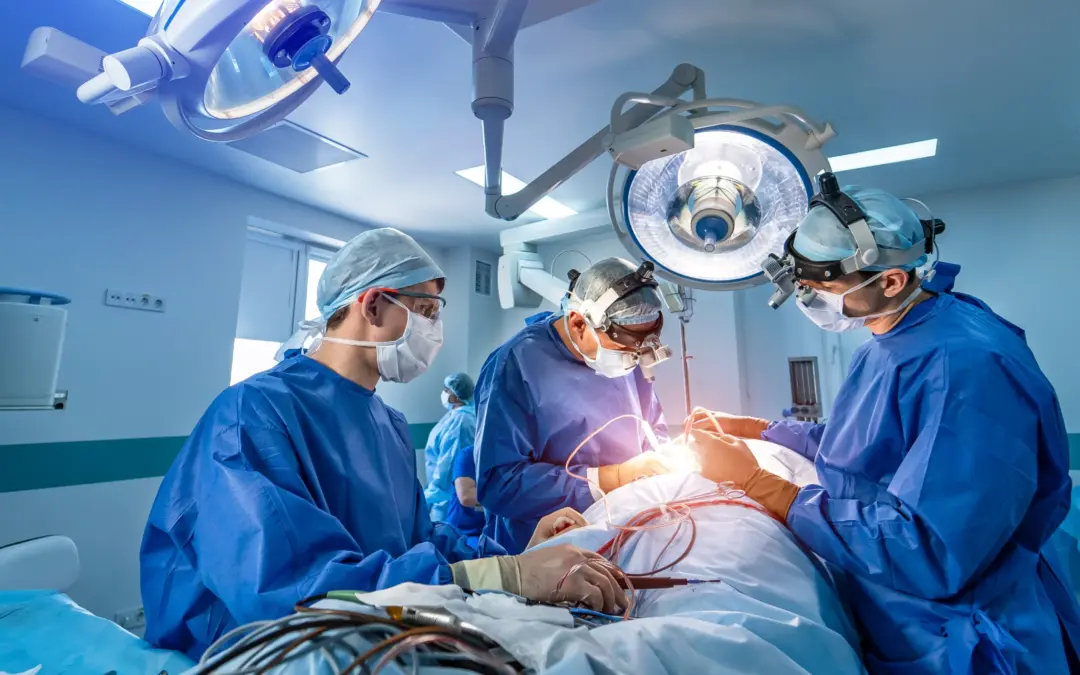
Two different specialists with two completely different roles. A surgical oncologist operates to remove tumours. A medical oncologist prescribes chemotherapy, targeted therapy and immunotherapy. Most cancer patients need both at some point and who sees you first depends on the cancer type, how advanced it is and what the tumour board decides should happen before anything else.
According to Prof. Dr. Sandeep Nayak, Surgical Oncologist in India, “patients often arrive not knowing which specialist is running their care and the honest answer is that both are involved the question is who goes first and why, not which one matters more.”
Not sure which specialist you should be seeing first for your cancer?
What Does Each Specialist Actually Do?
The roles are clinically distinct even though both carry the oncologist title. Here is a clear breakdown.
|
Surgical Oncologist |
Medical Oncologist |
|
|
Primary Role |
Operates to remove tumours |
Prescribes chemotherapy and systemic drugs |
|
Tools Used |
Surgery, biopsy, nodal staging |
Chemotherapy, targeted therapy, immunotherapy |
|
Sees Patient First When |
Tumour is operable at diagnosis |
Cancer is advanced or needs chemotherapy first |
|
Manages |
Operative decisions and surgical complications |
Systemic treatment and drug sequencing |
|
Works With |
Pathologist, radiologist, medical oncologist |
Radiation oncologist, surgical oncologist |
- Operable Cancers See Surgery First: When a tumour appears directly resectable at diagnosis the surgical oncologist typically sees the patient first and for early breast cancer treatment this means a surgical assessment before chemotherapy enters the conversation at all.
- Advanced Cancers See Medical Oncology First: Locally advanced or metastatic presentations often go to the medical oncologist first because systemic treatment needs to run before surgery becomes technically possible or clinically appropriate for that specific patient.
- Neither Overrides the Other: Both contribute to the same tumour board discussion before any treatment plan is confirmed and the patient is told clearly which specialist is leading which phase of their treatment.
- Both Are Always Involved: Even when surgery comes first, the medical oncologist is already planning what adjuvant treatment follows and when the surgical team will be needed again if disease recurs or restaging changes the plan.
The sequence is decided by the tumour board based on the clinical picture rather than by either specialist acting independently.
How Do They Work Together Across a Full Treatment Course?
The collaboration between surgical and medical oncology isn’t a one-time referral it happens repeatedly throughout a full cancer treatment course.
- Before Surgery in Locally Advanced Cases: The medical oncologist runs neoadjuvant chemotherapy first to shrink the tumour before the surgical team operates while surgical input on the operative plan runs in parallel from the start of the treatment discussion.
- After Surgery for Adjuvant Planning: Once pathology confirms margin and nodal status the medical oncologist plans adjuvant chemotherapy using the staging information that robotic cancer surgery or conventional surgery provides from the specimen.
- Tumour Board Keeps Both Aligned: High-volume cancer centres hold weekly tumour board meetings where both specialists review the same case simultaneously and agree on the sequence before either starts treatment rather than working from separate referral letters.
- When Surgery Isn’t the Plan: Some cancers are managed entirely without surgery in which case the medical oncologist leads throughout while the surgical oncologist’s assessment of operability after systemic response remains part of the ongoing clinical conversation.
The two roles run in parallel rather than in sequence and for more on what cancer surgery involves within this framework, our blog on cancer surgery covers this in detail.
Why Choose Dr. Sandeep Nayak for Breast Cancer Treatment?
Dr. Sandeep Nayak brings 24 years of surgical oncology experience, DNB qualifications in Surgical Oncology and General Surgery and a fellowship in Laparoscopic and Robotic Onco-Surgery to cancer cases requiring coordinated surgical and medical oncology input across all cancer types. He heads Oncology Services across Karnataka and leads cancer surgery at KIMS Hospital, Bangalore, with originator credits for RABIT, MIND and L-VEIL techniques and over 25 published clinical studies. Patients wanting clarity on who they should see first and in what order are assessed here with every decision going through full tumour board review. Call +91 8104310753 to book your consultation.
Frequently Asked Questions
Does every cancer patient need both a surgical and medical oncologist?
Most solid tumour patients need input from both at different points though some cancers are managed without surgery and some with surgery alone.
Who decides which oncologist sees the patient first?
The tumour board or referring specialist makes this decision based on cancer type, stage and whether the tumour is operable at diagnosis.
Can a surgical oncologist prescribe chemotherapy?
Surgical oncologists don’t prescribe chemotherapy as that responsibility sits entirely with the medical oncologist who manages all systemic treatments.
Is one specialist more important than the other in cancer care?
Both are essential with the surgical oncologist removing disease and staging it while the medical oncologist addresses what surgery cannot reach through systemic treatment.
Reference Links-
- National Cancer Institute — Cancer Treatment Team
- National Institutes of Health — Surgical vs Medical Oncology
- Disclaimer: The information shared in this content is for educational purposes and not for promotional use.
